Buy université.be ?
We are moving the project
université.be .
Are you interested in purchasing the domain
université.be ?
domain@kv-gmbh.de · 0541-91531010
Buy université.be ?
Is it worth learning trigonometry?
Yes, it is worth learning trigonometry. Trigonometry is a fundamental branch of mathematics that has applications in various fields such as physics, engineering, architecture, and computer graphics. It helps in understanding the relationships between angles and sides of triangles, and it is essential for solving problems involving periodic phenomena and oscillations. Additionally, trigonometry provides a strong foundation for further studies in mathematics and related disciplines. Overall, learning trigonometry can greatly enhance problem-solving skills and open up opportunities in a wide range of careers. **
What is trigonometry?
Trigonometry is a branch of mathematics that deals with the relationships between the sides and angles of triangles. It involves studying the properties and functions of angles, as well as using these relationships to solve for unknown sides or angles in a triangle. Trigonometry is widely used in various fields such as physics, engineering, and astronomy to calculate distances, heights, and angles. It is an essential tool for understanding and solving problems related to triangles and periodic phenomena. **

Similar search terms for Trigonometry
Top-Angebote
Products related to Trigonometry:
-
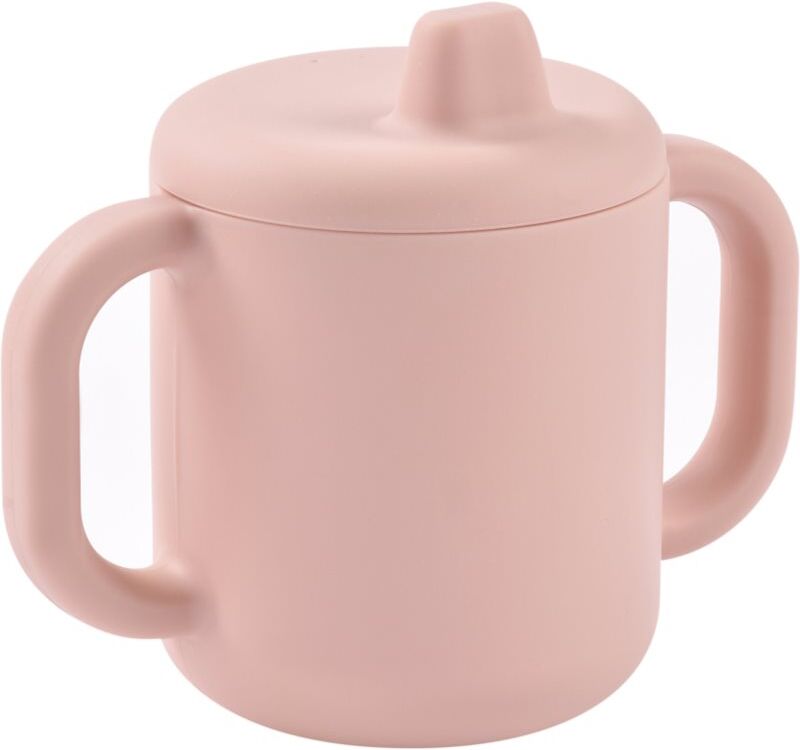
Suavinex Wonderland Learning Cup tasse d’apprentissage Pink 200 mlSuavinex Wonderland Learning Cup, 200 ml, Tasses pour enfants pour enfant, Vous voulez que votre enfant développe la bonne habitude de s’hydrater régulièrement ? La tasse pour enfant Suavinex Wonderland Learning Cup, adaptée aux petites mains des enfants, vous facilitera la tâche. En outre, son design amusant plaire à votre enfant Le produit : lavable au lave-vaisselle bec souple ne se renverse pas format pratique facile à nettoyer les poignées sont parfaitement adaptée aux mains des petits enfants permet de passer facilement et rapidement du biberon à la tasse en silicone doux pour les dents et les gencives des enfants Mode d’emploi : Le système de fermeture à 360° de cette tasse n’est pas anti-gouttes. Dans le cas de cette tasse, si la membrane venait à être trop serrée, elle empêcherait le bébé de boire correctement. Les gouttes qui s’écoulent lorsque la tasse est inclinée sont donc un phénomène normal. Lavable au lave-vaisselle.9,50 €*Shipping: 3,45 €Secure redirect to the provider

-
What is trigonometry and how are triangles used in trigonometry?
Trigonometry is a branch of mathematics that deals with the study of the relationships between the angles and sides of triangles. It involves the use of trigonometric functions such as sine, cosine, and tangent to solve for unknown angles or sides of a triangle. Triangles are used in trigonometry because they provide a simple and fundamental geometric shape to study the relationships between angles and sides. By understanding the properties of triangles and applying trigonometric functions, we can solve various real-world problems involving distances, heights, and angles. **
-
What is trigonometry 116?
Trigonometry 116 is a course that builds upon the fundamental concepts of trigonometry, such as angles, triangles, and trigonometric functions, and delves deeper into more advanced topics. Students in this course typically study topics like trigonometric identities, inverse trigonometric functions, trigonometric equations, and applications of trigonometry in real-world problems. The course aims to provide a more comprehensive understanding of trigonometry and its relevance in various fields such as physics, engineering, and mathematics. **
-
What is trigonometry 105?
Trigonometry 105 is an advanced level course that builds upon the fundamental concepts of trigonometry. It covers more complex topics such as inverse trigonometric functions, trigonometric identities, and applications of trigonometry in real-world problems. Students in Trigonometry 105 will delve deeper into the relationships between angles and sides of triangles, as well as learn advanced techniques for solving trigonometric equations and proving trigonometric identities. Overall, Trigonometry 105 aims to provide a comprehensive understanding of trigonometry and its applications in various fields. **
-
How is trigonometry classified?
Trigonometry is classified as a branch of mathematics that deals with the relationships between the sides and angles of triangles. It is further categorized into two main branches: plane trigonometry, which focuses on two-dimensional triangles, and spherical trigonometry, which deals with triangles on the surface of a sphere. Trigonometry is also divided into various functions such as sine, cosine, and tangent, which are used to calculate unknown sides or angles in a triangle. Overall, trigonometry plays a crucial role in various fields such as physics, engineering, and astronomy. **
What is trigonometry 106?
Trigonometry 106 is an advanced course that builds upon the foundational concepts of trigonometry. It typically covers more complex topics such as inverse trigonometric functions, trigonometric identities, and applications of trigonometry in real-world problems. Students in Trigonometry 106 may also delve into topics like polar coordinates, vectors, and complex numbers as they relate to trigonometric functions. Overall, Trigonometry 106 aims to deepen students' understanding of trigonometry and its applications in various fields. **
What is Trigonometry 103?
Trigonometry 103 is an advanced level course in trigonometry that builds upon the concepts learned in Trigonometry 101 and 102. It covers more complex topics such as advanced trigonometric functions, inverse trigonometric functions, trigonometric identities, and applications of trigonometry in real-world problems. The course may also delve into topics such as trigonometric equations, polar coordinates, and complex numbers. Trigonometry 103 is typically taken by students majoring in mathematics, engineering, or physics, and provides a deeper understanding of trigonometric principles and their applications. **
Top-Angebote
Products related to Trigonometry:
-
Beaba Silicone Learning Cup tasse Pink 170 mlBeaba Silicone Learning Cup, 170 ml, Tasses pour enfants pour enfant, Vous voulez que votre enfant développe la bonne habitude de s’hydrater régulièrement ? La tasse pour enfant Beaba Silicone Learning Cup , adaptée aux petites mains des enfants, vous facilitera la tâche. En outre, son design amusant plaire à votre enfant Le produit : idéal pour voyager lavable au lave-vaisselle bec souple format pratique avec poignées avec une tétine résistante aux morsures facile à nettoyer facile à assembler tasse d’apprentissage les poignées sont parfaitement adaptée aux mains des petits enfants en silicone doux pour les dents et les gencives des enfants Matériaux : sans bisphénol A sans phtalates silicone Mode d’emploi : Lavable au lave-vaisselle.16,90 €*Shipping: 3,45 €Secure redirect to the provider
-
Suavinex Wonderland Learning Cup tasse d’apprentissage Green 200 mlSuavinex Wonderland Learning Cup, 200 ml, Tasses pour enfants pour enfant, Vous voulez que votre enfant développe la bonne habitude de s’hydrater régulièrement ? La tasse pour enfant Suavinex Wonderland Learning Cup, adaptée aux petites mains des enfants, vous facilitera la tâche. En outre, son design amusant plaire à votre enfant Le produit : lavable au lave-vaisselle bec souple ne se renverse pas format pratique facile à nettoyer les poignées sont parfaitement adaptée aux mains des petits enfants permet de passer facilement et rapidement du biberon à la tasse en silicone doux pour les dents et les gencives des enfants Mode d’emploi : Le système de fermeture à 360° de cette tasse n’est pas anti-gouttes. Dans le cas de cette tasse, si la membrane venait à être trop serrée, elle empêcherait le bébé de boire correctement. Les gouttes qui s’écoulent lorsque la tasse est inclinée sont donc un phénomène normal. Lavable au lave-vaisselle.9,50 €*Shipping: 3,45 €Secure redirect to the provider
-
Suavinex Wonderland Learning Cup tasse d’apprentissage Pink 200 mlSuavinex Wonderland Learning Cup, 200 ml, Tasses pour enfants pour enfant, Vous voulez que votre enfant développe la bonne habitude de s’hydrater régulièrement ? La tasse pour enfant Suavinex Wonderland Learning Cup, adaptée aux petites mains des enfants, vous facilitera la tâche. En outre, son design amusant plaire à votre enfant Le produit : lavable au lave-vaisselle bec souple ne se renverse pas format pratique facile à nettoyer les poignées sont parfaitement adaptée aux mains des petits enfants permet de passer facilement et rapidement du biberon à la tasse en silicone doux pour les dents et les gencives des enfants Mode d’emploi : Le système de fermeture à 360° de cette tasse n’est pas anti-gouttes. Dans le cas de cette tasse, si la membrane venait à être trop serrée, elle empêcherait le bébé de boire correctement. Les gouttes qui s’écoulent lorsque la tasse est inclinée sont donc un phénomène normal. Lavable au lave-vaisselle.9,50 €*Shipping: 3,45 €Secure redirect to the provider
-
Is it worth learning trigonometry?
Yes, it is worth learning trigonometry. Trigonometry is a fundamental branch of mathematics that has applications in various fields such as physics, engineering, architecture, and computer graphics. It helps in understanding the relationships between angles and sides of triangles, and it is essential for solving problems involving periodic phenomena and oscillations. Additionally, trigonometry provides a strong foundation for further studies in mathematics and related disciplines. Overall, learning trigonometry can greatly enhance problem-solving skills and open up opportunities in a wide range of careers. **
-
What is trigonometry?
Trigonometry is a branch of mathematics that deals with the relationships between the sides and angles of triangles. It involves studying the properties and functions of angles, as well as using these relationships to solve for unknown sides or angles in a triangle. Trigonometry is widely used in various fields such as physics, engineering, and astronomy to calculate distances, heights, and angles. It is an essential tool for understanding and solving problems related to triangles and periodic phenomena. **
-
What is trigonometry and how are triangles used in trigonometry?
Trigonometry is a branch of mathematics that deals with the study of the relationships between the angles and sides of triangles. It involves the use of trigonometric functions such as sine, cosine, and tangent to solve for unknown angles or sides of a triangle. Triangles are used in trigonometry because they provide a simple and fundamental geometric shape to study the relationships between angles and sides. By understanding the properties of triangles and applying trigonometric functions, we can solve various real-world problems involving distances, heights, and angles. **
-
What is trigonometry 116?
Trigonometry 116 is a course that builds upon the fundamental concepts of trigonometry, such as angles, triangles, and trigonometric functions, and delves deeper into more advanced topics. Students in this course typically study topics like trigonometric identities, inverse trigonometric functions, trigonometric equations, and applications of trigonometry in real-world problems. The course aims to provide a more comprehensive understanding of trigonometry and its relevance in various fields such as physics, engineering, and mathematics. **
Similar search terms for Trigonometry
-
What is trigonometry 105?
Trigonometry 105 is an advanced level course that builds upon the fundamental concepts of trigonometry. It covers more complex topics such as inverse trigonometric functions, trigonometric identities, and applications of trigonometry in real-world problems. Students in Trigonometry 105 will delve deeper into the relationships between angles and sides of triangles, as well as learn advanced techniques for solving trigonometric equations and proving trigonometric identities. Overall, Trigonometry 105 aims to provide a comprehensive understanding of trigonometry and its applications in various fields. **
-
How is trigonometry classified?
Trigonometry is classified as a branch of mathematics that deals with the relationships between the sides and angles of triangles. It is further categorized into two main branches: plane trigonometry, which focuses on two-dimensional triangles, and spherical trigonometry, which deals with triangles on the surface of a sphere. Trigonometry is also divided into various functions such as sine, cosine, and tangent, which are used to calculate unknown sides or angles in a triangle. Overall, trigonometry plays a crucial role in various fields such as physics, engineering, and astronomy. **
-
What is trigonometry 106?
Trigonometry 106 is an advanced course that builds upon the foundational concepts of trigonometry. It typically covers more complex topics such as inverse trigonometric functions, trigonometric identities, and applications of trigonometry in real-world problems. Students in Trigonometry 106 may also delve into topics like polar coordinates, vectors, and complex numbers as they relate to trigonometric functions. Overall, Trigonometry 106 aims to deepen students' understanding of trigonometry and its applications in various fields. **
-
What is Trigonometry 103?
Trigonometry 103 is an advanced level course in trigonometry that builds upon the concepts learned in Trigonometry 101 and 102. It covers more complex topics such as advanced trigonometric functions, inverse trigonometric functions, trigonometric identities, and applications of trigonometry in real-world problems. The course may also delve into topics such as trigonometric equations, polar coordinates, and complex numbers. Trigonometry 103 is typically taken by students majoring in mathematics, engineering, or physics, and provides a deeper understanding of trigonometric principles and their applications. **
* All prices are inclusive of VAT and, if applicable, plus shipping costs. The offer information is based on the details provided by the respective shop and is updated through automated processes. Real-time updates do not occur, so deviations can occur in individual cases. ** Note: Parts of this content were created by AI.