Buy université.be ?
We are moving the project
université.be .
Are you interested in purchasing the domain
université.be ?
domain@kv-gmbh.de · 0541-91531010
Buy université.be ?
On what paper are state treaties printed?
State treaties are typically printed on high-quality, archival paper to ensure their longevity and preservation. This paper is often acid-free and made from natural fibers to prevent deterioration over time. The use of such paper reflects the importance and significance of state treaties as legal and historical documents. **
What were the positions of the Locarno Treaties?
The Locarno Treaties, signed in 1925, aimed to secure post-World War I peace in Europe. The main positions of the treaties were to guarantee the existing borders between France, Belgium, and Germany, and to establish a new eastern border of Germany with Poland. Additionally, the treaties sought to promote mutual understanding and cooperation between the signatory countries, and to create a framework for resolving disputes through peaceful means. The treaties were seen as a significant step towards stabilizing the political situation in Europe and reducing the risk of future conflicts. **

Similar search terms for Treaties
Top-Angebote
Products related to Treaties:
-
Suavinex Wonderland Learning Cup tasse d’apprentissage Green 200 mlSuavinex Wonderland Learning Cup, 200 ml, Tasses pour enfants pour enfant, Vous voulez que votre enfant développe la bonne habitude de s’hydrater régulièrement ? La tasse pour enfant Suavinex Wonderland Learning Cup, adaptée aux petites mains des enfants, vous facilitera la tâche. En outre, son design amusant plaire à votre enfant Le produit : lavable au lave-vaisselle bec souple ne se renverse pas format pratique facile à nettoyer les poignées sont parfaitement adaptée aux mains des petits enfants permet de passer facilement et rapidement du biberon à la tasse en silicone doux pour les dents et les gencives des enfants Mode d’emploi : Le système de fermeture à 360° de cette tasse n’est pas anti-gouttes. Dans le cas de cette tasse, si la membrane venait à être trop serrée, elle empêcherait le bébé de boire correctement. Les gouttes qui s’écoulent lorsque la tasse est inclinée sont donc un phénomène normal. Lavable au lave-vaisselle.9,50 €*Shipping: 3,45 €Secure redirect to the provider
-
Suavinex Wonderland Learning Cup tasse d’apprentissage Pink 200 mlSuavinex Wonderland Learning Cup, 200 ml, Tasses pour enfants pour enfant, Vous voulez que votre enfant développe la bonne habitude de s’hydrater régulièrement ? La tasse pour enfant Suavinex Wonderland Learning Cup, adaptée aux petites mains des enfants, vous facilitera la tâche. En outre, son design amusant plaire à votre enfant Le produit : lavable au lave-vaisselle bec souple ne se renverse pas format pratique facile à nettoyer les poignées sont parfaitement adaptée aux mains des petits enfants permet de passer facilement et rapidement du biberon à la tasse en silicone doux pour les dents et les gencives des enfants Mode d’emploi : Le système de fermeture à 360° de cette tasse n’est pas anti-gouttes. Dans le cas de cette tasse, si la membrane venait à être trop serrée, elle empêcherait le bébé de boire correctement. Les gouttes qui s’écoulent lorsque la tasse est inclinée sont donc un phénomène normal. Lavable au lave-vaisselle.9,50 €*Shipping: 3,45 €Secure redirect to the provider


-
What is the difference between the two state treaties?
The two-state treaties refer to agreements between two sovereign states. The main difference between the two state treaties lies in their scope and subject matter. Bilateral treaties are agreements between two states, while multilateral treaties involve three or more states. Additionally, bilateral treaties tend to focus on specific issues between the two states, such as trade, extradition, or defense, while multilateral treaties address broader issues that affect multiple states, such as human rights, environmental protection, or arms control. **
-
What led to the end of the Locarno Treaties?
The end of the Locarno Treaties can be attributed to several factors. One of the main reasons was the rise of Adolf Hitler and the Nazi party in Germany, which led to a shift in German foreign policy and a desire to revise the terms of the treaties. Additionally, the failure of the international community to effectively respond to German rearmament and expansionist policies further undermined the stability and effectiveness of the treaties. The remilitarization of the Rhineland by Germany in 1936 directly violated the terms of the Locarno Treaties and effectively marked their end. **
-
Why did Hitler only conclude bilateral and not multilateral treaties?
Hitler only concluded bilateral treaties because he wanted to maintain maximum flexibility and control over his foreign policy. By negotiating one-on-one with individual countries, he could tailor the terms of the treaties to best serve his own interests and avoid being constrained by the obligations of multilateral agreements. Additionally, bilateral treaties allowed Hitler to exploit divisions and rivalries among other countries, playing them off against each other to his advantage. This approach also allowed him to pursue his aggressive expansionist goals without having to seek consensus or approval from a larger group of nations. **
-
What are the main provisions of the Treaties of Rapallo and Locarno?
The Treaties of Rapallo, signed in 1922 between Germany and the Soviet Union, established diplomatic and economic relations between the two countries. It also allowed for military cooperation, which helped both countries circumvent the restrictions of the Treaty of Versailles. On the other hand, the Locarno Treaties, signed in 1925, aimed to secure post-World War I territorial settlements in Western Europe. It guaranteed the borders between Germany, France, and Belgium, and promoted a spirit of reconciliation and cooperation in the region. **
In your opinion, are the treaties of the First World War justified?
In my opinion, the treaties of the First World War were not entirely justified. The Treaty of Versailles, in particular, imposed harsh and punitive terms on Germany, which many historians argue contributed to the rise of Adolf Hitler and the outbreak of the Second World War. Additionally, the treaties did not fully address the underlying causes of the war, such as nationalism and imperialism, and failed to establish a lasting peace in Europe. While it was important to hold the aggressor nations accountable for their actions, the treaties ultimately created conditions that led to further conflict rather than promoting long-term stability. **
What are the three most important Ostpolitik treaties of the Brandt government?
The three most important Ostpolitik treaties of the Brandt government were the Treaty of Moscow (1970), the Treaty of Warsaw (1970), and the Four Power Agreement on Berlin (1971). The Treaty of Moscow recognized the Oder-Neisse line as the official border between Germany and Poland, marking a significant step towards reconciliation and normalization of relations between the two countries. The Treaty of Warsaw reaffirmed the border and committed both countries to peaceful coexistence and cooperation. The Four Power Agreement on Berlin helped to ease tensions in the divided city and improve communication and travel between East and West Berlin. These treaties were crucial in fostering a new era of detente and cooperation between East and West Germany and their neighboring countries. **
Top-Angebote
Products related to Treaties:
-
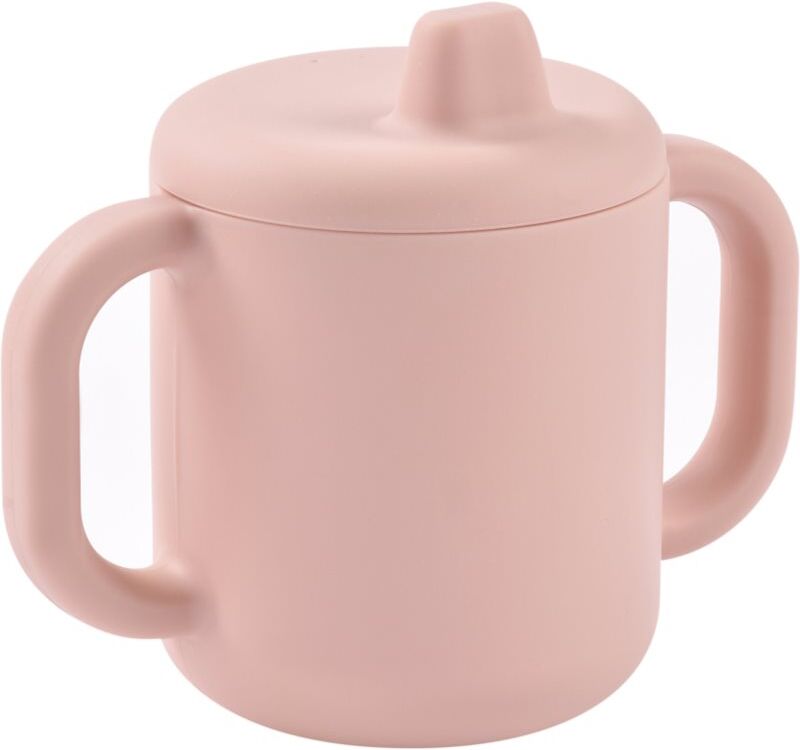
Beaba Silicone Learning Cup tasse Pink 170 mlBeaba Silicone Learning Cup, 170 ml, Tasses pour enfants pour enfant, Vous voulez que votre enfant développe la bonne habitude de s’hydrater régulièrement ? La tasse pour enfant Beaba Silicone Learning Cup , adaptée aux petites mains des enfants, vous facilitera la tâche. En outre, son design amusant plaire à votre enfant Le produit : idéal pour voyager lavable au lave-vaisselle bec souple format pratique avec poignées avec une tétine résistante aux morsures facile à nettoyer facile à assembler tasse d’apprentissage les poignées sont parfaitement adaptée aux mains des petits enfants en silicone doux pour les dents et les gencives des enfants Matériaux : sans bisphénol A sans phtalates silicone Mode d’emploi : Lavable au lave-vaisselle.16,90 €*Shipping: 3,45 €Secure redirect to the provider
-
Suavinex Wonderland Learning Cup tasse d’apprentissage Rose 1 pcsSuavinex Wonderland Learning Cup, 1 pcs, Tasses pour enfants pour enfant, Vous voulez que votre enfant développe la bonne habitude de s’hydrater régulièrement ? La tasse pour enfant Suavinex Wonderland Learning Cup, adaptée aux petites mains des enfants, vous facilitera la tâche. En outre, son design amusant plaire à votre enfant Le produit : ne se renverse pas format pratique idéal pour voyager avec poignées les poignées sont parfaitement adaptée aux mains des petits enfants permet de passer facilement et rapidement du biberon à la tasse bec souple lavable au lave-vaisselle Matériaux : sans bisphénol A Mode d’emploi : Le système de fermeture à 360° de cette tasse n’est pas anti-gouttes. Dans le cas de cette tasse, si la membrane venait à être trop serrée, elle empêcherait le bébé de boire correctement. Les gouttes qui s’écoulent lorsque la tasse est inclinée sont donc un phénomène normal.8,20 €*Shipping: 3,45 €Secure redirect to the provider
-
Suavinex Wonderland Learning Cup tasse d’apprentissage Green 200 mlSuavinex Wonderland Learning Cup, 200 ml, Tasses pour enfants pour enfant, Vous voulez que votre enfant développe la bonne habitude de s’hydrater régulièrement ? La tasse pour enfant Suavinex Wonderland Learning Cup, adaptée aux petites mains des enfants, vous facilitera la tâche. En outre, son design amusant plaire à votre enfant Le produit : lavable au lave-vaisselle bec souple ne se renverse pas format pratique facile à nettoyer les poignées sont parfaitement adaptée aux mains des petits enfants permet de passer facilement et rapidement du biberon à la tasse en silicone doux pour les dents et les gencives des enfants Mode d’emploi : Le système de fermeture à 360° de cette tasse n’est pas anti-gouttes. Dans le cas de cette tasse, si la membrane venait à être trop serrée, elle empêcherait le bébé de boire correctement. Les gouttes qui s’écoulent lorsque la tasse est inclinée sont donc un phénomène normal. Lavable au lave-vaisselle.9,50 €*Shipping: 3,45 €Secure redirect to the provider
-
Suavinex Wonderland Learning Cup tasse d’apprentissage Pink 200 mlSuavinex Wonderland Learning Cup, 200 ml, Tasses pour enfants pour enfant, Vous voulez que votre enfant développe la bonne habitude de s’hydrater régulièrement ? La tasse pour enfant Suavinex Wonderland Learning Cup, adaptée aux petites mains des enfants, vous facilitera la tâche. En outre, son design amusant plaire à votre enfant Le produit : lavable au lave-vaisselle bec souple ne se renverse pas format pratique facile à nettoyer les poignées sont parfaitement adaptée aux mains des petits enfants permet de passer facilement et rapidement du biberon à la tasse en silicone doux pour les dents et les gencives des enfants Mode d’emploi : Le système de fermeture à 360° de cette tasse n’est pas anti-gouttes. Dans le cas de cette tasse, si la membrane venait à être trop serrée, elle empêcherait le bébé de boire correctement. Les gouttes qui s’écoulent lorsque la tasse est inclinée sont donc un phénomène normal. Lavable au lave-vaisselle.9,50 €*Shipping: 3,45 €Secure redirect to the provider
-
On what paper are state treaties printed?
State treaties are typically printed on high-quality, archival paper to ensure their longevity and preservation. This paper is often acid-free and made from natural fibers to prevent deterioration over time. The use of such paper reflects the importance and significance of state treaties as legal and historical documents. **
-
What were the positions of the Locarno Treaties?
The Locarno Treaties, signed in 1925, aimed to secure post-World War I peace in Europe. The main positions of the treaties were to guarantee the existing borders between France, Belgium, and Germany, and to establish a new eastern border of Germany with Poland. Additionally, the treaties sought to promote mutual understanding and cooperation between the signatory countries, and to create a framework for resolving disputes through peaceful means. The treaties were seen as a significant step towards stabilizing the political situation in Europe and reducing the risk of future conflicts. **
-
What is the difference between the two state treaties?
The two-state treaties refer to agreements between two sovereign states. The main difference between the two state treaties lies in their scope and subject matter. Bilateral treaties are agreements between two states, while multilateral treaties involve three or more states. Additionally, bilateral treaties tend to focus on specific issues between the two states, such as trade, extradition, or defense, while multilateral treaties address broader issues that affect multiple states, such as human rights, environmental protection, or arms control. **
-
What led to the end of the Locarno Treaties?
The end of the Locarno Treaties can be attributed to several factors. One of the main reasons was the rise of Adolf Hitler and the Nazi party in Germany, which led to a shift in German foreign policy and a desire to revise the terms of the treaties. Additionally, the failure of the international community to effectively respond to German rearmament and expansionist policies further undermined the stability and effectiveness of the treaties. The remilitarization of the Rhineland by Germany in 1936 directly violated the terms of the Locarno Treaties and effectively marked their end. **
Similar search terms for Treaties
-
Why did Hitler only conclude bilateral and not multilateral treaties?
Hitler only concluded bilateral treaties because he wanted to maintain maximum flexibility and control over his foreign policy. By negotiating one-on-one with individual countries, he could tailor the terms of the treaties to best serve his own interests and avoid being constrained by the obligations of multilateral agreements. Additionally, bilateral treaties allowed Hitler to exploit divisions and rivalries among other countries, playing them off against each other to his advantage. This approach also allowed him to pursue his aggressive expansionist goals without having to seek consensus or approval from a larger group of nations. **
-
What are the main provisions of the Treaties of Rapallo and Locarno?
The Treaties of Rapallo, signed in 1922 between Germany and the Soviet Union, established diplomatic and economic relations between the two countries. It also allowed for military cooperation, which helped both countries circumvent the restrictions of the Treaty of Versailles. On the other hand, the Locarno Treaties, signed in 1925, aimed to secure post-World War I territorial settlements in Western Europe. It guaranteed the borders between Germany, France, and Belgium, and promoted a spirit of reconciliation and cooperation in the region. **
-
In your opinion, are the treaties of the First World War justified?
In my opinion, the treaties of the First World War were not entirely justified. The Treaty of Versailles, in particular, imposed harsh and punitive terms on Germany, which many historians argue contributed to the rise of Adolf Hitler and the outbreak of the Second World War. Additionally, the treaties did not fully address the underlying causes of the war, such as nationalism and imperialism, and failed to establish a lasting peace in Europe. While it was important to hold the aggressor nations accountable for their actions, the treaties ultimately created conditions that led to further conflict rather than promoting long-term stability. **
-
What are the three most important Ostpolitik treaties of the Brandt government?
The three most important Ostpolitik treaties of the Brandt government were the Treaty of Moscow (1970), the Treaty of Warsaw (1970), and the Four Power Agreement on Berlin (1971). The Treaty of Moscow recognized the Oder-Neisse line as the official border between Germany and Poland, marking a significant step towards reconciliation and normalization of relations between the two countries. The Treaty of Warsaw reaffirmed the border and committed both countries to peaceful coexistence and cooperation. The Four Power Agreement on Berlin helped to ease tensions in the divided city and improve communication and travel between East and West Berlin. These treaties were crucial in fostering a new era of detente and cooperation between East and West Germany and their neighboring countries. **
* All prices are inclusive of VAT and, if applicable, plus shipping costs. The offer information is based on the details provided by the respective shop and is updated through automated processes. Real-time updates do not occur, so deviations can occur in individual cases. ** Note: Parts of this content were created by AI.