Buy université.be ?
We are moving the project
université.be .
Are you interested in purchasing the domain
université.be ?
domain@kv-gmbh.de · 0541-91531010
Buy université.be ?
What is a posterior cruciate ligament surgery?
A posterior cruciate ligament (PCL) surgery is a procedure performed to repair or reconstruct the PCL, which is one of the major ligaments in the knee. This surgery is typically recommended for individuals who have sustained a severe PCL injury, such as a tear or rupture, that has not responded to conservative treatments. The goal of the surgery is to restore stability and function to the knee joint, allowing the individual to return to their normal activities. The procedure may involve repairing the torn ligament or replacing it with a graft from another part of the body. **
What does a hypoplastic P1 segment of the left posterior cerebral artery mean in a strong posterior communicating artery?
A hypoplastic P1 segment of the left posterior cerebral artery in the presence of a strong posterior communicating artery suggests that there is inadequate blood supply to the left posterior cerebral artery. This can lead to reduced perfusion to the territories supplied by the left posterior cerebral artery, potentially resulting in ischemic events such as strokes. The strong posterior communicating artery may be compensating for the reduced blood flow by providing collateral circulation to the affected area. Close monitoring and management may be necessary to prevent complications. **
Similar search terms for Posterior
Top-Angebote
Products related to Posterior:
-
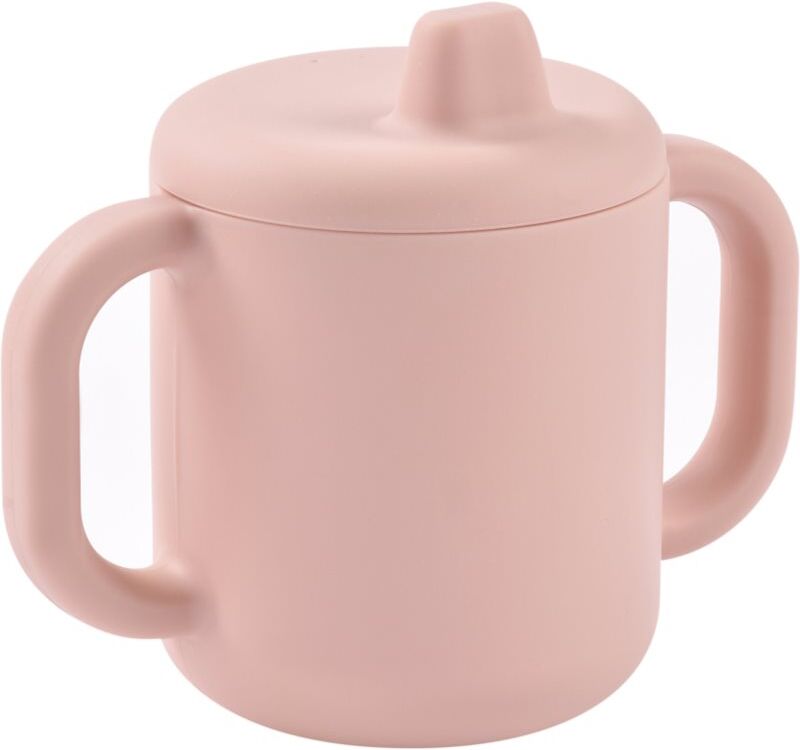
Suavinex Wonderland Learning Cup tasse d’apprentissage Rose 1 pcsSuavinex Wonderland Learning Cup, 1 pcs, Tasses pour enfants pour enfant, Vous voulez que votre enfant développe la bonne habitude de s’hydrater régulièrement ? La tasse pour enfant Suavinex Wonderland Learning Cup, adaptée aux petites mains des enfants, vous facilitera la tâche. En outre, son design amusant plaire à votre enfant Le produit : ne se renverse pas format pratique idéal pour voyager avec poignées les poignées sont parfaitement adaptée aux mains des petits enfants permet de passer facilement et rapidement du biberon à la tasse bec souple lavable au lave-vaisselle Matériaux : sans bisphénol A Mode d’emploi : Le système de fermeture à 360° de cette tasse n’est pas anti-gouttes. Dans le cas de cette tasse, si la membrane venait à être trop serrée, elle empêcherait le bébé de boire correctement. Les gouttes qui s’écoulent lorsque la tasse est inclinée sont donc un phénomène normal.8,20 €*Shipping: 3,45 €Secure redirect to the provider
-
Suavinex Wonderland Learning Cup tasse d’apprentissage Green 200 mlSuavinex Wonderland Learning Cup, 200 ml, Tasses pour enfants pour enfant, Vous voulez que votre enfant développe la bonne habitude de s’hydrater régulièrement ? La tasse pour enfant Suavinex Wonderland Learning Cup, adaptée aux petites mains des enfants, vous facilitera la tâche. En outre, son design amusant plaire à votre enfant Le produit : lavable au lave-vaisselle bec souple ne se renverse pas format pratique facile à nettoyer les poignées sont parfaitement adaptée aux mains des petits enfants permet de passer facilement et rapidement du biberon à la tasse en silicone doux pour les dents et les gencives des enfants Mode d’emploi : Le système de fermeture à 360° de cette tasse n’est pas anti-gouttes. Dans le cas de cette tasse, si la membrane venait à être trop serrée, elle empêcherait le bébé de boire correctement. Les gouttes qui s’écoulent lorsque la tasse est inclinée sont donc un phénomène normal. Lavable au lave-vaisselle.9,50 €*Shipping: 3,45 €Secure redirect to the provider
-
Suavinex Wonderland Learning Cup tasse d’apprentissage Pink 200 mlSuavinex Wonderland Learning Cup, 200 ml, Tasses pour enfants pour enfant, Vous voulez que votre enfant développe la bonne habitude de s’hydrater régulièrement ? La tasse pour enfant Suavinex Wonderland Learning Cup, adaptée aux petites mains des enfants, vous facilitera la tâche. En outre, son design amusant plaire à votre enfant Le produit : lavable au lave-vaisselle bec souple ne se renverse pas format pratique facile à nettoyer les poignées sont parfaitement adaptée aux mains des petits enfants permet de passer facilement et rapidement du biberon à la tasse en silicone doux pour les dents et les gencives des enfants Mode d’emploi : Le système de fermeture à 360° de cette tasse n’est pas anti-gouttes. Dans le cas de cette tasse, si la membrane venait à être trop serrée, elle empêcherait le bébé de boire correctement. Les gouttes qui s’écoulent lorsque la tasse est inclinée sont donc un phénomène normal. Lavable au lave-vaisselle.9,50 €*Shipping: 3,45 €Secure redirect to the provider



-
What is a posterior cruciate ligament (PCL) surgery?
A posterior cruciate ligament (PCL) surgery is a surgical procedure performed to repair or reconstruct a torn or damaged PCL in the knee. The PCL is one of the major ligaments in the knee that helps stabilize the joint. During the surgery, the surgeon may repair the torn ligament using sutures or other techniques, or they may reconstruct the ligament using a graft from another part of the body or a donor. PCL surgery is typically recommended when conservative treatments like physical therapy have not been successful in restoring stability and function to the knee. **
-
How to calculate Prior and Posterior in software engineering?
In software engineering, calculating Prior and Posterior probabilities involves using Bayesian inference. The Prior probability is the initial belief or probability of an event occurring before any new evidence is taken into account. The Posterior probability is the updated belief or probability of an event occurring after new evidence is considered. To calculate the Posterior probability, Bayes' theorem is used, which involves multiplying the Prior probability by the likelihood of the evidence given the prior, and then normalizing the result to get the Posterior probability. **
-
What does a hypoplastic P1 segment of the left posterior cerebral artery mean in the presence of a strong posterior communicating artery?
A hypoplastic P1 segment of the left posterior cerebral artery means that this portion of the artery is underdeveloped or smaller than normal. In the presence of a strong posterior communicating artery, this can indicate that there is compensatory blood flow from the internal carotid artery to the posterior cerebral artery through the posterior communicating artery. This collateral circulation helps to maintain adequate blood supply to the posterior cerebral artery territory despite the hypoplastic P1 segment. **
-
How do you calculate Prior and Posterior in software engineering?
In software engineering, calculating Prior and Posterior probabilities is often done using Bayesian inference. The Prior probability represents our initial belief about the likelihood of an event occurring before any evidence is taken into account. This is typically based on historical data or expert knowledge. The Posterior probability, on the other hand, is updated based on new evidence using Bayes' theorem, which combines the Prior probability with the likelihood of the evidence given the event. By iteratively updating the Prior with new evidence, we can refine our understanding of the likelihood of an event occurring in software engineering. **
What is the posterior acoustic enhancement in an ultrasound procedure?
Posterior acoustic enhancement is a common artifact seen in ultrasound imaging where structures located behind a fluid-filled structure appear brighter than expected. This occurs because the fluid-filled structure allows more sound waves to pass through, resulting in increased transmission and amplification of the sound waves. As a result, the structures located behind the fluid-filled area appear brighter on the ultrasound image, making them easier to visualize. This phenomenon is particularly useful in imaging fluid-filled structures like cysts or blood vessels. **
What is a meniscopathy grade 1 in the medial posterior horn?
A meniscopathy grade 1 in the medial posterior horn refers to a mild degenerative condition affecting the meniscus in the knee joint. The meniscus is a C-shaped piece of cartilage that acts as a cushion and stabilizer in the knee. Grade 1 indicates the mildest form of meniscus degeneration, typically involving minor fraying or small tears in the meniscus tissue. In the medial posterior horn, this refers to the back and inner portion of the meniscus in the knee joint. This condition may cause mild discomfort or pain in the knee, and can often be managed with conservative treatments such as rest, ice, and physical therapy. **
Top-Angebote
Products related to Posterior:
-
Beaba Silicone Learning Cup tasse Pink 170 mlBeaba Silicone Learning Cup, 170 ml, Tasses pour enfants pour enfant, Vous voulez que votre enfant développe la bonne habitude de s’hydrater régulièrement ? La tasse pour enfant Beaba Silicone Learning Cup , adaptée aux petites mains des enfants, vous facilitera la tâche. En outre, son design amusant plaire à votre enfant Le produit : idéal pour voyager lavable au lave-vaisselle bec souple format pratique avec poignées avec une tétine résistante aux morsures facile à nettoyer facile à assembler tasse d’apprentissage les poignées sont parfaitement adaptée aux mains des petits enfants en silicone doux pour les dents et les gencives des enfants Matériaux : sans bisphénol A sans phtalates silicone Mode d’emploi : Lavable au lave-vaisselle.16,90 €*Shipping: 3,45 €Secure redirect to the provider
-
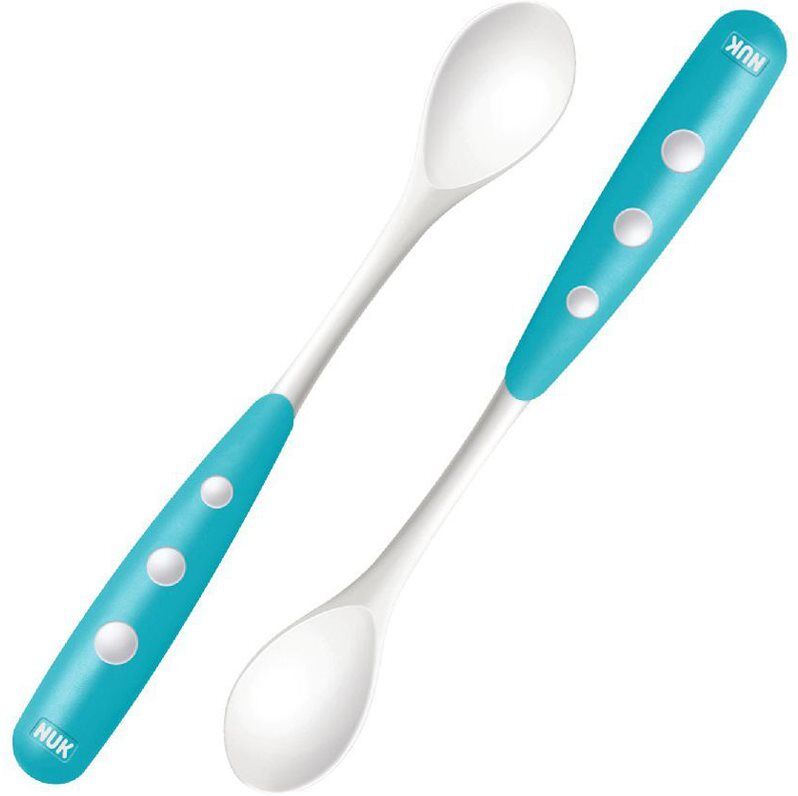
NUK Easy Learning Spoons cuillère pour enfant 2 pcsNUK Easy Learning Spoons, 2 pcs, Couverts pour enfants pour enfant, Les repas sont encore meilleurs lorsqu’ils sont servis sur une belle assiette. La vaisselle pour enfants NUK Easy Learning Spoons est fabriquée à partir d’un matériel durable de haute qualité, est facile à laver et son design amusant divertira les enfants, pour que les repas soient des moments encore plus agréables. Le produit : matériel de qualité facile à saisir idéal pour apprendre à manger de manière autonome Composition du produit : plastique5,22 €*Shipping: 3,45 €Secure redirect to the provider
-
Suavinex Wonderland Learning Cup tasse d’apprentissage Rose 1 pcsSuavinex Wonderland Learning Cup, 1 pcs, Tasses pour enfants pour enfant, Vous voulez que votre enfant développe la bonne habitude de s’hydrater régulièrement ? La tasse pour enfant Suavinex Wonderland Learning Cup, adaptée aux petites mains des enfants, vous facilitera la tâche. En outre, son design amusant plaire à votre enfant Le produit : ne se renverse pas format pratique idéal pour voyager avec poignées les poignées sont parfaitement adaptée aux mains des petits enfants permet de passer facilement et rapidement du biberon à la tasse bec souple lavable au lave-vaisselle Matériaux : sans bisphénol A Mode d’emploi : Le système de fermeture à 360° de cette tasse n’est pas anti-gouttes. Dans le cas de cette tasse, si la membrane venait à être trop serrée, elle empêcherait le bébé de boire correctement. Les gouttes qui s’écoulent lorsque la tasse est inclinée sont donc un phénomène normal.8,20 €*Shipping: 3,45 €Secure redirect to the provider
-
Suavinex Wonderland Learning Cup tasse d’apprentissage Green 200 mlSuavinex Wonderland Learning Cup, 200 ml, Tasses pour enfants pour enfant, Vous voulez que votre enfant développe la bonne habitude de s’hydrater régulièrement ? La tasse pour enfant Suavinex Wonderland Learning Cup, adaptée aux petites mains des enfants, vous facilitera la tâche. En outre, son design amusant plaire à votre enfant Le produit : lavable au lave-vaisselle bec souple ne se renverse pas format pratique facile à nettoyer les poignées sont parfaitement adaptée aux mains des petits enfants permet de passer facilement et rapidement du biberon à la tasse en silicone doux pour les dents et les gencives des enfants Mode d’emploi : Le système de fermeture à 360° de cette tasse n’est pas anti-gouttes. Dans le cas de cette tasse, si la membrane venait à être trop serrée, elle empêcherait le bébé de boire correctement. Les gouttes qui s’écoulent lorsque la tasse est inclinée sont donc un phénomène normal. Lavable au lave-vaisselle.9,50 €*Shipping: 3,45 €Secure redirect to the provider
-
What is a posterior cruciate ligament surgery?
A posterior cruciate ligament (PCL) surgery is a procedure performed to repair or reconstruct the PCL, which is one of the major ligaments in the knee. This surgery is typically recommended for individuals who have sustained a severe PCL injury, such as a tear or rupture, that has not responded to conservative treatments. The goal of the surgery is to restore stability and function to the knee joint, allowing the individual to return to their normal activities. The procedure may involve repairing the torn ligament or replacing it with a graft from another part of the body. **
-
What does a hypoplastic P1 segment of the left posterior cerebral artery mean in a strong posterior communicating artery?
A hypoplastic P1 segment of the left posterior cerebral artery in the presence of a strong posterior communicating artery suggests that there is inadequate blood supply to the left posterior cerebral artery. This can lead to reduced perfusion to the territories supplied by the left posterior cerebral artery, potentially resulting in ischemic events such as strokes. The strong posterior communicating artery may be compensating for the reduced blood flow by providing collateral circulation to the affected area. Close monitoring and management may be necessary to prevent complications. **
-
What is a posterior cruciate ligament (PCL) surgery?
A posterior cruciate ligament (PCL) surgery is a surgical procedure performed to repair or reconstruct a torn or damaged PCL in the knee. The PCL is one of the major ligaments in the knee that helps stabilize the joint. During the surgery, the surgeon may repair the torn ligament using sutures or other techniques, or they may reconstruct the ligament using a graft from another part of the body or a donor. PCL surgery is typically recommended when conservative treatments like physical therapy have not been successful in restoring stability and function to the knee. **
-
How to calculate Prior and Posterior in software engineering?
In software engineering, calculating Prior and Posterior probabilities involves using Bayesian inference. The Prior probability is the initial belief or probability of an event occurring before any new evidence is taken into account. The Posterior probability is the updated belief or probability of an event occurring after new evidence is considered. To calculate the Posterior probability, Bayes' theorem is used, which involves multiplying the Prior probability by the likelihood of the evidence given the prior, and then normalizing the result to get the Posterior probability. **
Similar search terms for Posterior
-
Suavinex Wonderland Learning Cup tasse d’apprentissage Pink 200 mlSuavinex Wonderland Learning Cup, 200 ml, Tasses pour enfants pour enfant, Vous voulez que votre enfant développe la bonne habitude de s’hydrater régulièrement ? La tasse pour enfant Suavinex Wonderland Learning Cup, adaptée aux petites mains des enfants, vous facilitera la tâche. En outre, son design amusant plaire à votre enfant Le produit : lavable au lave-vaisselle bec souple ne se renverse pas format pratique facile à nettoyer les poignées sont parfaitement adaptée aux mains des petits enfants permet de passer facilement et rapidement du biberon à la tasse en silicone doux pour les dents et les gencives des enfants Mode d’emploi : Le système de fermeture à 360° de cette tasse n’est pas anti-gouttes. Dans le cas de cette tasse, si la membrane venait à être trop serrée, elle empêcherait le bébé de boire correctement. Les gouttes qui s’écoulent lorsque la tasse est inclinée sont donc un phénomène normal. Lavable au lave-vaisselle.9,50 €*Shipping: 3,45 €Secure redirect to the provider
-
What does a hypoplastic P1 segment of the left posterior cerebral artery mean in the presence of a strong posterior communicating artery?
A hypoplastic P1 segment of the left posterior cerebral artery means that this portion of the artery is underdeveloped or smaller than normal. In the presence of a strong posterior communicating artery, this can indicate that there is compensatory blood flow from the internal carotid artery to the posterior cerebral artery through the posterior communicating artery. This collateral circulation helps to maintain adequate blood supply to the posterior cerebral artery territory despite the hypoplastic P1 segment. **
-
How do you calculate Prior and Posterior in software engineering?
In software engineering, calculating Prior and Posterior probabilities is often done using Bayesian inference. The Prior probability represents our initial belief about the likelihood of an event occurring before any evidence is taken into account. This is typically based on historical data or expert knowledge. The Posterior probability, on the other hand, is updated based on new evidence using Bayes' theorem, which combines the Prior probability with the likelihood of the evidence given the event. By iteratively updating the Prior with new evidence, we can refine our understanding of the likelihood of an event occurring in software engineering. **
-
What is the posterior acoustic enhancement in an ultrasound procedure?
Posterior acoustic enhancement is a common artifact seen in ultrasound imaging where structures located behind a fluid-filled structure appear brighter than expected. This occurs because the fluid-filled structure allows more sound waves to pass through, resulting in increased transmission and amplification of the sound waves. As a result, the structures located behind the fluid-filled area appear brighter on the ultrasound image, making them easier to visualize. This phenomenon is particularly useful in imaging fluid-filled structures like cysts or blood vessels. **
-
What is a meniscopathy grade 1 in the medial posterior horn?
A meniscopathy grade 1 in the medial posterior horn refers to a mild degenerative condition affecting the meniscus in the knee joint. The meniscus is a C-shaped piece of cartilage that acts as a cushion and stabilizer in the knee. Grade 1 indicates the mildest form of meniscus degeneration, typically involving minor fraying or small tears in the meniscus tissue. In the medial posterior horn, this refers to the back and inner portion of the meniscus in the knee joint. This condition may cause mild discomfort or pain in the knee, and can often be managed with conservative treatments such as rest, ice, and physical therapy. **
* All prices are inclusive of VAT and, if applicable, plus shipping costs. The offer information is based on the details provided by the respective shop and is updated through automated processes. Real-time updates do not occur, so deviations can occur in individual cases. ** Note: Parts of this content were created by AI.