Buy université.be ?
We are moving the project
université.be .
Are you interested in purchasing the domain
université.be ?
domain@kv-gmbh.de · 0541-91531010
Buy université.be ?
What are magnification spots?
Magnification spots are areas on a microscope slide where the specimen appears larger than the surrounding areas. These spots can occur due to uneven distribution of the specimen on the slide, uneven thickness of the specimen, or uneven lighting. Magnification spots can make it difficult to accurately observe and analyze the specimen, so it is important to carefully prepare and position the specimen on the slide to minimize their occurrence. **
What does 8x magnification mean?
8x magnification means that the object being viewed through the binoculars or telescope will appear 8 times larger than it would to the naked eye. This means that distant objects will appear closer and more detailed, making it easier to see fine details and observe distant subjects. It is a measure of how much closer the object will appear when viewed through the lens. **

Similar search terms for Magnification
Top-Angebote
Products related to Magnification:
-
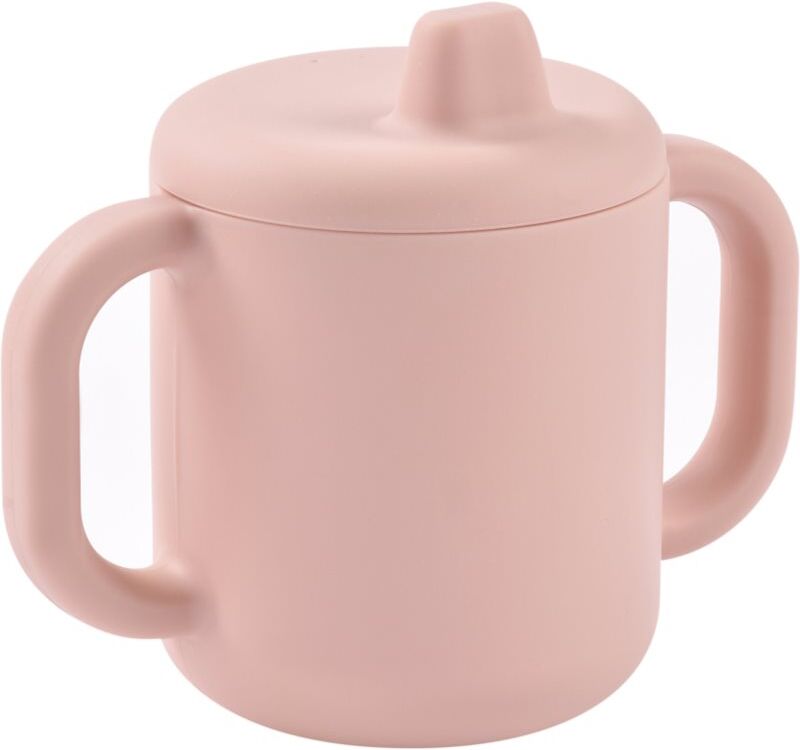
Suavinex Wonderland Learning Cup tasse d’apprentissage Rose 1 pcsSuavinex Wonderland Learning Cup, 1 pcs, Tasses pour enfants pour enfant, Vous voulez que votre enfant développe la bonne habitude de s’hydrater régulièrement ? La tasse pour enfant Suavinex Wonderland Learning Cup, adaptée aux petites mains des enfants, vous facilitera la tâche. En outre, son design amusant plaire à votre enfant Le produit : ne se renverse pas format pratique idéal pour voyager avec poignées les poignées sont parfaitement adaptée aux mains des petits enfants permet de passer facilement et rapidement du biberon à la tasse bec souple lavable au lave-vaisselle Matériaux : sans bisphénol A Mode d’emploi : Le système de fermeture à 360° de cette tasse n’est pas anti-gouttes. Dans le cas de cette tasse, si la membrane venait à être trop serrée, elle empêcherait le bébé de boire correctement. Les gouttes qui s’écoulent lorsque la tasse est inclinée sont donc un phénomène normal.8,20 €*Shipping: 3,45 €Secure redirect to the provider
-
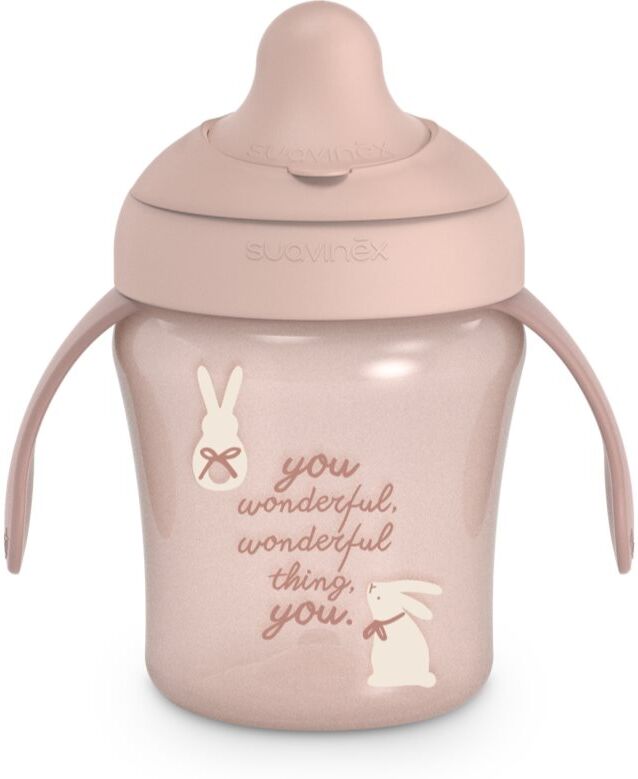
Suavinex Wonderland Learning Cup tasse d’apprentissage Pink 200 mlSuavinex Wonderland Learning Cup, 200 ml, Tasses pour enfants pour enfant, Vous voulez que votre enfant développe la bonne habitude de s’hydrater régulièrement ? La tasse pour enfant Suavinex Wonderland Learning Cup, adaptée aux petites mains des enfants, vous facilitera la tâche. En outre, son design amusant plaire à votre enfant Le produit : lavable au lave-vaisselle bec souple ne se renverse pas format pratique facile à nettoyer les poignées sont parfaitement adaptée aux mains des petits enfants permet de passer facilement et rapidement du biberon à la tasse en silicone doux pour les dents et les gencives des enfants Mode d’emploi : Le système de fermeture à 360° de cette tasse n’est pas anti-gouttes. Dans le cas de cette tasse, si la membrane venait à être trop serrée, elle empêcherait le bébé de boire correctement. Les gouttes qui s’écoulent lorsque la tasse est inclinée sont donc un phénomène normal. Lavable au lave-vaisselle.9,50 €*Shipping: 3,45 €Secure redirect to the provider

-
Why can I see paramecia well at 8x magnification, but not at 20x magnification?
At 8x magnification, the field of view is larger, allowing you to see more paramecia at once. However, at 20x magnification, the field of view is smaller, making it more difficult to locate and focus on individual paramecia. Additionally, higher magnification can sometimes result in a narrower depth of field, making it harder to keep the paramecia in focus. **
-
Why can I see slipper animalcules well at 8x magnification, but not at 20x magnification?
Slipper animalcules are larger microorganisms, so they may be more easily visible at a lower magnification such as 8x. At 20x magnification, the field of view becomes smaller, making it harder to locate and focus on the slipper animalcules. Additionally, higher magnification can sometimes result in a narrower depth of field, making it more challenging to keep the slipper animalcules in focus. **
-
How is the magnification factor determined?
The magnification factor is determined by dividing the focal length of the lens by the focal length of the eyepiece being used. This calculation gives the overall magnification of the telescope. For example, if a telescope has a focal length of 1000mm and an eyepiece with a focal length of 10mm is used, the magnification factor would be 100x (1000mm / 10mm = 100x). This factor indicates how much larger an object will appear when viewed through the telescope. **
-
At what magnification are satellites visible?
Satellites are typically visible at a magnification of around 10x to 20x using a good pair of binoculars. At this magnification, you can see the glint of sunlight reflecting off the satellite as it moves across the sky. However, the exact magnification needed to see a satellite can vary depending on its altitude, size, and the lighting conditions. **
Which binoculars have a good magnification?
The binoculars with a magnification of 10x or higher are generally considered to have good magnification. These binoculars provide a strong level of magnification, allowing you to see distant objects with great clarity and detail. However, it's important to keep in mind that higher magnification can also lead to a narrower field of view and can make the image appear shakier if not properly stabilized. Therefore, it's important to consider your specific needs and uses for the binoculars when determining the ideal magnification for your purposes. **
What is the magnification of eyepieces?
The magnification of eyepieces refers to the degree to which they enlarge the image seen through a microscope or telescope. It is determined by the focal length of the eyepiece and the focal length of the objective lens. The magnification of an eyepiece is typically marked on the eyepiece itself, and it is often adjustable by changing the distance between the eyepiece and the objective lens. Higher magnification eyepieces allow for a closer and more detailed view of the object being observed. **
Top-Angebote
Products related to Magnification:
-
Beaba Silicone Learning Cup tasse Pink 170 mlBeaba Silicone Learning Cup, 170 ml, Tasses pour enfants pour enfant, Vous voulez que votre enfant développe la bonne habitude de s’hydrater régulièrement ? La tasse pour enfant Beaba Silicone Learning Cup , adaptée aux petites mains des enfants, vous facilitera la tâche. En outre, son design amusant plaire à votre enfant Le produit : idéal pour voyager lavable au lave-vaisselle bec souple format pratique avec poignées avec une tétine résistante aux morsures facile à nettoyer facile à assembler tasse d’apprentissage les poignées sont parfaitement adaptée aux mains des petits enfants en silicone doux pour les dents et les gencives des enfants Matériaux : sans bisphénol A sans phtalates silicone Mode d’emploi : Lavable au lave-vaisselle.16,90 €*Shipping: 3,45 €Secure redirect to the provider
-
Suavinex Wonderland Learning Cup tasse d’apprentissage Green 200 mlSuavinex Wonderland Learning Cup, 200 ml, Tasses pour enfants pour enfant, Vous voulez que votre enfant développe la bonne habitude de s’hydrater régulièrement ? La tasse pour enfant Suavinex Wonderland Learning Cup, adaptée aux petites mains des enfants, vous facilitera la tâche. En outre, son design amusant plaire à votre enfant Le produit : lavable au lave-vaisselle bec souple ne se renverse pas format pratique facile à nettoyer les poignées sont parfaitement adaptée aux mains des petits enfants permet de passer facilement et rapidement du biberon à la tasse en silicone doux pour les dents et les gencives des enfants Mode d’emploi : Le système de fermeture à 360° de cette tasse n’est pas anti-gouttes. Dans le cas de cette tasse, si la membrane venait à être trop serrée, elle empêcherait le bébé de boire correctement. Les gouttes qui s’écoulent lorsque la tasse est inclinée sont donc un phénomène normal. Lavable au lave-vaisselle.9,50 €*Shipping: 3,45 €Secure redirect to the provider
-
Suavinex Wonderland Learning Cup tasse d’apprentissage Rose 1 pcsSuavinex Wonderland Learning Cup, 1 pcs, Tasses pour enfants pour enfant, Vous voulez que votre enfant développe la bonne habitude de s’hydrater régulièrement ? La tasse pour enfant Suavinex Wonderland Learning Cup, adaptée aux petites mains des enfants, vous facilitera la tâche. En outre, son design amusant plaire à votre enfant Le produit : ne se renverse pas format pratique idéal pour voyager avec poignées les poignées sont parfaitement adaptée aux mains des petits enfants permet de passer facilement et rapidement du biberon à la tasse bec souple lavable au lave-vaisselle Matériaux : sans bisphénol A Mode d’emploi : Le système de fermeture à 360° de cette tasse n’est pas anti-gouttes. Dans le cas de cette tasse, si la membrane venait à être trop serrée, elle empêcherait le bébé de boire correctement. Les gouttes qui s’écoulent lorsque la tasse est inclinée sont donc un phénomène normal.8,20 €*Shipping: 3,45 €Secure redirect to the provider
-
Suavinex Wonderland Learning Cup tasse d’apprentissage Pink 200 mlSuavinex Wonderland Learning Cup, 200 ml, Tasses pour enfants pour enfant, Vous voulez que votre enfant développe la bonne habitude de s’hydrater régulièrement ? La tasse pour enfant Suavinex Wonderland Learning Cup, adaptée aux petites mains des enfants, vous facilitera la tâche. En outre, son design amusant plaire à votre enfant Le produit : lavable au lave-vaisselle bec souple ne se renverse pas format pratique facile à nettoyer les poignées sont parfaitement adaptée aux mains des petits enfants permet de passer facilement et rapidement du biberon à la tasse en silicone doux pour les dents et les gencives des enfants Mode d’emploi : Le système de fermeture à 360° de cette tasse n’est pas anti-gouttes. Dans le cas de cette tasse, si la membrane venait à être trop serrée, elle empêcherait le bébé de boire correctement. Les gouttes qui s’écoulent lorsque la tasse est inclinée sont donc un phénomène normal. Lavable au lave-vaisselle.9,50 €*Shipping: 3,45 €Secure redirect to the provider
-
What are magnification spots?
Magnification spots are areas on a microscope slide where the specimen appears larger than the surrounding areas. These spots can occur due to uneven distribution of the specimen on the slide, uneven thickness of the specimen, or uneven lighting. Magnification spots can make it difficult to accurately observe and analyze the specimen, so it is important to carefully prepare and position the specimen on the slide to minimize their occurrence. **
-
What does 8x magnification mean?
8x magnification means that the object being viewed through the binoculars or telescope will appear 8 times larger than it would to the naked eye. This means that distant objects will appear closer and more detailed, making it easier to see fine details and observe distant subjects. It is a measure of how much closer the object will appear when viewed through the lens. **
-
Why can I see paramecia well at 8x magnification, but not at 20x magnification?
At 8x magnification, the field of view is larger, allowing you to see more paramecia at once. However, at 20x magnification, the field of view is smaller, making it more difficult to locate and focus on individual paramecia. Additionally, higher magnification can sometimes result in a narrower depth of field, making it harder to keep the paramecia in focus. **
-
Why can I see slipper animalcules well at 8x magnification, but not at 20x magnification?
Slipper animalcules are larger microorganisms, so they may be more easily visible at a lower magnification such as 8x. At 20x magnification, the field of view becomes smaller, making it harder to locate and focus on the slipper animalcules. Additionally, higher magnification can sometimes result in a narrower depth of field, making it more challenging to keep the slipper animalcules in focus. **
Similar search terms for Magnification
-
How is the magnification factor determined?
The magnification factor is determined by dividing the focal length of the lens by the focal length of the eyepiece being used. This calculation gives the overall magnification of the telescope. For example, if a telescope has a focal length of 1000mm and an eyepiece with a focal length of 10mm is used, the magnification factor would be 100x (1000mm / 10mm = 100x). This factor indicates how much larger an object will appear when viewed through the telescope. **
-
At what magnification are satellites visible?
Satellites are typically visible at a magnification of around 10x to 20x using a good pair of binoculars. At this magnification, you can see the glint of sunlight reflecting off the satellite as it moves across the sky. However, the exact magnification needed to see a satellite can vary depending on its altitude, size, and the lighting conditions. **
-
Which binoculars have a good magnification?
The binoculars with a magnification of 10x or higher are generally considered to have good magnification. These binoculars provide a strong level of magnification, allowing you to see distant objects with great clarity and detail. However, it's important to keep in mind that higher magnification can also lead to a narrower field of view and can make the image appear shakier if not properly stabilized. Therefore, it's important to consider your specific needs and uses for the binoculars when determining the ideal magnification for your purposes. **
-
What is the magnification of eyepieces?
The magnification of eyepieces refers to the degree to which they enlarge the image seen through a microscope or telescope. It is determined by the focal length of the eyepiece and the focal length of the objective lens. The magnification of an eyepiece is typically marked on the eyepiece itself, and it is often adjustable by changing the distance between the eyepiece and the objective lens. Higher magnification eyepieces allow for a closer and more detailed view of the object being observed. **
* All prices are inclusive of VAT and, if applicable, plus shipping costs. The offer information is based on the details provided by the respective shop and is updated through automated processes. Real-time updates do not occur, so deviations can occur in individual cases. ** Note: Parts of this content were created by AI.