Buy université.be ?
We are moving the project
université.be .
Are you interested in purchasing the domain
université.be ?
domain@kv-gmbh.de · 0541-91531010
Buy université.be ?
What is lactic acid?
Lactic acid is a type of organic acid that is produced in the muscles during intense exercise when the body's oxygen levels are low. It is also produced in certain bacteria and yeast during fermentation. Lactic acid is responsible for the burning sensation in muscles during strenuous physical activity and can also contribute to muscle fatigue. In food production, lactic acid is used as a preservative and flavoring agent. **
Does lactic acid contain lactose?
No, lactic acid does not contain lactose. Lactic acid is a compound produced during the fermentation process of lactose, which is a type of sugar found in milk. Lactose is broken down by bacteria into lactic acid, which gives fermented dairy products their tangy flavor. **

Similar search terms for Lactic
Top-Angebote
Products related to Lactic:
-
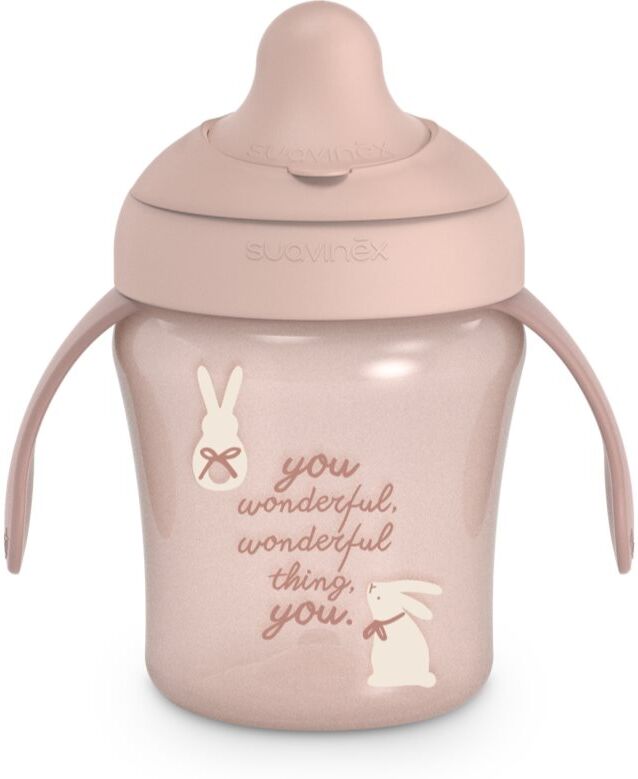
Suavinex Wonderland Learning Cup tasse d’apprentissage Pink 200 mlSuavinex Wonderland Learning Cup, 200 ml, Tasses pour enfants pour enfant, Vous voulez que votre enfant développe la bonne habitude de s’hydrater régulièrement ? La tasse pour enfant Suavinex Wonderland Learning Cup, adaptée aux petites mains des enfants, vous facilitera la tâche. En outre, son design amusant plaire à votre enfant Le produit : lavable au lave-vaisselle bec souple ne se renverse pas format pratique facile à nettoyer les poignées sont parfaitement adaptée aux mains des petits enfants permet de passer facilement et rapidement du biberon à la tasse en silicone doux pour les dents et les gencives des enfants Mode d’emploi : Le système de fermeture à 360° de cette tasse n’est pas anti-gouttes. Dans le cas de cette tasse, si la membrane venait à être trop serrée, elle empêcherait le bébé de boire correctement. Les gouttes qui s’écoulent lorsque la tasse est inclinée sont donc un phénomène normal. Lavable au lave-vaisselle.9,50 €*Shipping: 3,45 €Secure redirect to the provider
-
What are lactic acid bacteria?
Lactic acid bacteria are a group of bacteria that produce lactic acid as a byproduct of their metabolism. They are commonly found in fermented foods such as yogurt, cheese, sauerkraut, and kimchi. Lactic acid bacteria play a crucial role in the fermentation process, helping to preserve and enhance the flavor of these foods. Additionally, they are known for their probiotic properties, which can benefit gut health and overall well-being. **
-
Do lactic acid bacteria die?
Yes, lactic acid bacteria can die under certain conditions. Factors such as high temperatures, exposure to oxygen, or the presence of antimicrobial substances can lead to the death of lactic acid bacteria. However, these bacteria are known for their ability to survive in a variety of environments and can be quite resilient under the right conditions. **
-
What is a lactic acid treatment?
A lactic acid treatment is a skincare procedure that involves applying a solution containing lactic acid to the skin. Lactic acid is a type of alpha hydroxy acid (AHA) that helps to exfoliate the skin by breaking down dead skin cells and promoting cell turnover. This treatment can help improve skin texture, reduce the appearance of fine lines and wrinkles, and brighten the complexion. It is often used to address issues such as dullness, uneven skin tone, and mild acne. **
-
Does whipped cream contain lactic acid bacteria?
Whipped cream does not typically contain lactic acid bacteria. Whipped cream is made by whipping heavy cream until it becomes light and fluffy, without the need for fermentation by bacteria. Lactic acid bacteria are commonly found in fermented dairy products like yogurt and cheese, but they are not a component of whipped cream. **
Do whipped cream contain lactic acid bacteria?
Whipped cream does not typically contain lactic acid bacteria. Whipped cream is made by whipping heavy cream until it becomes light and fluffy, and it does not involve fermentation or the use of bacteria. Lactic acid bacteria are commonly found in fermented dairy products like yogurt and cheese, but they are not a component of whipped cream. **
Does coconut milk have lactic acid bacteria?
No, coconut milk does not naturally contain lactic acid bacteria. Lactic acid bacteria are typically found in dairy products such as yogurt and kefir, where they play a role in the fermentation process. Coconut milk is made from the flesh of coconuts and does not undergo the same fermentation process as dairy products. However, lactic acid bacteria can be added to coconut milk to create fermented coconut products such as coconut yogurt. **
Top-Angebote
Products related to Lactic:
-
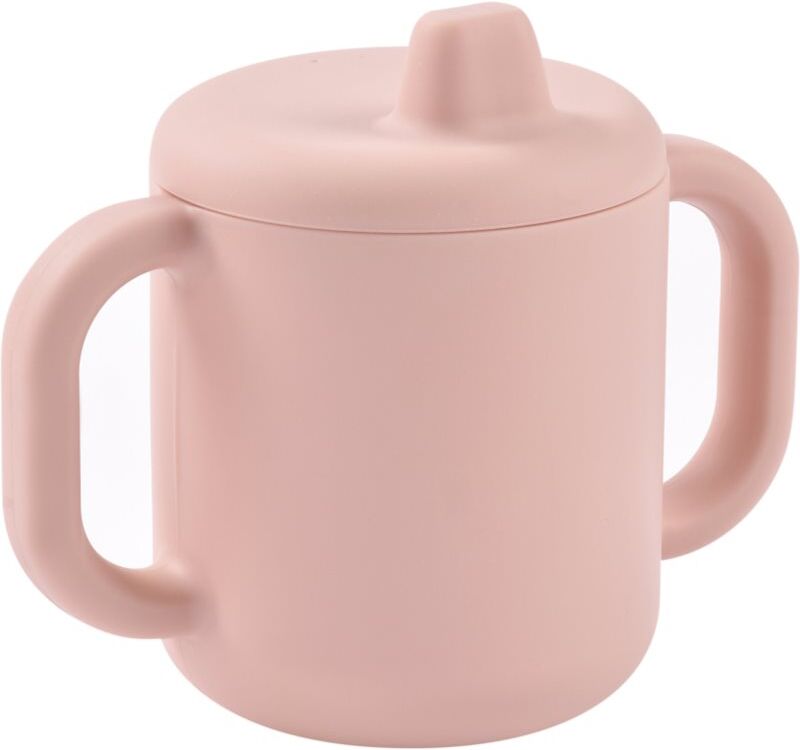
Beaba Silicone Learning Cup tasse Pink 170 mlBeaba Silicone Learning Cup, 170 ml, Tasses pour enfants pour enfant, Vous voulez que votre enfant développe la bonne habitude de s’hydrater régulièrement ? La tasse pour enfant Beaba Silicone Learning Cup , adaptée aux petites mains des enfants, vous facilitera la tâche. En outre, son design amusant plaire à votre enfant Le produit : idéal pour voyager lavable au lave-vaisselle bec souple format pratique avec poignées avec une tétine résistante aux morsures facile à nettoyer facile à assembler tasse d’apprentissage les poignées sont parfaitement adaptée aux mains des petits enfants en silicone doux pour les dents et les gencives des enfants Matériaux : sans bisphénol A sans phtalates silicone Mode d’emploi : Lavable au lave-vaisselle.16,90 €*Shipping: 3,45 €Secure redirect to the provider
-
Suavinex Wonderland Learning Cup tasse d’apprentissage Green 200 mlSuavinex Wonderland Learning Cup, 200 ml, Tasses pour enfants pour enfant, Vous voulez que votre enfant développe la bonne habitude de s’hydrater régulièrement ? La tasse pour enfant Suavinex Wonderland Learning Cup, adaptée aux petites mains des enfants, vous facilitera la tâche. En outre, son design amusant plaire à votre enfant Le produit : lavable au lave-vaisselle bec souple ne se renverse pas format pratique facile à nettoyer les poignées sont parfaitement adaptée aux mains des petits enfants permet de passer facilement et rapidement du biberon à la tasse en silicone doux pour les dents et les gencives des enfants Mode d’emploi : Le système de fermeture à 360° de cette tasse n’est pas anti-gouttes. Dans le cas de cette tasse, si la membrane venait à être trop serrée, elle empêcherait le bébé de boire correctement. Les gouttes qui s’écoulent lorsque la tasse est inclinée sont donc un phénomène normal. Lavable au lave-vaisselle.9,50 €*Shipping: 3,45 €Secure redirect to the provider
-
Suavinex Wonderland Learning Cup tasse d’apprentissage Pink 200 mlSuavinex Wonderland Learning Cup, 200 ml, Tasses pour enfants pour enfant, Vous voulez que votre enfant développe la bonne habitude de s’hydrater régulièrement ? La tasse pour enfant Suavinex Wonderland Learning Cup, adaptée aux petites mains des enfants, vous facilitera la tâche. En outre, son design amusant plaire à votre enfant Le produit : lavable au lave-vaisselle bec souple ne se renverse pas format pratique facile à nettoyer les poignées sont parfaitement adaptée aux mains des petits enfants permet de passer facilement et rapidement du biberon à la tasse en silicone doux pour les dents et les gencives des enfants Mode d’emploi : Le système de fermeture à 360° de cette tasse n’est pas anti-gouttes. Dans le cas de cette tasse, si la membrane venait à être trop serrée, elle empêcherait le bébé de boire correctement. Les gouttes qui s’écoulent lorsque la tasse est inclinée sont donc un phénomène normal. Lavable au lave-vaisselle.9,50 €*Shipping: 3,45 €Secure redirect to the provider
-
What is lactic acid?
Lactic acid is a type of organic acid that is produced in the muscles during intense exercise when the body's oxygen levels are low. It is also produced in certain bacteria and yeast during fermentation. Lactic acid is responsible for the burning sensation in muscles during strenuous physical activity and can also contribute to muscle fatigue. In food production, lactic acid is used as a preservative and flavoring agent. **
-
Does lactic acid contain lactose?
No, lactic acid does not contain lactose. Lactic acid is a compound produced during the fermentation process of lactose, which is a type of sugar found in milk. Lactose is broken down by bacteria into lactic acid, which gives fermented dairy products their tangy flavor. **
-
What are lactic acid bacteria?
Lactic acid bacteria are a group of bacteria that produce lactic acid as a byproduct of their metabolism. They are commonly found in fermented foods such as yogurt, cheese, sauerkraut, and kimchi. Lactic acid bacteria play a crucial role in the fermentation process, helping to preserve and enhance the flavor of these foods. Additionally, they are known for their probiotic properties, which can benefit gut health and overall well-being. **
-
Do lactic acid bacteria die?
Yes, lactic acid bacteria can die under certain conditions. Factors such as high temperatures, exposure to oxygen, or the presence of antimicrobial substances can lead to the death of lactic acid bacteria. However, these bacteria are known for their ability to survive in a variety of environments and can be quite resilient under the right conditions. **
Similar search terms for Lactic
-
What is a lactic acid treatment?
A lactic acid treatment is a skincare procedure that involves applying a solution containing lactic acid to the skin. Lactic acid is a type of alpha hydroxy acid (AHA) that helps to exfoliate the skin by breaking down dead skin cells and promoting cell turnover. This treatment can help improve skin texture, reduce the appearance of fine lines and wrinkles, and brighten the complexion. It is often used to address issues such as dullness, uneven skin tone, and mild acne. **
-
Does whipped cream contain lactic acid bacteria?
Whipped cream does not typically contain lactic acid bacteria. Whipped cream is made by whipping heavy cream until it becomes light and fluffy, without the need for fermentation by bacteria. Lactic acid bacteria are commonly found in fermented dairy products like yogurt and cheese, but they are not a component of whipped cream. **
-
Do whipped cream contain lactic acid bacteria?
Whipped cream does not typically contain lactic acid bacteria. Whipped cream is made by whipping heavy cream until it becomes light and fluffy, and it does not involve fermentation or the use of bacteria. Lactic acid bacteria are commonly found in fermented dairy products like yogurt and cheese, but they are not a component of whipped cream. **
-
Does coconut milk have lactic acid bacteria?
No, coconut milk does not naturally contain lactic acid bacteria. Lactic acid bacteria are typically found in dairy products such as yogurt and kefir, where they play a role in the fermentation process. Coconut milk is made from the flesh of coconuts and does not undergo the same fermentation process as dairy products. However, lactic acid bacteria can be added to coconut milk to create fermented coconut products such as coconut yogurt. **
* All prices are inclusive of VAT and, if applicable, plus shipping costs. The offer information is based on the details provided by the respective shop and is updated through automated processes. Real-time updates do not occur, so deviations can occur in individual cases. ** Note: Parts of this content were created by AI.