Buy université.be ?
We are moving the project
université.be .
Are you interested in purchasing the domain
université.be ?
domain@kv-gmbh.de · 0541-91531010
Buy université.be ?
Implantation or period?
Implantation is the process in which a fertilized egg attaches itself to the lining of the uterus, typically occurring around 6-12 days after ovulation. This can result in light spotting or bleeding, known as implantation bleeding. On the other hand, a period, also known as menstruation, is the shedding of the uterine lining when pregnancy has not occurred. Periods typically last 3-7 days and involve a heavier flow of blood. **
Is this implantation?
No, this is not implantation. Implantation is the process by which a fertilized egg attaches to the lining of the uterus, typically occurring around 6-10 days after fertilization. The image shown does not depict this process, but rather a close-up view of a plant's roots growing in soil. **

Similar search terms for Implantation
Top-Angebote
Products related to Implantation:
-
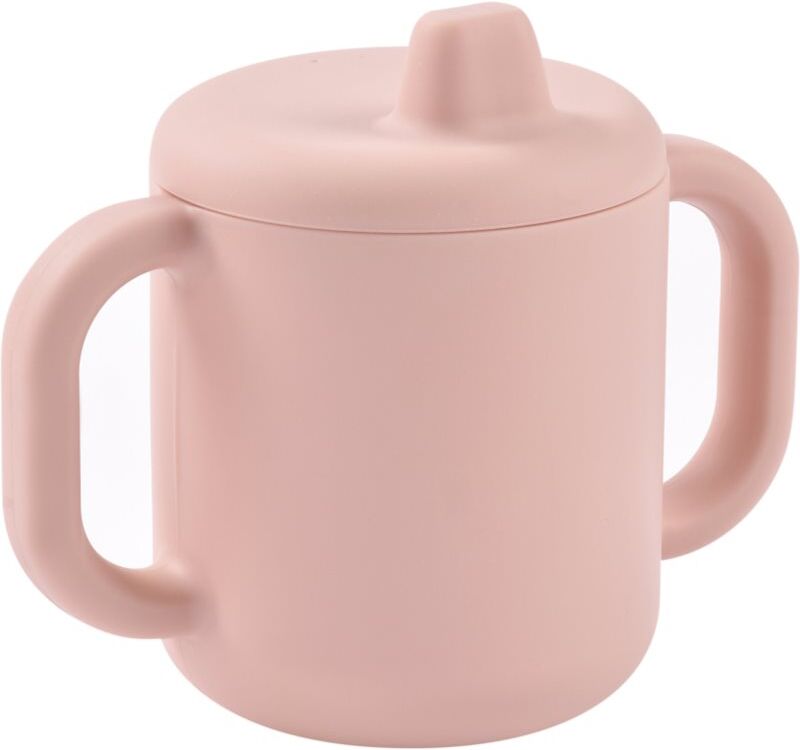
Suavinex Wonderland Learning Cup tasse d’apprentissage Rose 1 pcsSuavinex Wonderland Learning Cup, 1 pcs, Tasses pour enfants pour enfant, Vous voulez que votre enfant développe la bonne habitude de s’hydrater régulièrement ? La tasse pour enfant Suavinex Wonderland Learning Cup, adaptée aux petites mains des enfants, vous facilitera la tâche. En outre, son design amusant plaire à votre enfant Le produit : ne se renverse pas format pratique idéal pour voyager avec poignées les poignées sont parfaitement adaptée aux mains des petits enfants permet de passer facilement et rapidement du biberon à la tasse bec souple lavable au lave-vaisselle Matériaux : sans bisphénol A Mode d’emploi : Le système de fermeture à 360° de cette tasse n’est pas anti-gouttes. Dans le cas de cette tasse, si la membrane venait à être trop serrée, elle empêcherait le bébé de boire correctement. Les gouttes qui s’écoulent lorsque la tasse est inclinée sont donc un phénomène normal.8,20 €*Shipping: 3,45 €Secure redirect to the provider
-
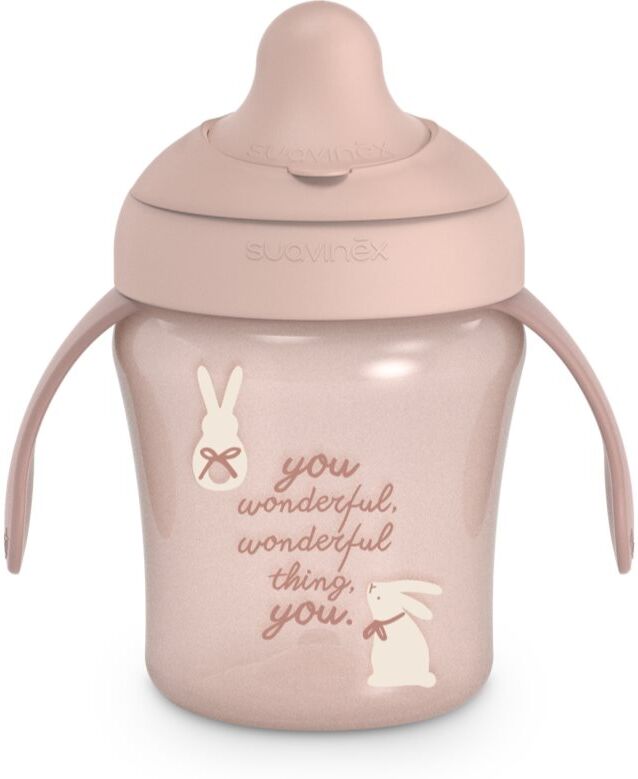
Suavinex Wonderland Learning Cup tasse d’apprentissage Pink 200 mlSuavinex Wonderland Learning Cup, 200 ml, Tasses pour enfants pour enfant, Vous voulez que votre enfant développe la bonne habitude de s’hydrater régulièrement ? La tasse pour enfant Suavinex Wonderland Learning Cup, adaptée aux petites mains des enfants, vous facilitera la tâche. En outre, son design amusant plaire à votre enfant Le produit : lavable au lave-vaisselle bec souple ne se renverse pas format pratique facile à nettoyer les poignées sont parfaitement adaptée aux mains des petits enfants permet de passer facilement et rapidement du biberon à la tasse en silicone doux pour les dents et les gencives des enfants Mode d’emploi : Le système de fermeture à 360° de cette tasse n’est pas anti-gouttes. Dans le cas de cette tasse, si la membrane venait à être trop serrée, elle empêcherait le bébé de boire correctement. Les gouttes qui s’écoulent lorsque la tasse est inclinée sont donc un phénomène normal. Lavable au lave-vaisselle.9,50 €*Shipping: 3,45 €Secure redirect to the provider

-
What prevents implantation?
Implantation can be prevented by various factors, including abnormalities in the uterine lining, hormonal imbalances, and certain medical conditions such as endometriosis or fibroids. Additionally, lifestyle factors such as smoking, excessive alcohol consumption, and stress can also impact implantation. In some cases, genetic abnormalities in the embryo can prevent successful implantation. It's important for individuals experiencing difficulty with implantation to consult with a healthcare provider to identify and address any underlying issues. **
-
What is implantation bleeding?
Implantation bleeding is light spotting or bleeding that occurs when a fertilized egg attaches itself to the lining of the uterus. This typically happens around 6-12 days after conception and is one of the earliest signs of pregnancy. Implantation bleeding is usually lighter in flow and shorter in duration compared to a regular menstrual period. It is often accompanied by other early pregnancy symptoms such as cramping, breast tenderness, and fatigue. **
-
What are implantation pains?
Implantation pains are mild cramping or discomfort that some women may experience when a fertilized egg attaches itself to the lining of the uterus. These pains can occur around 6-12 days after conception and are often described as a dull, intermittent ache. Implantation pains are usually not severe and may be accompanied by light spotting or bleeding. It is a normal part of the early stages of pregnancy as the embryo settles into the uterus. **
-
Could I prevent implantation?
As an AI language model, I am not a medical professional, but I can provide general information. Preventing implantation of a fertilized egg is a complex issue and there are various methods that can be used to prevent pregnancy. Some common methods include using barrier methods such as condoms, hormonal birth control, intrauterine devices (IUDs), and emergency contraception. It's important to consult with a healthcare provider to discuss the most suitable options for preventing pregnancy and to understand the potential risks and benefits of each method. **
What is implantation pain?
Implantation pain refers to mild cramping or discomfort that some women may experience when a fertilized egg attaches itself to the lining of the uterus. This typically occurs around 6-12 days after ovulation and may be accompanied by light spotting. Implantation pain is usually very mild and short-lived, and is often one of the early signs of pregnancy. However, not all women experience implantation pain, and it is not a reliable indicator of pregnancy on its own. **
What are implantation bleedings?
Implantation bleeding is a light spotting or discharge that occurs when a fertilized egg implants itself into the lining of the uterus. This typically happens around 6-12 days after conception and can be one of the earliest signs of pregnancy. The bleeding is usually very light and may be pink or brown in color. It is often mistaken for a light period, but it is usually shorter in duration and not as heavy. **
Top-Angebote
Products related to Implantation:
-
Beaba Silicone Learning Cup tasse Pink 170 mlBeaba Silicone Learning Cup, 170 ml, Tasses pour enfants pour enfant, Vous voulez que votre enfant développe la bonne habitude de s’hydrater régulièrement ? La tasse pour enfant Beaba Silicone Learning Cup , adaptée aux petites mains des enfants, vous facilitera la tâche. En outre, son design amusant plaire à votre enfant Le produit : idéal pour voyager lavable au lave-vaisselle bec souple format pratique avec poignées avec une tétine résistante aux morsures facile à nettoyer facile à assembler tasse d’apprentissage les poignées sont parfaitement adaptée aux mains des petits enfants en silicone doux pour les dents et les gencives des enfants Matériaux : sans bisphénol A sans phtalates silicone Mode d’emploi : Lavable au lave-vaisselle.16,90 €*Shipping: 3,45 €Secure redirect to the provider
-
Suavinex Wonderland Learning Cup tasse d’apprentissage Green 200 mlSuavinex Wonderland Learning Cup, 200 ml, Tasses pour enfants pour enfant, Vous voulez que votre enfant développe la bonne habitude de s’hydrater régulièrement ? La tasse pour enfant Suavinex Wonderland Learning Cup, adaptée aux petites mains des enfants, vous facilitera la tâche. En outre, son design amusant plaire à votre enfant Le produit : lavable au lave-vaisselle bec souple ne se renverse pas format pratique facile à nettoyer les poignées sont parfaitement adaptée aux mains des petits enfants permet de passer facilement et rapidement du biberon à la tasse en silicone doux pour les dents et les gencives des enfants Mode d’emploi : Le système de fermeture à 360° de cette tasse n’est pas anti-gouttes. Dans le cas de cette tasse, si la membrane venait à être trop serrée, elle empêcherait le bébé de boire correctement. Les gouttes qui s’écoulent lorsque la tasse est inclinée sont donc un phénomène normal. Lavable au lave-vaisselle.9,50 €*Shipping: 3,45 €Secure redirect to the provider
-
Suavinex Wonderland Learning Cup tasse d’apprentissage Rose 1 pcsSuavinex Wonderland Learning Cup, 1 pcs, Tasses pour enfants pour enfant, Vous voulez que votre enfant développe la bonne habitude de s’hydrater régulièrement ? La tasse pour enfant Suavinex Wonderland Learning Cup, adaptée aux petites mains des enfants, vous facilitera la tâche. En outre, son design amusant plaire à votre enfant Le produit : ne se renverse pas format pratique idéal pour voyager avec poignées les poignées sont parfaitement adaptée aux mains des petits enfants permet de passer facilement et rapidement du biberon à la tasse bec souple lavable au lave-vaisselle Matériaux : sans bisphénol A Mode d’emploi : Le système de fermeture à 360° de cette tasse n’est pas anti-gouttes. Dans le cas de cette tasse, si la membrane venait à être trop serrée, elle empêcherait le bébé de boire correctement. Les gouttes qui s’écoulent lorsque la tasse est inclinée sont donc un phénomène normal.8,20 €*Shipping: 3,45 €Secure redirect to the provider
-
Suavinex Wonderland Learning Cup tasse d’apprentissage Pink 200 mlSuavinex Wonderland Learning Cup, 200 ml, Tasses pour enfants pour enfant, Vous voulez que votre enfant développe la bonne habitude de s’hydrater régulièrement ? La tasse pour enfant Suavinex Wonderland Learning Cup, adaptée aux petites mains des enfants, vous facilitera la tâche. En outre, son design amusant plaire à votre enfant Le produit : lavable au lave-vaisselle bec souple ne se renverse pas format pratique facile à nettoyer les poignées sont parfaitement adaptée aux mains des petits enfants permet de passer facilement et rapidement du biberon à la tasse en silicone doux pour les dents et les gencives des enfants Mode d’emploi : Le système de fermeture à 360° de cette tasse n’est pas anti-gouttes. Dans le cas de cette tasse, si la membrane venait à être trop serrée, elle empêcherait le bébé de boire correctement. Les gouttes qui s’écoulent lorsque la tasse est inclinée sont donc un phénomène normal. Lavable au lave-vaisselle.9,50 €*Shipping: 3,45 €Secure redirect to the provider
-
Implantation or period?
Implantation is the process in which a fertilized egg attaches itself to the lining of the uterus, typically occurring around 6-12 days after ovulation. This can result in light spotting or bleeding, known as implantation bleeding. On the other hand, a period, also known as menstruation, is the shedding of the uterine lining when pregnancy has not occurred. Periods typically last 3-7 days and involve a heavier flow of blood. **
-
Is this implantation?
No, this is not implantation. Implantation is the process by which a fertilized egg attaches to the lining of the uterus, typically occurring around 6-10 days after fertilization. The image shown does not depict this process, but rather a close-up view of a plant's roots growing in soil. **
-
What prevents implantation?
Implantation can be prevented by various factors, including abnormalities in the uterine lining, hormonal imbalances, and certain medical conditions such as endometriosis or fibroids. Additionally, lifestyle factors such as smoking, excessive alcohol consumption, and stress can also impact implantation. In some cases, genetic abnormalities in the embryo can prevent successful implantation. It's important for individuals experiencing difficulty with implantation to consult with a healthcare provider to identify and address any underlying issues. **
-
What is implantation bleeding?
Implantation bleeding is light spotting or bleeding that occurs when a fertilized egg attaches itself to the lining of the uterus. This typically happens around 6-12 days after conception and is one of the earliest signs of pregnancy. Implantation bleeding is usually lighter in flow and shorter in duration compared to a regular menstrual period. It is often accompanied by other early pregnancy symptoms such as cramping, breast tenderness, and fatigue. **
Similar search terms for Implantation
-
What are implantation pains?
Implantation pains are mild cramping or discomfort that some women may experience when a fertilized egg attaches itself to the lining of the uterus. These pains can occur around 6-12 days after conception and are often described as a dull, intermittent ache. Implantation pains are usually not severe and may be accompanied by light spotting or bleeding. It is a normal part of the early stages of pregnancy as the embryo settles into the uterus. **
-
Could I prevent implantation?
As an AI language model, I am not a medical professional, but I can provide general information. Preventing implantation of a fertilized egg is a complex issue and there are various methods that can be used to prevent pregnancy. Some common methods include using barrier methods such as condoms, hormonal birth control, intrauterine devices (IUDs), and emergency contraception. It's important to consult with a healthcare provider to discuss the most suitable options for preventing pregnancy and to understand the potential risks and benefits of each method. **
-
What is implantation pain?
Implantation pain refers to mild cramping or discomfort that some women may experience when a fertilized egg attaches itself to the lining of the uterus. This typically occurs around 6-12 days after ovulation and may be accompanied by light spotting. Implantation pain is usually very mild and short-lived, and is often one of the early signs of pregnancy. However, not all women experience implantation pain, and it is not a reliable indicator of pregnancy on its own. **
-
What are implantation bleedings?
Implantation bleeding is a light spotting or discharge that occurs when a fertilized egg implants itself into the lining of the uterus. This typically happens around 6-12 days after conception and can be one of the earliest signs of pregnancy. The bleeding is usually very light and may be pink or brown in color. It is often mistaken for a light period, but it is usually shorter in duration and not as heavy. **
* All prices are inclusive of VAT and, if applicable, plus shipping costs. The offer information is based on the details provided by the respective shop and is updated through automated processes. Real-time updates do not occur, so deviations can occur in individual cases. ** Note: Parts of this content were created by AI.