Buy université.be ?
We are moving the project
université.be .
Are you interested in purchasing the domain
université.be ?
domain@kv-gmbh.de · 0541-91531010
Buy université.be ?
Who invented greeting?
The concept of greeting others has been a part of human interaction for centuries, dating back to ancient civilizations. There is no specific individual credited with inventing greeting, as it is a universal social custom that has evolved over time. Different cultures have developed their own unique forms of greeting, reflecting their traditions, values, and beliefs. Greeting serves as a way to acknowledge and show respect to others, fostering positive social interactions. **
Russian greeting or what?
The traditional Russian greeting is "Здравствуйте" (Zdravstvuyte), which means "Hello" in English. It is a formal way of greeting someone in Russian. In more informal settings, Russians may also use "Привет" (Privet), which means "Hi" or "Hello". Overall, greetings are an important part of Russian culture and are often accompanied by a handshake or a kiss on the cheek. **

Similar search terms for Greeting
Top-Angebote
Products related to Greeting:
-
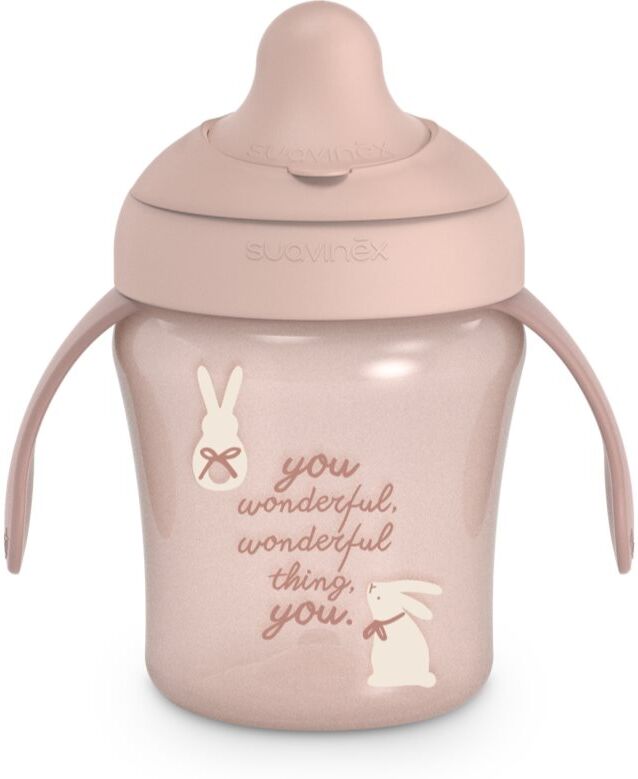
Suavinex Wonderland Learning Cup tasse d’apprentissage Pink 200 mlSuavinex Wonderland Learning Cup, 200 ml, Tasses pour enfants pour enfant, Vous voulez que votre enfant développe la bonne habitude de s’hydrater régulièrement ? La tasse pour enfant Suavinex Wonderland Learning Cup, adaptée aux petites mains des enfants, vous facilitera la tâche. En outre, son design amusant plaire à votre enfant Le produit : lavable au lave-vaisselle bec souple ne se renverse pas format pratique facile à nettoyer les poignées sont parfaitement adaptée aux mains des petits enfants permet de passer facilement et rapidement du biberon à la tasse en silicone doux pour les dents et les gencives des enfants Mode d’emploi : Le système de fermeture à 360° de cette tasse n’est pas anti-gouttes. Dans le cas de cette tasse, si la membrane venait à être trop serrée, elle empêcherait le bébé de boire correctement. Les gouttes qui s’écoulent lorsque la tasse est inclinée sont donc un phénomène normal. Lavable au lave-vaisselle.9,50 €*Shipping: 3,45 €Secure redirect to the provider
-
Is greeting still contemporary?
Yes, greeting is still contemporary and important in social interactions. It is a way to show respect, acknowledge someone's presence, and create a positive atmosphere. Whether it's a simple "hello" or a more formal greeting, taking the time to acknowledge and greet others is a fundamental part of human communication and connection. In today's fast-paced world, greeting others can help to foster a sense of community and civility. **
-
Who invented the greeting?
The concept of greeting others has been a part of human interaction since ancient times. It is difficult to attribute the invention of the greeting to a single individual or culture, as various forms of greetings have existed across different societies throughout history. Greetings serve as a way to acknowledge and show respect to others, and they have evolved over time to reflect cultural norms and customs. **
-
Which greeting is the coolest?
The coolest greeting is subjective and can vary depending on personal preference. Some may find a casual "Hey, what's up?" to be the coolest, while others may prefer a more formal "Hello, how are you?" Ultimately, the coolest greeting is one that feels authentic and genuine to both the speaker and the recipient. **
-
Can you deliver a greeting?
Yes, I can help you deliver a greeting! Just let me know the message you would like to send, and I can assist in crafting and sending the greeting to the intended recipient. Whether it's a birthday wish, a congratulatory message, or just a simple hello, I'm here to help convey your sentiments. **
Is a greeting so clear?
Yes, a greeting can be clear if it is delivered in a straightforward and easily understandable manner. A clear greeting is important in communication as it sets the tone for the interaction and helps establish a positive connection between individuals. Using simple and polite language, along with appropriate body language, can also contribute to making a greeting clear and effective. **
What is the Japanese greeting?
The Japanese greeting is typically a bow, known as "ojigi." This gesture is a sign of respect and is commonly used when meeting someone for the first time or in a formal setting. In addition to bowing, it is also common to say "Konnichiwa" (hello) or "Ohayou gozaimasu" (good morning) as a verbal greeting. The depth of the bow can vary depending on the level of formality and the relationship between the individuals. **
Top-Angebote
Products related to Greeting:
-
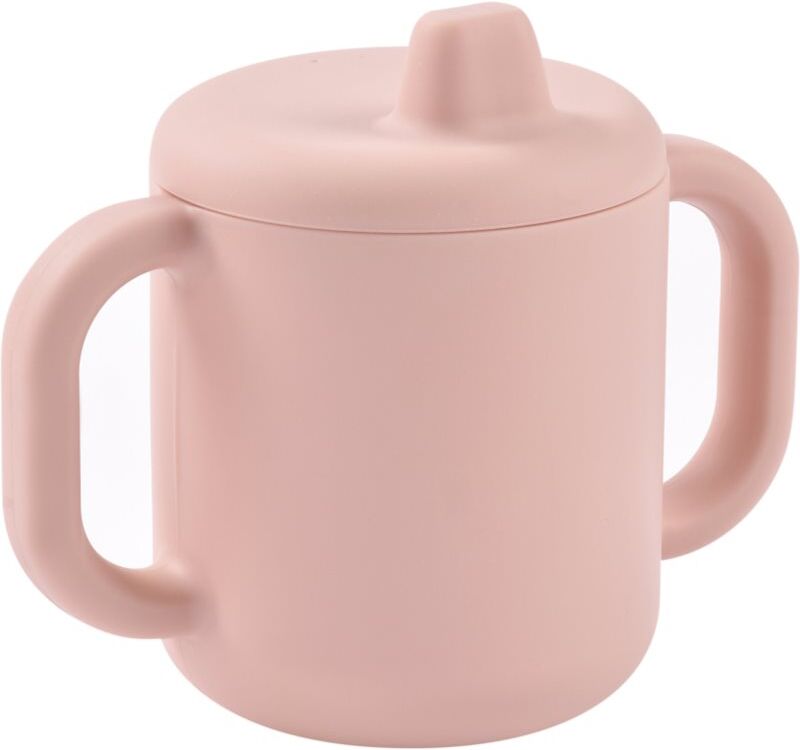
Beaba Silicone Learning Cup tasse Pink 170 mlBeaba Silicone Learning Cup, 170 ml, Tasses pour enfants pour enfant, Vous voulez que votre enfant développe la bonne habitude de s’hydrater régulièrement ? La tasse pour enfant Beaba Silicone Learning Cup , adaptée aux petites mains des enfants, vous facilitera la tâche. En outre, son design amusant plaire à votre enfant Le produit : idéal pour voyager lavable au lave-vaisselle bec souple format pratique avec poignées avec une tétine résistante aux morsures facile à nettoyer facile à assembler tasse d’apprentissage les poignées sont parfaitement adaptée aux mains des petits enfants en silicone doux pour les dents et les gencives des enfants Matériaux : sans bisphénol A sans phtalates silicone Mode d’emploi : Lavable au lave-vaisselle.16,90 €*Shipping: 3,45 €Secure redirect to the provider
-
Suavinex Wonderland Learning Cup tasse d’apprentissage Green 200 mlSuavinex Wonderland Learning Cup, 200 ml, Tasses pour enfants pour enfant, Vous voulez que votre enfant développe la bonne habitude de s’hydrater régulièrement ? La tasse pour enfant Suavinex Wonderland Learning Cup, adaptée aux petites mains des enfants, vous facilitera la tâche. En outre, son design amusant plaire à votre enfant Le produit : lavable au lave-vaisselle bec souple ne se renverse pas format pratique facile à nettoyer les poignées sont parfaitement adaptée aux mains des petits enfants permet de passer facilement et rapidement du biberon à la tasse en silicone doux pour les dents et les gencives des enfants Mode d’emploi : Le système de fermeture à 360° de cette tasse n’est pas anti-gouttes. Dans le cas de cette tasse, si la membrane venait à être trop serrée, elle empêcherait le bébé de boire correctement. Les gouttes qui s’écoulent lorsque la tasse est inclinée sont donc un phénomène normal. Lavable au lave-vaisselle.9,50 €*Shipping: 3,45 €Secure redirect to the provider
-
Suavinex Wonderland Learning Cup tasse d’apprentissage Pink 200 mlSuavinex Wonderland Learning Cup, 200 ml, Tasses pour enfants pour enfant, Vous voulez que votre enfant développe la bonne habitude de s’hydrater régulièrement ? La tasse pour enfant Suavinex Wonderland Learning Cup, adaptée aux petites mains des enfants, vous facilitera la tâche. En outre, son design amusant plaire à votre enfant Le produit : lavable au lave-vaisselle bec souple ne se renverse pas format pratique facile à nettoyer les poignées sont parfaitement adaptée aux mains des petits enfants permet de passer facilement et rapidement du biberon à la tasse en silicone doux pour les dents et les gencives des enfants Mode d’emploi : Le système de fermeture à 360° de cette tasse n’est pas anti-gouttes. Dans le cas de cette tasse, si la membrane venait à être trop serrée, elle empêcherait le bébé de boire correctement. Les gouttes qui s’écoulent lorsque la tasse est inclinée sont donc un phénomène normal. Lavable au lave-vaisselle.9,50 €*Shipping: 3,45 €Secure redirect to the provider
-
Who invented greeting?
The concept of greeting others has been a part of human interaction for centuries, dating back to ancient civilizations. There is no specific individual credited with inventing greeting, as it is a universal social custom that has evolved over time. Different cultures have developed their own unique forms of greeting, reflecting their traditions, values, and beliefs. Greeting serves as a way to acknowledge and show respect to others, fostering positive social interactions. **
-
Russian greeting or what?
The traditional Russian greeting is "Здравствуйте" (Zdravstvuyte), which means "Hello" in English. It is a formal way of greeting someone in Russian. In more informal settings, Russians may also use "Привет" (Privet), which means "Hi" or "Hello". Overall, greetings are an important part of Russian culture and are often accompanied by a handshake or a kiss on the cheek. **
-
Is greeting still contemporary?
Yes, greeting is still contemporary and important in social interactions. It is a way to show respect, acknowledge someone's presence, and create a positive atmosphere. Whether it's a simple "hello" or a more formal greeting, taking the time to acknowledge and greet others is a fundamental part of human communication and connection. In today's fast-paced world, greeting others can help to foster a sense of community and civility. **
-
Who invented the greeting?
The concept of greeting others has been a part of human interaction since ancient times. It is difficult to attribute the invention of the greeting to a single individual or culture, as various forms of greetings have existed across different societies throughout history. Greetings serve as a way to acknowledge and show respect to others, and they have evolved over time to reflect cultural norms and customs. **
Similar search terms for Greeting
-
Which greeting is the coolest?
The coolest greeting is subjective and can vary depending on personal preference. Some may find a casual "Hey, what's up?" to be the coolest, while others may prefer a more formal "Hello, how are you?" Ultimately, the coolest greeting is one that feels authentic and genuine to both the speaker and the recipient. **
-
Can you deliver a greeting?
Yes, I can help you deliver a greeting! Just let me know the message you would like to send, and I can assist in crafting and sending the greeting to the intended recipient. Whether it's a birthday wish, a congratulatory message, or just a simple hello, I'm here to help convey your sentiments. **
-
Is a greeting so clear?
Yes, a greeting can be clear if it is delivered in a straightforward and easily understandable manner. A clear greeting is important in communication as it sets the tone for the interaction and helps establish a positive connection between individuals. Using simple and polite language, along with appropriate body language, can also contribute to making a greeting clear and effective. **
-
What is the Japanese greeting?
The Japanese greeting is typically a bow, known as "ojigi." This gesture is a sign of respect and is commonly used when meeting someone for the first time or in a formal setting. In addition to bowing, it is also common to say "Konnichiwa" (hello) or "Ohayou gozaimasu" (good morning) as a verbal greeting. The depth of the bow can vary depending on the level of formality and the relationship between the individuals. **
* All prices are inclusive of VAT and, if applicable, plus shipping costs. The offer information is based on the details provided by the respective shop and is updated through automated processes. Real-time updates do not occur, so deviations can occur in individual cases. ** Note: Parts of this content were created by AI.