Buy université.be ?
We are moving the project
université.be .
Are you interested in purchasing the domain
université.be ?
domain@kv-gmbh.de · 0541-91531010
Buy université.be ?
How is the calculation of university admission done?
University admission is typically calculated based on a combination of factors such as high school grades, standardized test scores, letters of recommendation, personal essays, and extracurricular activities. Each university has its own specific criteria for admission, and some may also consider factors such as interviews or portfolios for certain programs. Admissions committees review all of these materials to assess a student's academic abilities, personal qualities, and potential for success at their institution. Ultimately, the goal is to select students who will contribute positively to the university community and thrive academically. **
What are the calculation surcharge, the calculation factor, and the calculation discount?
The calculation surcharge is an additional fee or charge added to the total cost of a product or service. It is typically applied when there are additional costs incurred in the calculation process, such as handling fees or special circumstances. The calculation factor is a multiplier or percentage used to adjust the calculated amount. It is often used to account for fluctuations in costs, changes in market conditions, or to apply a standard markup or discount. The calculation discount is a reduction in the calculated amount, typically applied as a percentage or fixed amount to lower the total cost. It is often used as an incentive to encourage customers to make a purchase or to reward loyalty. **

Similar search terms for Calculation
Top-Angebote
Products related to Calculation:
-
NUK Easy Learning Spoons cuillère pour enfant 2 pcsNUK Easy Learning Spoons, 2 pcs, Couverts pour enfants pour enfant, Les repas sont encore meilleurs lorsqu’ils sont servis sur une belle assiette. La vaisselle pour enfants NUK Easy Learning Spoons est fabriquée à partir d’un matériel durable de haute qualité, est facile à laver et son design amusant divertira les enfants, pour que les repas soient des moments encore plus agréables. Le produit : matériel de qualité facile à saisir idéal pour apprendre à manger de manière autonome Composition du produit : plastique5,22 €*Shipping: 3,45 €Secure redirect to the provider
-
Suavinex Wonderland Learning Cup tasse d’apprentissage Green 200 mlSuavinex Wonderland Learning Cup, 200 ml, Tasses pour enfants pour enfant, Vous voulez que votre enfant développe la bonne habitude de s’hydrater régulièrement ? La tasse pour enfant Suavinex Wonderland Learning Cup, adaptée aux petites mains des enfants, vous facilitera la tâche. En outre, son design amusant plaire à votre enfant Le produit : lavable au lave-vaisselle bec souple ne se renverse pas format pratique facile à nettoyer les poignées sont parfaitement adaptée aux mains des petits enfants permet de passer facilement et rapidement du biberon à la tasse en silicone doux pour les dents et les gencives des enfants Mode d’emploi : Le système de fermeture à 360° de cette tasse n’est pas anti-gouttes. Dans le cas de cette tasse, si la membrane venait à être trop serrée, elle empêcherait le bébé de boire correctement. Les gouttes qui s’écoulent lorsque la tasse est inclinée sont donc un phénomène normal. Lavable au lave-vaisselle.10,00 €*Shipping: 3,45 €Secure redirect to the provider
-
Mushie Learning Toothbrush brosse à dents Flower Blush 1 pcsMushie Learning Toothbrush, 1 pcs, Brosses à dents pour enfants pour enfant, La brosse à dents Mushie Learning Toothbrush permet aux enfants de mettre en place de bonnes habitudes d’hygiène dentaire. Grâce à son design amusant, le brossage des dents devient un véritable jeu. Le produit : design amusant pour les enfants facile à tenir dans la main très respectueux des gencives design original Mode d’emploi : Appliquez sur la brosse à dents, humidifiez, brossez vos dents et la cavité buccale. Rincez parfaitement.10,50 €*Shipping: 3,45 €Secure redirect to the provider
-
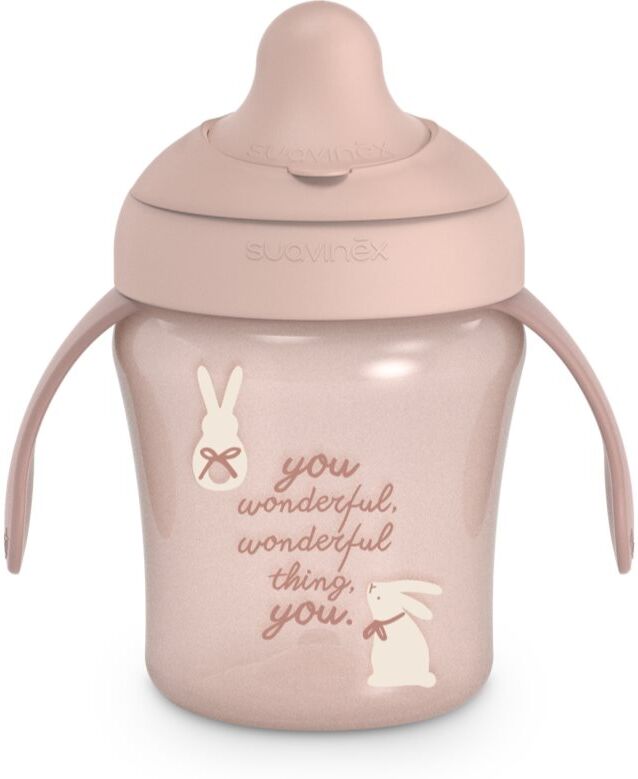
Suavinex Wonderland Learning Cup tasse d’apprentissage Pink 200 mlSuavinex Wonderland Learning Cup, 200 ml, Tasses pour enfants pour enfant, Vous voulez que votre enfant développe la bonne habitude de s’hydrater régulièrement ? La tasse pour enfant Suavinex Wonderland Learning Cup, adaptée aux petites mains des enfants, vous facilitera la tâche. En outre, son design amusant plaire à votre enfant Le produit : lavable au lave-vaisselle bec souple ne se renverse pas format pratique facile à nettoyer les poignées sont parfaitement adaptée aux mains des petits enfants permet de passer facilement et rapidement du biberon à la tasse en silicone doux pour les dents et les gencives des enfants Mode d’emploi : Le système de fermeture à 360° de cette tasse n’est pas anti-gouttes. Dans le cas de cette tasse, si la membrane venait à être trop serrée, elle empêcherait le bébé de boire correctement. Les gouttes qui s’écoulent lorsque la tasse est inclinée sont donc un phénomène normal. Lavable au lave-vaisselle.10,00 €*Shipping: 3,45 €Secure redirect to the provider



-
What is the calculation for interest calculation?
The calculation for interest calculation depends on the type of interest being calculated. For simple interest, the formula is: Interest = Principal x Rate x Time. For compound interest, the formula is: A = P(1 + r/n)^(nt), where A is the amount of money accumulated after n years, including interest, P is the principal amount, r is the annual interest rate, n is the number of times that interest is compounded per year, and t is the time the money is invested for in years. **
-
What is the calculation method for this calculation?
The calculation method for this calculation involves multiplying the given numbers together. This is a basic multiplication calculation where you take one number and multiply it by another number to find the product. The result is the answer to the calculation. **
-
What is the difference between sales calculation, purchase calculation, and differential calculation in accounting?
Sales calculation in accounting refers to the process of determining the total revenue generated from the sale of goods or services. Purchase calculation, on the other hand, involves calculating the total cost of goods or services purchased by a company. Differential calculation in accounting is the process of determining the difference between two values, such as the difference between sales and purchases, or the difference between two time periods. Each of these calculations serves a different purpose in financial analysis and helps businesses understand their financial performance. **
-
Is my Excel price calculation using differential calculation correct?
To determine if your Excel price calculation using differential calculation is correct, you should first verify that the formulas and references used in the calculation are accurate. Check that the differential calculation is applied correctly and that the input values are accurate. Additionally, you can cross-check the results with manual calculations or use sample data to validate the accuracy of the calculation. It's also important to consider any specific requirements or constraints related to the pricing model to ensure that the calculation aligns with the intended methodology. **
How does calculation and percentage calculation work in math?
Calculation in math involves performing operations such as addition, subtraction, multiplication, and division to find the result of a mathematical expression or problem. Percentage calculation involves finding a portion of a whole expressed as a percentage. To calculate a percentage, you divide the part by the whole and then multiply by 100 to get the percentage. These calculations are fundamental in many areas of math and everyday life, such as finance, science, and engineering. **
What is the calculation method for the calculation problem?
The calculation method for the calculation problem involves determining the optimal allocation of resources in an economy to maximize efficiency and productivity. This method typically involves using mathematical models and economic data to analyze the production possibilities and trade-offs between different goods and services. By comparing the costs and benefits of different production decisions, the calculation method aims to find the most efficient use of resources to satisfy consumer demand and achieve economic growth. This method is often used in the context of centrally planned economies to address the challenge of efficiently allocating resources without the use of market prices. **
Top-Angebote
Products related to Calculation:
-
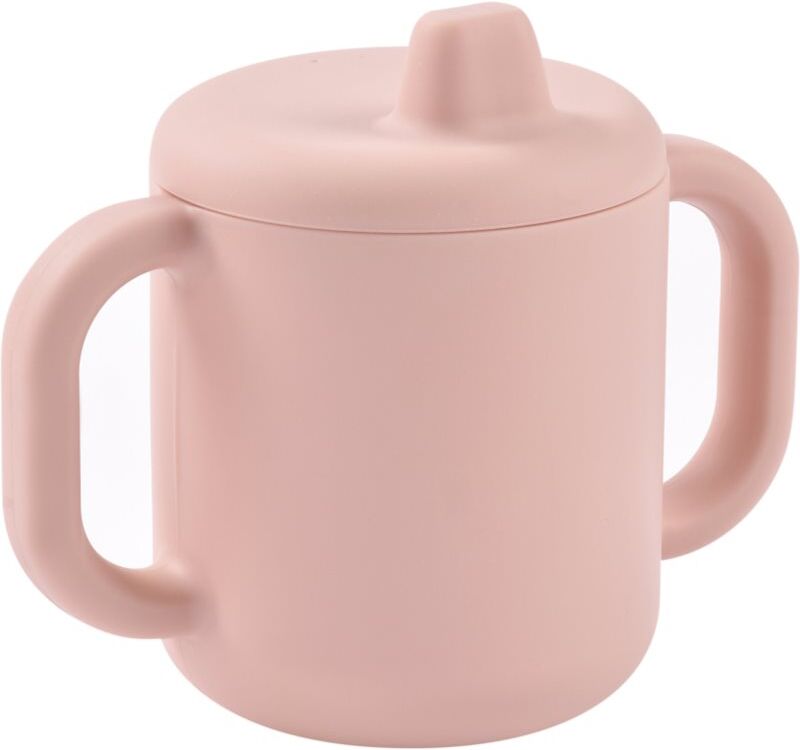
Beaba Silicone Learning Cup tasse Pink 170 mlBeaba Silicone Learning Cup, 170 ml, Tasses pour enfants pour enfant, Vous voulez que votre enfant développe la bonne habitude de s’hydrater régulièrement ? La tasse pour enfant Beaba Silicone Learning Cup , adaptée aux petites mains des enfants, vous facilitera la tâche. En outre, son design amusant plaire à votre enfant Le produit : idéal pour voyager lavable au lave-vaisselle bec souple format pratique avec poignées avec une tétine résistante aux morsures facile à nettoyer facile à assembler tasse d’apprentissage les poignées sont parfaitement adaptée aux mains des petits enfants en silicone doux pour les dents et les gencives des enfants Matériaux : sans bisphénol A sans phtalates silicone Mode d’emploi : Lavable au lave-vaisselle.16,90 €*Shipping: 3,45 €Secure redirect to the provider
-
Suavinex Wonderland Learning Cup tasse d’apprentissage Rose 1 pcsSuavinex Wonderland Learning Cup, 1 pcs, Tasses pour enfants pour enfant, Vous voulez que votre enfant développe la bonne habitude de s’hydrater régulièrement ? La tasse pour enfant Suavinex Wonderland Learning Cup, adaptée aux petites mains des enfants, vous facilitera la tâche. En outre, son design amusant plaire à votre enfant Le produit : ne se renverse pas format pratique idéal pour voyager avec poignées les poignées sont parfaitement adaptée aux mains des petits enfants permet de passer facilement et rapidement du biberon à la tasse bec souple lavable au lave-vaisselle Matériaux : sans bisphénol A Mode d’emploi : Le système de fermeture à 360° de cette tasse n’est pas anti-gouttes. Dans le cas de cette tasse, si la membrane venait à être trop serrée, elle empêcherait le bébé de boire correctement. Les gouttes qui s’écoulent lorsque la tasse est inclinée sont donc un phénomène normal.8,20 €*Shipping: 3,45 €Secure redirect to the provider
-
NUK Easy Learning Spoons cuillère pour enfant 2 pcsNUK Easy Learning Spoons, 2 pcs, Couverts pour enfants pour enfant, Les repas sont encore meilleurs lorsqu’ils sont servis sur une belle assiette. La vaisselle pour enfants NUK Easy Learning Spoons est fabriquée à partir d’un matériel durable de haute qualité, est facile à laver et son design amusant divertira les enfants, pour que les repas soient des moments encore plus agréables. Le produit : matériel de qualité facile à saisir idéal pour apprendre à manger de manière autonome Composition du produit : plastique5,22 €*Shipping: 3,45 €Secure redirect to the provider
-
Suavinex Wonderland Learning Cup tasse d’apprentissage Green 200 mlSuavinex Wonderland Learning Cup, 200 ml, Tasses pour enfants pour enfant, Vous voulez que votre enfant développe la bonne habitude de s’hydrater régulièrement ? La tasse pour enfant Suavinex Wonderland Learning Cup, adaptée aux petites mains des enfants, vous facilitera la tâche. En outre, son design amusant plaire à votre enfant Le produit : lavable au lave-vaisselle bec souple ne se renverse pas format pratique facile à nettoyer les poignées sont parfaitement adaptée aux mains des petits enfants permet de passer facilement et rapidement du biberon à la tasse en silicone doux pour les dents et les gencives des enfants Mode d’emploi : Le système de fermeture à 360° de cette tasse n’est pas anti-gouttes. Dans le cas de cette tasse, si la membrane venait à être trop serrée, elle empêcherait le bébé de boire correctement. Les gouttes qui s’écoulent lorsque la tasse est inclinée sont donc un phénomène normal. Lavable au lave-vaisselle.10,00 €*Shipping: 3,45 €Secure redirect to the provider
-
How is the calculation of university admission done?
University admission is typically calculated based on a combination of factors such as high school grades, standardized test scores, letters of recommendation, personal essays, and extracurricular activities. Each university has its own specific criteria for admission, and some may also consider factors such as interviews or portfolios for certain programs. Admissions committees review all of these materials to assess a student's academic abilities, personal qualities, and potential for success at their institution. Ultimately, the goal is to select students who will contribute positively to the university community and thrive academically. **
-
What are the calculation surcharge, the calculation factor, and the calculation discount?
The calculation surcharge is an additional fee or charge added to the total cost of a product or service. It is typically applied when there are additional costs incurred in the calculation process, such as handling fees or special circumstances. The calculation factor is a multiplier or percentage used to adjust the calculated amount. It is often used to account for fluctuations in costs, changes in market conditions, or to apply a standard markup or discount. The calculation discount is a reduction in the calculated amount, typically applied as a percentage or fixed amount to lower the total cost. It is often used as an incentive to encourage customers to make a purchase or to reward loyalty. **
-
What is the calculation for interest calculation?
The calculation for interest calculation depends on the type of interest being calculated. For simple interest, the formula is: Interest = Principal x Rate x Time. For compound interest, the formula is: A = P(1 + r/n)^(nt), where A is the amount of money accumulated after n years, including interest, P is the principal amount, r is the annual interest rate, n is the number of times that interest is compounded per year, and t is the time the money is invested for in years. **
-
What is the calculation method for this calculation?
The calculation method for this calculation involves multiplying the given numbers together. This is a basic multiplication calculation where you take one number and multiply it by another number to find the product. The result is the answer to the calculation. **
Similar search terms for Calculation
-
Mushie Learning Toothbrush brosse à dents Flower Blush 1 pcsMushie Learning Toothbrush, 1 pcs, Brosses à dents pour enfants pour enfant, La brosse à dents Mushie Learning Toothbrush permet aux enfants de mettre en place de bonnes habitudes d’hygiène dentaire. Grâce à son design amusant, le brossage des dents devient un véritable jeu. Le produit : design amusant pour les enfants facile à tenir dans la main très respectueux des gencives design original Mode d’emploi : Appliquez sur la brosse à dents, humidifiez, brossez vos dents et la cavité buccale. Rincez parfaitement.10,50 €*Shipping: 3,45 €Secure redirect to the provider
-
Suavinex Wonderland Learning Cup tasse d’apprentissage Pink 200 mlSuavinex Wonderland Learning Cup, 200 ml, Tasses pour enfants pour enfant, Vous voulez que votre enfant développe la bonne habitude de s’hydrater régulièrement ? La tasse pour enfant Suavinex Wonderland Learning Cup, adaptée aux petites mains des enfants, vous facilitera la tâche. En outre, son design amusant plaire à votre enfant Le produit : lavable au lave-vaisselle bec souple ne se renverse pas format pratique facile à nettoyer les poignées sont parfaitement adaptée aux mains des petits enfants permet de passer facilement et rapidement du biberon à la tasse en silicone doux pour les dents et les gencives des enfants Mode d’emploi : Le système de fermeture à 360° de cette tasse n’est pas anti-gouttes. Dans le cas de cette tasse, si la membrane venait à être trop serrée, elle empêcherait le bébé de boire correctement. Les gouttes qui s’écoulent lorsque la tasse est inclinée sont donc un phénomène normal. Lavable au lave-vaisselle.10,00 €*Shipping: 3,45 €Secure redirect to the provider
-
What is the difference between sales calculation, purchase calculation, and differential calculation in accounting?
Sales calculation in accounting refers to the process of determining the total revenue generated from the sale of goods or services. Purchase calculation, on the other hand, involves calculating the total cost of goods or services purchased by a company. Differential calculation in accounting is the process of determining the difference between two values, such as the difference between sales and purchases, or the difference between two time periods. Each of these calculations serves a different purpose in financial analysis and helps businesses understand their financial performance. **
-
Is my Excel price calculation using differential calculation correct?
To determine if your Excel price calculation using differential calculation is correct, you should first verify that the formulas and references used in the calculation are accurate. Check that the differential calculation is applied correctly and that the input values are accurate. Additionally, you can cross-check the results with manual calculations or use sample data to validate the accuracy of the calculation. It's also important to consider any specific requirements or constraints related to the pricing model to ensure that the calculation aligns with the intended methodology. **
-
How does calculation and percentage calculation work in math?
Calculation in math involves performing operations such as addition, subtraction, multiplication, and division to find the result of a mathematical expression or problem. Percentage calculation involves finding a portion of a whole expressed as a percentage. To calculate a percentage, you divide the part by the whole and then multiply by 100 to get the percentage. These calculations are fundamental in many areas of math and everyday life, such as finance, science, and engineering. **
-
What is the calculation method for the calculation problem?
The calculation method for the calculation problem involves determining the optimal allocation of resources in an economy to maximize efficiency and productivity. This method typically involves using mathematical models and economic data to analyze the production possibilities and trade-offs between different goods and services. By comparing the costs and benefits of different production decisions, the calculation method aims to find the most efficient use of resources to satisfy consumer demand and achieve economic growth. This method is often used in the context of centrally planned economies to address the challenge of efficiently allocating resources without the use of market prices. **
* All prices are inclusive of VAT and, if applicable, plus shipping costs. The offer information is based on the details provided by the respective shop and is updated through automated processes. Real-time updates do not occur, so deviations can occur in individual cases. ** Note: Parts of this content were created by AI.