Buy université.be ?
We are moving the project
université.be .
Are you interested in purchasing the domain
université.be ?
domain@kv-gmbh.de · 0541-91531010
Buy université.be ?
What is Artemia salt?
Artemia salt, also known as brine shrimp salt, is a type of salt used to create a suitable environment for hatching and raising brine shrimp, also known as Artemia. It is a specific blend of salts and minerals that mimics the natural habitat of brine shrimp, providing the necessary conditions for their growth and development. Artemia salt is commonly used by aquarists and fish breeders to provide a nutritious live food source for fish and other aquatic animals. **
How can I raise Artemia?
To raise Artemia, also known as brine shrimp, you will need a container with saltwater, aeration system, and Artemia cysts. Start by hatching the cysts in the saltwater under a light source. After 24-48 hours, the nauplii will hatch and can be fed with algae or commercial food. Regular water changes and monitoring of temperature and salinity levels are essential for the successful growth of Artemia. **

Similar search terms for Artemia
Top-Angebote
Products related to Artemia:
-
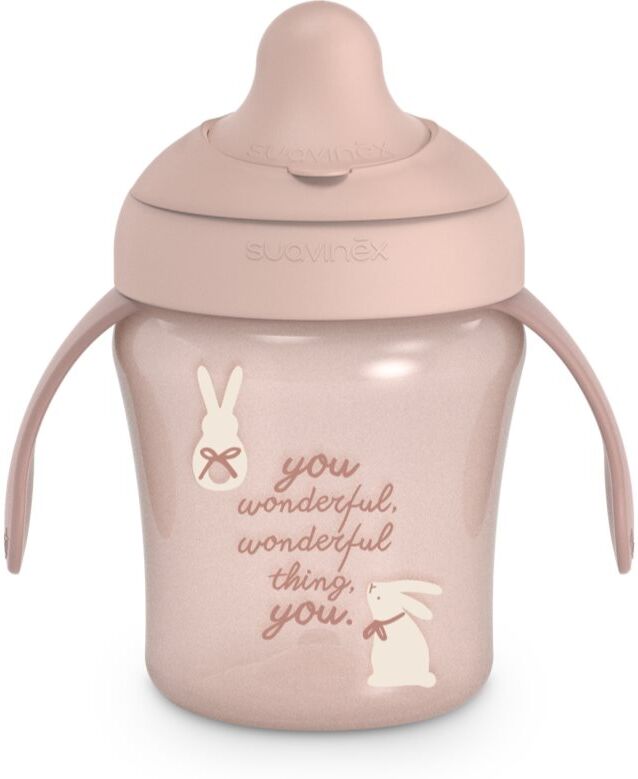
Suavinex Wonderland Learning Cup tasse d’apprentissage Pink 200 mlSuavinex Wonderland Learning Cup, 200 ml, Tasses pour enfants pour enfant, Vous voulez que votre enfant développe la bonne habitude de s’hydrater régulièrement ? La tasse pour enfant Suavinex Wonderland Learning Cup, adaptée aux petites mains des enfants, vous facilitera la tâche. En outre, son design amusant plaire à votre enfant Le produit : lavable au lave-vaisselle bec souple ne se renverse pas format pratique facile à nettoyer les poignées sont parfaitement adaptée aux mains des petits enfants permet de passer facilement et rapidement du biberon à la tasse en silicone doux pour les dents et les gencives des enfants Mode d’emploi : Le système de fermeture à 360° de cette tasse n’est pas anti-gouttes. Dans le cas de cette tasse, si la membrane venait à être trop serrée, elle empêcherait le bébé de boire correctement. Les gouttes qui s’écoulent lorsque la tasse est inclinée sont donc un phénomène normal. Lavable au lave-vaisselle.9,50 €*Shipping: 3,45 €Secure redirect to the provider
-
What are the instructions for hatching Artemia?
To hatch Artemia, also known as brine shrimp, you will need a container, aquarium salt, aeration system, and Artemia cysts. Fill the container with saltwater at a specific gravity of 1.018-1.020 using aquarium salt. Add the Artemia cysts to the water and place the container in a well-lit area with aeration. After 24-36 hours, the Artemia should hatch and be ready to feed to your aquatic pets. Remember to rinse the hatched Artemia before feeding them to remove any excess salt. **
-
What is the instructions for hatching Artemia?
To hatch Artemia, also known as brine shrimp, you will need to add the Artemia cysts to a container of saltwater. The water should be at a specific salinity level, around 25-35 ppt. Aerate the water using an air pump to provide oxygen for the developing shrimp. Keep the container in a warm place, around 25-30°C, and within 24-48 hours, the Artemia should hatch and be ready to feed to your aquatic animals. Remember to rinse the hatched Artemia before feeding to remove any remaining cyst shells. **
-
Why do brine shrimp (Artemia) die overnight?
Brine shrimp (Artemia) are known to die overnight due to a lack of oxygen in the water. As the shrimp consume oxygen during respiration, the levels of dissolved oxygen in the water can become depleted, leading to suffocation and death. Additionally, the accumulation of waste products in the water can also contribute to poor water quality, further stressing the shrimp and causing mortality. It is important to maintain proper aeration and water quality in the shrimp tank to ensure their survival. **
-
What is the instruction for hatching Artemia?
To hatch Artemia, you will need to add saltwater to a container and then add Artemia cysts to the water. The water should be aerated and kept at a specific temperature, usually around 25-30 degrees Celsius. After about 24-48 hours, the Artemia will hatch, and you can feed them to your aquatic animals. It's important to follow the instructions on the Artemia packaging for the best results. **
Is it possible to feed newly hatched axolotls without breeding Artemia yourself?
Yes, it is possible to feed newly hatched axolotls without breeding Artemia yourself. There are commercially available liquid and powdered foods specifically designed for feeding young axolotls, such as liquid fry food or powdered brine shrimp. These foods are formulated to provide the necessary nutrients for the axolotls' growth and development. It is important to ensure that the food provided is small enough for the axolotls to consume easily. **
Is it possible to feed freshly hatched axolotls without breeding Artemia yourself?
Yes, it is possible to feed freshly hatched axolotls without breeding Artemia yourself. There are commercially available alternatives such as liquid or powdered fry food specifically designed for young axolotls. These foods are formulated to provide the necessary nutrients for the axolotls to grow and thrive. Additionally, small live or frozen foods like daphnia, bloodworms, or brine shrimp can also be suitable options for feeding young axolotls. **
Top-Angebote
Products related to Artemia:
-
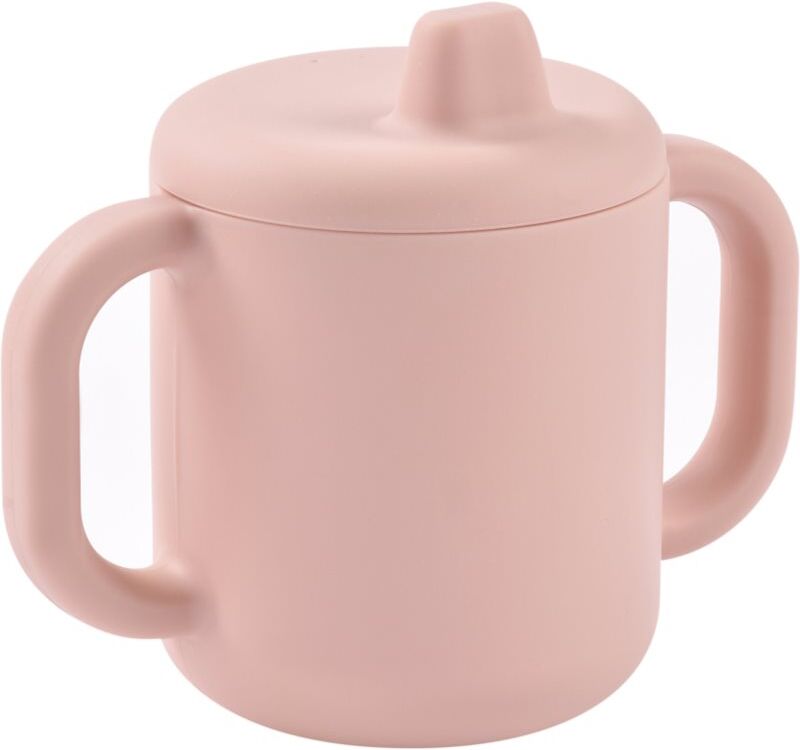
Beaba Silicone Learning Cup tasse Pink 170 mlBeaba Silicone Learning Cup, 170 ml, Tasses pour enfants pour enfant, Vous voulez que votre enfant développe la bonne habitude de s’hydrater régulièrement ? La tasse pour enfant Beaba Silicone Learning Cup , adaptée aux petites mains des enfants, vous facilitera la tâche. En outre, son design amusant plaire à votre enfant Le produit : idéal pour voyager lavable au lave-vaisselle bec souple format pratique avec poignées avec une tétine résistante aux morsures facile à nettoyer facile à assembler tasse d’apprentissage les poignées sont parfaitement adaptée aux mains des petits enfants en silicone doux pour les dents et les gencives des enfants Matériaux : sans bisphénol A sans phtalates silicone Mode d’emploi : Lavable au lave-vaisselle.16,90 €*Shipping: 3,45 €Secure redirect to the provider
-
Suavinex Wonderland Learning Cup tasse d’apprentissage Green 200 mlSuavinex Wonderland Learning Cup, 200 ml, Tasses pour enfants pour enfant, Vous voulez que votre enfant développe la bonne habitude de s’hydrater régulièrement ? La tasse pour enfant Suavinex Wonderland Learning Cup, adaptée aux petites mains des enfants, vous facilitera la tâche. En outre, son design amusant plaire à votre enfant Le produit : lavable au lave-vaisselle bec souple ne se renverse pas format pratique facile à nettoyer les poignées sont parfaitement adaptée aux mains des petits enfants permet de passer facilement et rapidement du biberon à la tasse en silicone doux pour les dents et les gencives des enfants Mode d’emploi : Le système de fermeture à 360° de cette tasse n’est pas anti-gouttes. Dans le cas de cette tasse, si la membrane venait à être trop serrée, elle empêcherait le bébé de boire correctement. Les gouttes qui s’écoulent lorsque la tasse est inclinée sont donc un phénomène normal. Lavable au lave-vaisselle.9,50 €*Shipping: 3,45 €Secure redirect to the provider
-
Suavinex Wonderland Learning Cup tasse d’apprentissage Pink 200 mlSuavinex Wonderland Learning Cup, 200 ml, Tasses pour enfants pour enfant, Vous voulez que votre enfant développe la bonne habitude de s’hydrater régulièrement ? La tasse pour enfant Suavinex Wonderland Learning Cup, adaptée aux petites mains des enfants, vous facilitera la tâche. En outre, son design amusant plaire à votre enfant Le produit : lavable au lave-vaisselle bec souple ne se renverse pas format pratique facile à nettoyer les poignées sont parfaitement adaptée aux mains des petits enfants permet de passer facilement et rapidement du biberon à la tasse en silicone doux pour les dents et les gencives des enfants Mode d’emploi : Le système de fermeture à 360° de cette tasse n’est pas anti-gouttes. Dans le cas de cette tasse, si la membrane venait à être trop serrée, elle empêcherait le bébé de boire correctement. Les gouttes qui s’écoulent lorsque la tasse est inclinée sont donc un phénomène normal. Lavable au lave-vaisselle.9,50 €*Shipping: 3,45 €Secure redirect to the provider
-
What is Artemia salt?
Artemia salt, also known as brine shrimp salt, is a type of salt used to create a suitable environment for hatching and raising brine shrimp, also known as Artemia. It is a specific blend of salts and minerals that mimics the natural habitat of brine shrimp, providing the necessary conditions for their growth and development. Artemia salt is commonly used by aquarists and fish breeders to provide a nutritious live food source for fish and other aquatic animals. **
-
How can I raise Artemia?
To raise Artemia, also known as brine shrimp, you will need a container with saltwater, aeration system, and Artemia cysts. Start by hatching the cysts in the saltwater under a light source. After 24-48 hours, the nauplii will hatch and can be fed with algae or commercial food. Regular water changes and monitoring of temperature and salinity levels are essential for the successful growth of Artemia. **
-
What are the instructions for hatching Artemia?
To hatch Artemia, also known as brine shrimp, you will need a container, aquarium salt, aeration system, and Artemia cysts. Fill the container with saltwater at a specific gravity of 1.018-1.020 using aquarium salt. Add the Artemia cysts to the water and place the container in a well-lit area with aeration. After 24-36 hours, the Artemia should hatch and be ready to feed to your aquatic pets. Remember to rinse the hatched Artemia before feeding them to remove any excess salt. **
-
What is the instructions for hatching Artemia?
To hatch Artemia, also known as brine shrimp, you will need to add the Artemia cysts to a container of saltwater. The water should be at a specific salinity level, around 25-35 ppt. Aerate the water using an air pump to provide oxygen for the developing shrimp. Keep the container in a warm place, around 25-30°C, and within 24-48 hours, the Artemia should hatch and be ready to feed to your aquatic animals. Remember to rinse the hatched Artemia before feeding to remove any remaining cyst shells. **
Similar search terms for Artemia
-
Why do brine shrimp (Artemia) die overnight?
Brine shrimp (Artemia) are known to die overnight due to a lack of oxygen in the water. As the shrimp consume oxygen during respiration, the levels of dissolved oxygen in the water can become depleted, leading to suffocation and death. Additionally, the accumulation of waste products in the water can also contribute to poor water quality, further stressing the shrimp and causing mortality. It is important to maintain proper aeration and water quality in the shrimp tank to ensure their survival. **
-
What is the instruction for hatching Artemia?
To hatch Artemia, you will need to add saltwater to a container and then add Artemia cysts to the water. The water should be aerated and kept at a specific temperature, usually around 25-30 degrees Celsius. After about 24-48 hours, the Artemia will hatch, and you can feed them to your aquatic animals. It's important to follow the instructions on the Artemia packaging for the best results. **
-
Is it possible to feed newly hatched axolotls without breeding Artemia yourself?
Yes, it is possible to feed newly hatched axolotls without breeding Artemia yourself. There are commercially available liquid and powdered foods specifically designed for feeding young axolotls, such as liquid fry food or powdered brine shrimp. These foods are formulated to provide the necessary nutrients for the axolotls' growth and development. It is important to ensure that the food provided is small enough for the axolotls to consume easily. **
-
Is it possible to feed freshly hatched axolotls without breeding Artemia yourself?
Yes, it is possible to feed freshly hatched axolotls without breeding Artemia yourself. There are commercially available alternatives such as liquid or powdered fry food specifically designed for young axolotls. These foods are formulated to provide the necessary nutrients for the axolotls to grow and thrive. Additionally, small live or frozen foods like daphnia, bloodworms, or brine shrimp can also be suitable options for feeding young axolotls. **
* All prices are inclusive of VAT and, if applicable, plus shipping costs. The offer information is based on the details provided by the respective shop and is updated through automated processes. Real-time updates do not occur, so deviations can occur in individual cases. ** Note: Parts of this content were created by AI.