Buy université.be ?
We are moving the project
université.be .
Are you interested in purchasing the domain
université.be ?
domain@kv-gmbh.de · 0541-91531010
Buy université.be ?
What are typical questions in sex education?
Typical questions in sex education may include inquiries about reproductive anatomy, contraception methods, sexually transmitted infections, consent, healthy relationships, and sexual orientation. Students may also ask about puberty, menstruation, and sexual health practices. Additionally, questions about gender identity, sexual orientation, and diversity in sexual experiences are becoming more common in comprehensive sex education programs. **
What does a typical day at university look like?
A typical day at university usually involves attending classes, studying, completing assignments, and participating in extracurricular activities. Students may have a mix of lectures, seminars, and practical sessions throughout the day, with breaks in between for meals and socializing. They may also spend time in the library or other study spaces to work on assignments or prepare for exams. Additionally, some students may have part-time jobs or internships that they balance with their academic responsibilities. Overall, a day at university is usually busy and filled with a variety of academic and social activities. **

Similar search terms for Typical
Top-Angebote
Products related to Typical:
-
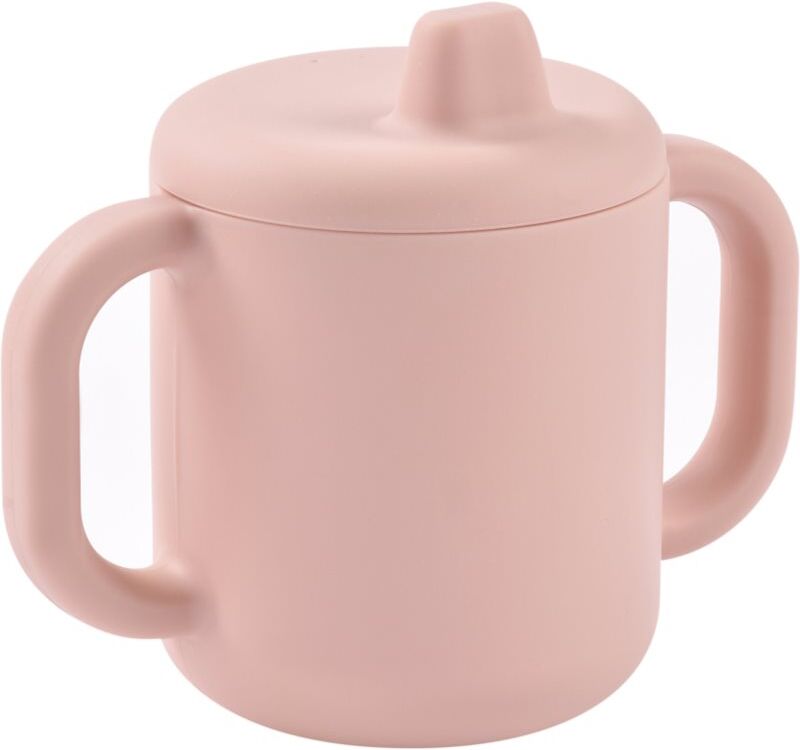
Suavinex Wonderland Learning Cup tasse d’apprentissage Rose 1 pcsSuavinex Wonderland Learning Cup, 1 pcs, Tasses pour enfants pour enfant, Vous voulez que votre enfant développe la bonne habitude de s’hydrater régulièrement ? La tasse pour enfant Suavinex Wonderland Learning Cup, adaptée aux petites mains des enfants, vous facilitera la tâche. En outre, son design amusant plaire à votre enfant Le produit : ne se renverse pas format pratique idéal pour voyager avec poignées les poignées sont parfaitement adaptée aux mains des petits enfants permet de passer facilement et rapidement du biberon à la tasse bec souple lavable au lave-vaisselle Matériaux : sans bisphénol A Mode d’emploi : Le système de fermeture à 360° de cette tasse n’est pas anti-gouttes. Dans le cas de cette tasse, si la membrane venait à être trop serrée, elle empêcherait le bébé de boire correctement. Les gouttes qui s’écoulent lorsque la tasse est inclinée sont donc un phénomène normal.8,20 €*Shipping: 3,45 €Secure redirect to the provider
-
Suavinex Wonderland Learning Cup tasse d’apprentissage Pink 200 mlSuavinex Wonderland Learning Cup, 200 ml, Tasses pour enfants pour enfant, Vous voulez que votre enfant développe la bonne habitude de s’hydrater régulièrement ? La tasse pour enfant Suavinex Wonderland Learning Cup, adaptée aux petites mains des enfants, vous facilitera la tâche. En outre, son design amusant plaire à votre enfant Le produit : lavable au lave-vaisselle bec souple ne se renverse pas format pratique facile à nettoyer les poignées sont parfaitement adaptée aux mains des petits enfants permet de passer facilement et rapidement du biberon à la tasse en silicone doux pour les dents et les gencives des enfants Mode d’emploi : Le système de fermeture à 360° de cette tasse n’est pas anti-gouttes. Dans le cas de cette tasse, si la membrane venait à être trop serrée, elle empêcherait le bébé de boire correctement. Les gouttes qui s’écoulent lorsque la tasse est inclinée sont donc un phénomène normal. Lavable au lave-vaisselle.9,50 €*Shipping: 3,45 €Secure redirect to the provider


-
How long does a typical day at university usually last?
A typical day at university usually lasts from morning to late afternoon or early evening, depending on the class schedule. Most universities have classes scheduled from around 8 or 9 am to 3 or 4 pm, with breaks in between for lunch and other activities. However, some students may have evening classes or other commitments that extend their day on campus. Overall, a typical day at university can range from 6-8 hours, not including study time or extracurricular activities. **
-
What is typical Polish?
Typical Polish cuisine is known for its hearty and comforting dishes such as pierogi (dumplings), bigos (hunter's stew), and kielbasa (sausage). Traditional Polish culture values family, hospitality, and a strong sense of community. Polish people are often described as hardworking, resilient, and proud of their history and heritage. The Polish language, which is Slavic in origin, is an important part of the country's identity. **
-
How typical are sweets?
Sweets are a common indulgence enjoyed by people all over the world. They are often consumed as a treat or dessert and can be found in various forms such as candies, chocolates, cakes, and pastries. While some cultures may have different preferences when it comes to sweets, they are generally considered a typical part of many diets and celebrations. However, it is important to consume sweets in moderation as they are often high in sugar and calories. **
-
What is typical Danish?
Typical Danish culture is known for its emphasis on simplicity, functionality, and minimalism in design and lifestyle. Danish cuisine often includes dishes such as smørrebrød (open-faced sandwiches), herring, and pastries like wienerbrød (Danish pastry). Danes also value a strong sense of community and social equality, as well as a love for outdoor activities and nature. Additionally, the concept of "hygge" (coziness and contentment) is an important aspect of Danish culture, emphasizing the importance of enjoying simple pleasures and quality time with loved ones. **
What is typical fraud?
Typical fraud involves intentional deception for personal or financial gain. This can include activities such as identity theft, credit card fraud, insurance fraud, and investment scams. In these cases, individuals or organizations misrepresent themselves or their intentions in order to obtain money, goods, or services through deceitful means. Typical fraud often involves a breach of trust and can have serious legal and financial consequences for the victims. **
What are typical excuses?
Typical excuses are reasons or justifications that people give to avoid taking responsibility for their actions or to avoid doing something they don't want to do. Some common excuses include blaming others, lack of time, lack of resources, fear of failure, or simply not feeling like doing something. Excuses can often be a way for individuals to avoid facing challenges or uncomfortable situations. **
Top-Angebote
Products related to Typical:
-
Beaba Silicone Learning Cup tasse Pink 170 mlBeaba Silicone Learning Cup, 170 ml, Tasses pour enfants pour enfant, Vous voulez que votre enfant développe la bonne habitude de s’hydrater régulièrement ? La tasse pour enfant Beaba Silicone Learning Cup , adaptée aux petites mains des enfants, vous facilitera la tâche. En outre, son design amusant plaire à votre enfant Le produit : idéal pour voyager lavable au lave-vaisselle bec souple format pratique avec poignées avec une tétine résistante aux morsures facile à nettoyer facile à assembler tasse d’apprentissage les poignées sont parfaitement adaptée aux mains des petits enfants en silicone doux pour les dents et les gencives des enfants Matériaux : sans bisphénol A sans phtalates silicone Mode d’emploi : Lavable au lave-vaisselle.16,90 €*Shipping: 3,45 €Secure redirect to the provider
-
Suavinex Wonderland Learning Cup tasse d’apprentissage Green 200 mlSuavinex Wonderland Learning Cup, 200 ml, Tasses pour enfants pour enfant, Vous voulez que votre enfant développe la bonne habitude de s’hydrater régulièrement ? La tasse pour enfant Suavinex Wonderland Learning Cup, adaptée aux petites mains des enfants, vous facilitera la tâche. En outre, son design amusant plaire à votre enfant Le produit : lavable au lave-vaisselle bec souple ne se renverse pas format pratique facile à nettoyer les poignées sont parfaitement adaptée aux mains des petits enfants permet de passer facilement et rapidement du biberon à la tasse en silicone doux pour les dents et les gencives des enfants Mode d’emploi : Le système de fermeture à 360° de cette tasse n’est pas anti-gouttes. Dans le cas de cette tasse, si la membrane venait à être trop serrée, elle empêcherait le bébé de boire correctement. Les gouttes qui s’écoulent lorsque la tasse est inclinée sont donc un phénomène normal. Lavable au lave-vaisselle.9,50 €*Shipping: 3,45 €Secure redirect to the provider
-
Suavinex Wonderland Learning Cup tasse d’apprentissage Rose 1 pcsSuavinex Wonderland Learning Cup, 1 pcs, Tasses pour enfants pour enfant, Vous voulez que votre enfant développe la bonne habitude de s’hydrater régulièrement ? La tasse pour enfant Suavinex Wonderland Learning Cup, adaptée aux petites mains des enfants, vous facilitera la tâche. En outre, son design amusant plaire à votre enfant Le produit : ne se renverse pas format pratique idéal pour voyager avec poignées les poignées sont parfaitement adaptée aux mains des petits enfants permet de passer facilement et rapidement du biberon à la tasse bec souple lavable au lave-vaisselle Matériaux : sans bisphénol A Mode d’emploi : Le système de fermeture à 360° de cette tasse n’est pas anti-gouttes. Dans le cas de cette tasse, si la membrane venait à être trop serrée, elle empêcherait le bébé de boire correctement. Les gouttes qui s’écoulent lorsque la tasse est inclinée sont donc un phénomène normal.8,20 €*Shipping: 3,45 €Secure redirect to the provider
-
Suavinex Wonderland Learning Cup tasse d’apprentissage Pink 200 mlSuavinex Wonderland Learning Cup, 200 ml, Tasses pour enfants pour enfant, Vous voulez que votre enfant développe la bonne habitude de s’hydrater régulièrement ? La tasse pour enfant Suavinex Wonderland Learning Cup, adaptée aux petites mains des enfants, vous facilitera la tâche. En outre, son design amusant plaire à votre enfant Le produit : lavable au lave-vaisselle bec souple ne se renverse pas format pratique facile à nettoyer les poignées sont parfaitement adaptée aux mains des petits enfants permet de passer facilement et rapidement du biberon à la tasse en silicone doux pour les dents et les gencives des enfants Mode d’emploi : Le système de fermeture à 360° de cette tasse n’est pas anti-gouttes. Dans le cas de cette tasse, si la membrane venait à être trop serrée, elle empêcherait le bébé de boire correctement. Les gouttes qui s’écoulent lorsque la tasse est inclinée sont donc un phénomène normal. Lavable au lave-vaisselle.9,50 €*Shipping: 3,45 €Secure redirect to the provider
-
What are typical questions in sex education?
Typical questions in sex education may include inquiries about reproductive anatomy, contraception methods, sexually transmitted infections, consent, healthy relationships, and sexual orientation. Students may also ask about puberty, menstruation, and sexual health practices. Additionally, questions about gender identity, sexual orientation, and diversity in sexual experiences are becoming more common in comprehensive sex education programs. **
-
What does a typical day at university look like?
A typical day at university usually involves attending classes, studying, completing assignments, and participating in extracurricular activities. Students may have a mix of lectures, seminars, and practical sessions throughout the day, with breaks in between for meals and socializing. They may also spend time in the library or other study spaces to work on assignments or prepare for exams. Additionally, some students may have part-time jobs or internships that they balance with their academic responsibilities. Overall, a day at university is usually busy and filled with a variety of academic and social activities. **
-
How long does a typical day at university usually last?
A typical day at university usually lasts from morning to late afternoon or early evening, depending on the class schedule. Most universities have classes scheduled from around 8 or 9 am to 3 or 4 pm, with breaks in between for lunch and other activities. However, some students may have evening classes or other commitments that extend their day on campus. Overall, a typical day at university can range from 6-8 hours, not including study time or extracurricular activities. **
-
What is typical Polish?
Typical Polish cuisine is known for its hearty and comforting dishes such as pierogi (dumplings), bigos (hunter's stew), and kielbasa (sausage). Traditional Polish culture values family, hospitality, and a strong sense of community. Polish people are often described as hardworking, resilient, and proud of their history and heritage. The Polish language, which is Slavic in origin, is an important part of the country's identity. **
Similar search terms for Typical
-
How typical are sweets?
Sweets are a common indulgence enjoyed by people all over the world. They are often consumed as a treat or dessert and can be found in various forms such as candies, chocolates, cakes, and pastries. While some cultures may have different preferences when it comes to sweets, they are generally considered a typical part of many diets and celebrations. However, it is important to consume sweets in moderation as they are often high in sugar and calories. **
-
What is typical Danish?
Typical Danish culture is known for its emphasis on simplicity, functionality, and minimalism in design and lifestyle. Danish cuisine often includes dishes such as smørrebrød (open-faced sandwiches), herring, and pastries like wienerbrød (Danish pastry). Danes also value a strong sense of community and social equality, as well as a love for outdoor activities and nature. Additionally, the concept of "hygge" (coziness and contentment) is an important aspect of Danish culture, emphasizing the importance of enjoying simple pleasures and quality time with loved ones. **
-
What is typical fraud?
Typical fraud involves intentional deception for personal or financial gain. This can include activities such as identity theft, credit card fraud, insurance fraud, and investment scams. In these cases, individuals or organizations misrepresent themselves or their intentions in order to obtain money, goods, or services through deceitful means. Typical fraud often involves a breach of trust and can have serious legal and financial consequences for the victims. **
-
What are typical excuses?
Typical excuses are reasons or justifications that people give to avoid taking responsibility for their actions or to avoid doing something they don't want to do. Some common excuses include blaming others, lack of time, lack of resources, fear of failure, or simply not feeling like doing something. Excuses can often be a way for individuals to avoid facing challenges or uncomfortable situations. **
* All prices are inclusive of VAT and, if applicable, plus shipping costs. The offer information is based on the details provided by the respective shop and is updated through automated processes. Real-time updates do not occur, so deviations can occur in individual cases. ** Note: Parts of this content were created by AI.