Buy université.be ?
We are moving the project
université.be .
Are you interested in purchasing the domain
université.be ?
domain@kv-gmbh.de · 0541-91531010
Buy université.be ?
Why do teenagers need cliques?
Teenagers need cliques because they provide a sense of belonging and support during a time of significant personal and social development. Cliques offer a sense of identity and help teenagers navigate the complexities of adolescence by providing a group of peers with whom they can share common interests, values, and experiences. Additionally, cliques can offer a sense of security and protection, as well as opportunities for social interaction and friendship. Overall, cliques can play a crucial role in helping teenagers develop a sense of self and establish meaningful connections with their peers. **
Why do many teenagers form cliques?
Many teenagers form cliques as a way to feel a sense of belonging and acceptance. Cliques provide a sense of identity and security, as well as a support system of friends who share similar interests, values, and experiences. Additionally, teenagers may form cliques as a way to navigate the complexities of adolescence and social hierarchies, seeking out like-minded peers for companionship and validation. **

Similar search terms for Cliques
Top-Angebote
Products related to Cliques:
-
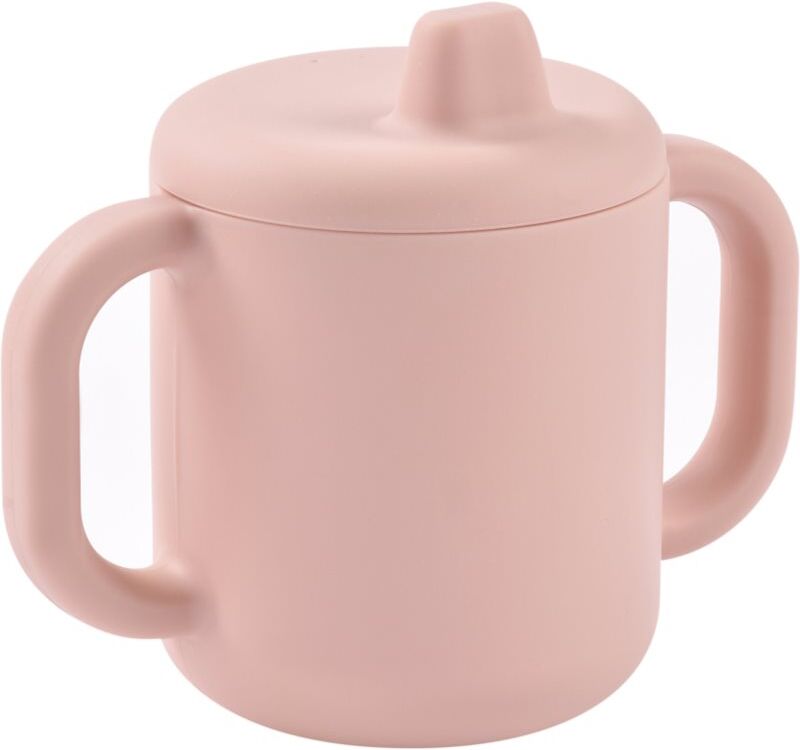
Suavinex Wonderland Learning Cup tasse d’apprentissage Pink 200 mlSuavinex Wonderland Learning Cup, 200 ml, Tasses pour enfants pour enfant, Vous voulez que votre enfant développe la bonne habitude de s’hydrater régulièrement ? La tasse pour enfant Suavinex Wonderland Learning Cup, adaptée aux petites mains des enfants, vous facilitera la tâche. En outre, son design amusant plaire à votre enfant Le produit : lavable au lave-vaisselle bec souple ne se renverse pas format pratique facile à nettoyer les poignées sont parfaitement adaptée aux mains des petits enfants permet de passer facilement et rapidement du biberon à la tasse en silicone doux pour les dents et les gencives des enfants Mode d’emploi : Le système de fermeture à 360° de cette tasse n’est pas anti-gouttes. Dans le cas de cette tasse, si la membrane venait à être trop serrée, elle empêcherait le bébé de boire correctement. Les gouttes qui s’écoulent lorsque la tasse est inclinée sont donc un phénomène normal. Lavable au lave-vaisselle.9,50 €*Shipping: 3,45 €Secure redirect to the provider

-
Why do many teenagers join cliques?
Many teenagers join cliques as a way to feel a sense of belonging and acceptance. Cliques provide a social structure and a sense of identity, helping teenagers navigate the complexities of adolescence. Additionally, cliques offer a support system and a feeling of security, as members often share common interests, values, and experiences. Joining a clique can also provide a sense of exclusivity and status among peers. **
-
Why are many teenagers in cliques?
Many teenagers are in cliques because they are seeking a sense of belonging and identity. Cliques provide a group of peers with similar interests, values, and social status, which can offer a feeling of acceptance and support. Additionally, being part of a clique can provide a sense of security and protection from potential social rejection or isolation. Teenagers often gravitate towards cliques as a way to navigate the complexities of adolescence and establish a sense of community within their peer group. **
-
What are cliques in high school?
Cliques in high school are small, exclusive groups of friends who share similar interests, backgrounds, or social status. They often form based on common activities, such as sports, music, or academic pursuits, and can be seen as a way for teenagers to find a sense of belonging and identity within the larger school community. However, cliques can also be exclusionary and create social hierarchies, leading to feelings of isolation and peer pressure for those who are not part of the group. **
-
Why do many young people join cliques?
Many young people join cliques as a way to feel a sense of belonging and acceptance. Cliques provide a sense of identity and security, as well as a support system of friends who share similar interests and values. Additionally, cliques can offer a sense of exclusivity and status within a social group, which can be appealing to some young people seeking validation and recognition. Ultimately, joining a clique can help young people navigate the complexities of adolescence and establish a sense of community and camaraderie. **
Why do many teenagers belong to cliques?
Many teenagers belong to cliques because they provide a sense of belonging and acceptance. Cliques offer a support system and a feeling of security during the often tumultuous teenage years. They also help teenagers navigate social situations and develop their identity within a smaller group. Additionally, cliques can provide a sense of exclusivity and status among peers. **
How can one change cliques within the class?
To change cliques within a class, one can start by making an effort to interact with different groups of people. This can involve joining different clubs or activities, sitting with different people during lunch or group projects, and initiating conversations with classmates outside of one's usual circle. Building genuine connections with others and showing interest in their interests can help bridge the gap between different cliques and create new friendships. It's also important to be open-minded, non-judgmental, and inclusive towards others to successfully transition between cliques. **
Top-Angebote
Products related to Cliques:
-
Beaba Silicone Learning Cup tasse Pink 170 mlBeaba Silicone Learning Cup, 170 ml, Tasses pour enfants pour enfant, Vous voulez que votre enfant développe la bonne habitude de s’hydrater régulièrement ? La tasse pour enfant Beaba Silicone Learning Cup , adaptée aux petites mains des enfants, vous facilitera la tâche. En outre, son design amusant plaire à votre enfant Le produit : idéal pour voyager lavable au lave-vaisselle bec souple format pratique avec poignées avec une tétine résistante aux morsures facile à nettoyer facile à assembler tasse d’apprentissage les poignées sont parfaitement adaptée aux mains des petits enfants en silicone doux pour les dents et les gencives des enfants Matériaux : sans bisphénol A sans phtalates silicone Mode d’emploi : Lavable au lave-vaisselle.16,90 €*Shipping: 3,45 €Secure redirect to the provider
-
Suavinex Wonderland Learning Cup tasse d’apprentissage Green 200 mlSuavinex Wonderland Learning Cup, 200 ml, Tasses pour enfants pour enfant, Vous voulez que votre enfant développe la bonne habitude de s’hydrater régulièrement ? La tasse pour enfant Suavinex Wonderland Learning Cup, adaptée aux petites mains des enfants, vous facilitera la tâche. En outre, son design amusant plaire à votre enfant Le produit : lavable au lave-vaisselle bec souple ne se renverse pas format pratique facile à nettoyer les poignées sont parfaitement adaptée aux mains des petits enfants permet de passer facilement et rapidement du biberon à la tasse en silicone doux pour les dents et les gencives des enfants Mode d’emploi : Le système de fermeture à 360° de cette tasse n’est pas anti-gouttes. Dans le cas de cette tasse, si la membrane venait à être trop serrée, elle empêcherait le bébé de boire correctement. Les gouttes qui s’écoulent lorsque la tasse est inclinée sont donc un phénomène normal. Lavable au lave-vaisselle.9,50 €*Shipping: 3,45 €Secure redirect to the provider
-
Suavinex Wonderland Learning Cup tasse d’apprentissage Pink 200 mlSuavinex Wonderland Learning Cup, 200 ml, Tasses pour enfants pour enfant, Vous voulez que votre enfant développe la bonne habitude de s’hydrater régulièrement ? La tasse pour enfant Suavinex Wonderland Learning Cup, adaptée aux petites mains des enfants, vous facilitera la tâche. En outre, son design amusant plaire à votre enfant Le produit : lavable au lave-vaisselle bec souple ne se renverse pas format pratique facile à nettoyer les poignées sont parfaitement adaptée aux mains des petits enfants permet de passer facilement et rapidement du biberon à la tasse en silicone doux pour les dents et les gencives des enfants Mode d’emploi : Le système de fermeture à 360° de cette tasse n’est pas anti-gouttes. Dans le cas de cette tasse, si la membrane venait à être trop serrée, elle empêcherait le bébé de boire correctement. Les gouttes qui s’écoulent lorsque la tasse est inclinée sont donc un phénomène normal. Lavable au lave-vaisselle.9,50 €*Shipping: 3,45 €Secure redirect to the provider
-
Why do teenagers need cliques?
Teenagers need cliques because they provide a sense of belonging and support during a time of significant personal and social development. Cliques offer a sense of identity and help teenagers navigate the complexities of adolescence by providing a group of peers with whom they can share common interests, values, and experiences. Additionally, cliques can offer a sense of security and protection, as well as opportunities for social interaction and friendship. Overall, cliques can play a crucial role in helping teenagers develop a sense of self and establish meaningful connections with their peers. **
-
Why do many teenagers form cliques?
Many teenagers form cliques as a way to feel a sense of belonging and acceptance. Cliques provide a sense of identity and security, as well as a support system of friends who share similar interests, values, and experiences. Additionally, teenagers may form cliques as a way to navigate the complexities of adolescence and social hierarchies, seeking out like-minded peers for companionship and validation. **
-
Why do many teenagers join cliques?
Many teenagers join cliques as a way to feel a sense of belonging and acceptance. Cliques provide a social structure and a sense of identity, helping teenagers navigate the complexities of adolescence. Additionally, cliques offer a support system and a feeling of security, as members often share common interests, values, and experiences. Joining a clique can also provide a sense of exclusivity and status among peers. **
-
Why are many teenagers in cliques?
Many teenagers are in cliques because they are seeking a sense of belonging and identity. Cliques provide a group of peers with similar interests, values, and social status, which can offer a feeling of acceptance and support. Additionally, being part of a clique can provide a sense of security and protection from potential social rejection or isolation. Teenagers often gravitate towards cliques as a way to navigate the complexities of adolescence and establish a sense of community within their peer group. **
Similar search terms for Cliques
-
What are cliques in high school?
Cliques in high school are small, exclusive groups of friends who share similar interests, backgrounds, or social status. They often form based on common activities, such as sports, music, or academic pursuits, and can be seen as a way for teenagers to find a sense of belonging and identity within the larger school community. However, cliques can also be exclusionary and create social hierarchies, leading to feelings of isolation and peer pressure for those who are not part of the group. **
-
Why do many young people join cliques?
Many young people join cliques as a way to feel a sense of belonging and acceptance. Cliques provide a sense of identity and security, as well as a support system of friends who share similar interests and values. Additionally, cliques can offer a sense of exclusivity and status within a social group, which can be appealing to some young people seeking validation and recognition. Ultimately, joining a clique can help young people navigate the complexities of adolescence and establish a sense of community and camaraderie. **
-
Why do many teenagers belong to cliques?
Many teenagers belong to cliques because they provide a sense of belonging and acceptance. Cliques offer a support system and a feeling of security during the often tumultuous teenage years. They also help teenagers navigate social situations and develop their identity within a smaller group. Additionally, cliques can provide a sense of exclusivity and status among peers. **
-
How can one change cliques within the class?
To change cliques within a class, one can start by making an effort to interact with different groups of people. This can involve joining different clubs or activities, sitting with different people during lunch or group projects, and initiating conversations with classmates outside of one's usual circle. Building genuine connections with others and showing interest in their interests can help bridge the gap between different cliques and create new friendships. It's also important to be open-minded, non-judgmental, and inclusive towards others to successfully transition between cliques. **
* All prices are inclusive of VAT and, if applicable, plus shipping costs. The offer information is based on the details provided by the respective shop and is updated through automated processes. Real-time updates do not occur, so deviations can occur in individual cases. ** Note: Parts of this content were created by AI.