Buy université.be ?
We are moving the project
université.be .
Are you interested in purchasing the domain
université.be ?
domain@kv-gmbh.de · 0541-91531010
Buy université.be ?
What is the difference between ionizing and non-ionizing radiation?
Ionizing radiation has enough energy to remove tightly bound electrons from atoms, creating ions. This type of radiation includes X-rays, gamma rays, and some forms of ultraviolet radiation. Non-ionizing radiation, on the other hand, does not have enough energy to remove electrons from atoms, and includes forms of radiation such as visible light, radio waves, and microwaves. The main difference between the two is the amount of energy they carry and their ability to ionize atoms. **
How can the intensity of non-ionizing radiation be determined?
The intensity of non-ionizing radiation can be determined using a variety of methods. One common method is to use a radiation detector or meter specifically designed to measure non-ionizing radiation, such as a radiofrequency (RF) meter for measuring electromagnetic fields. These meters can measure the strength of the radiation in terms of power density or electric and magnetic field strength. Another method is to use dosimeters, which are devices that can be worn by individuals to measure their personal exposure to non-ionizing radiation over a period of time. Additionally, computer simulations and modeling can be used to estimate the intensity of non-ionizing radiation in a given environment. **
Similar search terms for Non-ionizing
Top-Angebote
Products related to Non-ionizing:
-
CONVERSE Sweat à capuche en molleton non grattéDétails produit • A capuche • Col rond • Manches longues • Longueur : standard • Logo devant • Molleton léger Composition et Entretien • 56% coton, 44% polyester • Pour l'entretien, merci de vous référer aux indications figurant sur l'étiquette du produit26,60 €*Shipping: 3,99 €Secure redirect to the provider
-
PUMA Ensemble sweat et jogging en molleton non grattéDétails produit • Sweat • Taille : standard • Pantalon • Taille élastiquée Composition et Entretien • 100% polyester • Pour l'entretien, merci de vous référer aux indications figurant sur l'étiquette du produit24,50 €*Shipping: 3,99 €Secure redirect to the provider
-
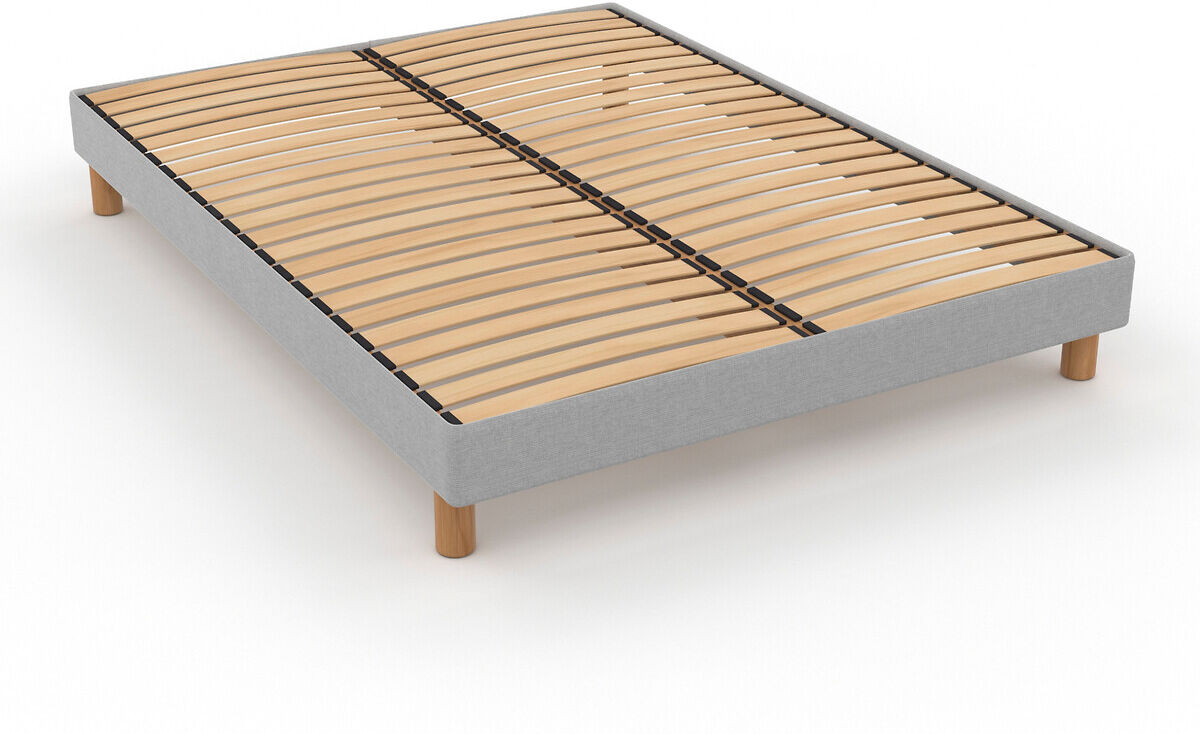
LA REDOUTE INTERIEURS Sommier déco non recouvert 22 lattes souplesIdéal pour les personnes ayant le dos sensible, la suspension du sommier tapissier lattes nues assouplit le confort de votre couchage.Un sommier fabriqué en France et signé La Redoute Intérieurs, expert et créateur de literie. • Type de sommier : tapissier à lattes nues • Fermeté : médium • Le + : bonne aération pour le matelas Bien choisir sa literie ? Consultez notre guide au bas de cette fiche produit Description • Cadre en pin massif finition tapissier • 22 lattes bois multiplis de bouleau en 190 cm de long (2 x 22 à partir de 120 cm de large) • Coutil 70% polyester 30% coton sans traitement (absence de substance active) • Pieds inclus • Chaque sommier a son matelas assorti. Le couple parfait pour un confort maximum. Retrouvez-le sur le site. Qualité • Garantie 5 ans. • 365 nuits pour tester votre literie La Redoute Intérieurs. • Conjuguant confort et soutien, la literie La Redoute Intérieurs propose une gamme adaptée à chaque dormeur et déclinée en 3 technologies. Belles nuits en perspective. Dimensions • Hauteur : 15 cm • FABRIQUÉ EN FRANCE. • FABRICATION À LA DEMANDE. En ne produisant que l’article commandé, les ressources sont préservées. Pas de surproduction, pas de matières premières utilisées inutilement. • BOIS ISSU DE FORÊTS GÉRÉES DURABLEMENT. Le bois certifié PEFC est issu de forêts gérées durablement et de sources contrôlées. PEFC contribue à assurer la pérennité et le renouvellement par régénération naturelle ou par plantation en préservant des arbres d’avenir et en favorisant la diversité des essences.181,35 €*Shipping: 9,99 €Secure redirect to the provider
-
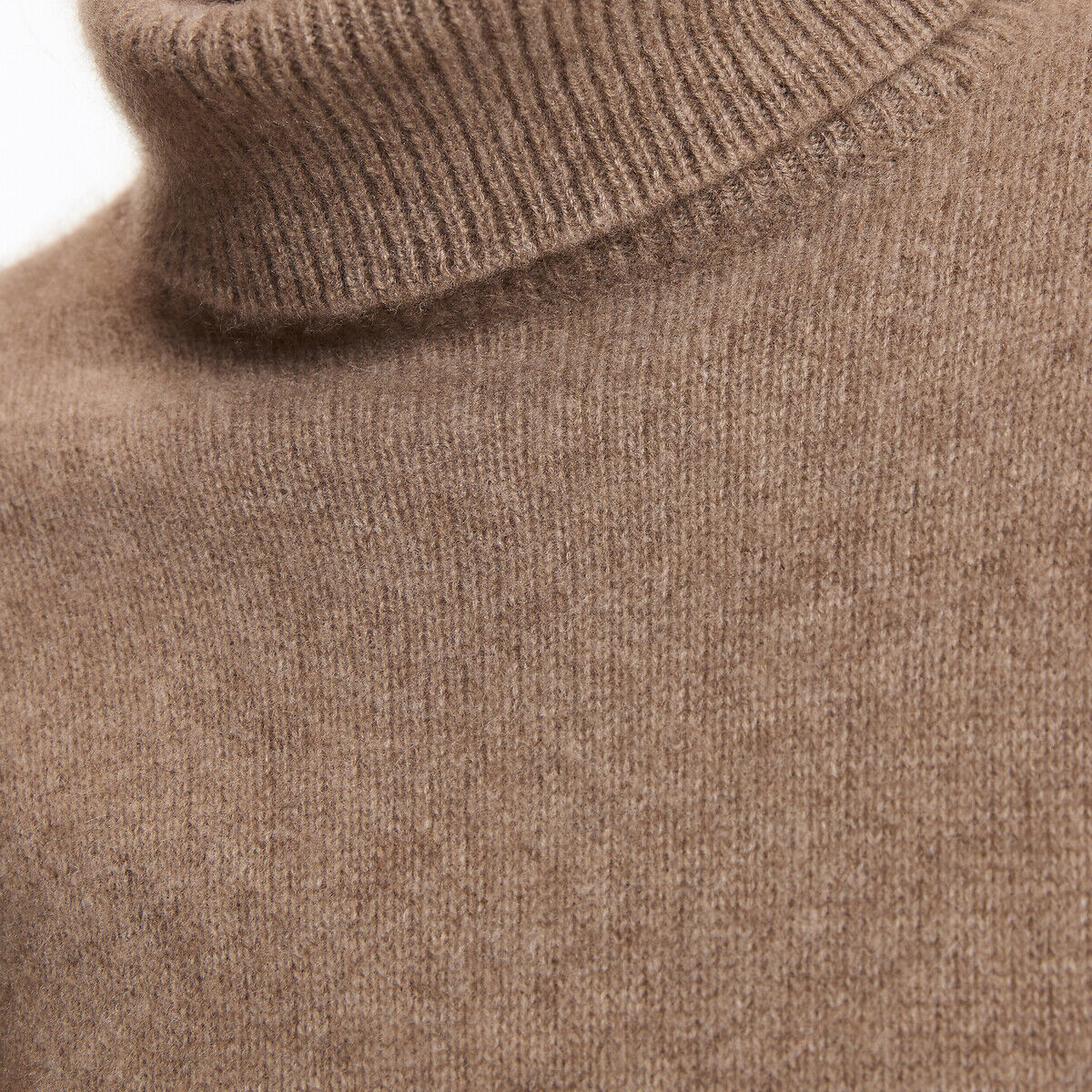
LA REDOUTE COLLECTIONS Pull col roulé en cachemire non teintDu cachemire pour la douceur et un volume loose pour le confort... ce pull col roulé, fini par bord-côtes à la base et aux poignets sera le complice des hivers froids...Détails produit • Pull long • Manches longues • Col roulé • Grosse maille Composition et Entretien • 100% cachemire • Cachemire recyclé au minimum à 50% • Lavage à la main température ambiante • Séchage à plat • Température de repassage faible / blanchiment interdit • Pas de nettoyage à sec • CACHEMIRE RECYCLÉ. Utiliser du cachemire recyclé, c'est préserver certaines ressources et réduire les déchets Fiche produit relative aux qualités et caractéristiques environnementales • Origine de fabrication (tissage, teinture) : Chine • Confection : Cambodge Dernière mise à jour des informations : 11/03/2026143,65 €*Shipping: 3,99 €Secure redirect to the provider


-
Who discovered ionizing radiation?
Ionizing radiation was discovered by Wilhelm Conrad Roentgen in 1895. While experimenting with cathode rays, he noticed that a fluorescent screen in his lab would glow even when it was not directly in the path of the rays. This led him to the discovery of X-rays, which are a form of ionizing radiation. Roentgen's discovery revolutionized the field of medicine and earned him the first Nobel Prize in Physics in 1901. **
-
Are female academics much more tolerant than non-academics?
It is not accurate to make a blanket statement that female academics are much more tolerant than non-academics. Tolerance levels can vary greatly among individuals regardless of their profession or academic background. Factors such as personal experiences, upbringing, education, and cultural influences play a significant role in shaping an individual's level of tolerance. It is important to recognize and appreciate diversity of opinions and perspectives among all individuals, regardless of their profession. **
-
Do academics have a better life than non-academics?
The answer to this question is subjective and depends on individual preferences and priorities. Academics may have the opportunity for intellectual stimulation, flexible schedules, and the pursuit of knowledge, which can be fulfilling for some. However, non-academics may have a better work-life balance, higher earning potential, and less pressure to publish or meet academic standards. Ultimately, the definition of a "better life" varies from person to person, and both academics and non-academics can lead fulfilling lives in their respective fields. **
-
Are non-academics considered less intelligent?
No, intelligence is not solely determined by academic achievements or qualifications. Non-academics can possess a wide range of skills, knowledge, and intelligence in various fields such as creativity, emotional intelligence, problem-solving, and practical skills. It is important to recognize and value different forms of intelligence beyond academic success. **


What professions involve working with ionizing radiation?
Professions that involve working with ionizing radiation include radiologic technologists, nuclear medicine technologists, radiation therapists, and radiologists. These professionals use ionizing radiation in various medical imaging and treatment procedures. Other professions that may involve working with ionizing radiation include nuclear engineers, physicists, and researchers in the field of nuclear energy. **
When and why does ionizing radiation occur?
Ionizing radiation occurs when an atom undergoes a process that causes it to lose or gain electrons, resulting in the formation of charged particles called ions. This can happen through natural processes such as radioactive decay of certain elements, or through human activities such as medical imaging and nuclear power generation. Ionizing radiation is harmful to living organisms because it can damage cells and DNA, leading to potential health risks such as cancer and genetic mutations. **
Top-Angebote
Products related to Non-ionizing:
-
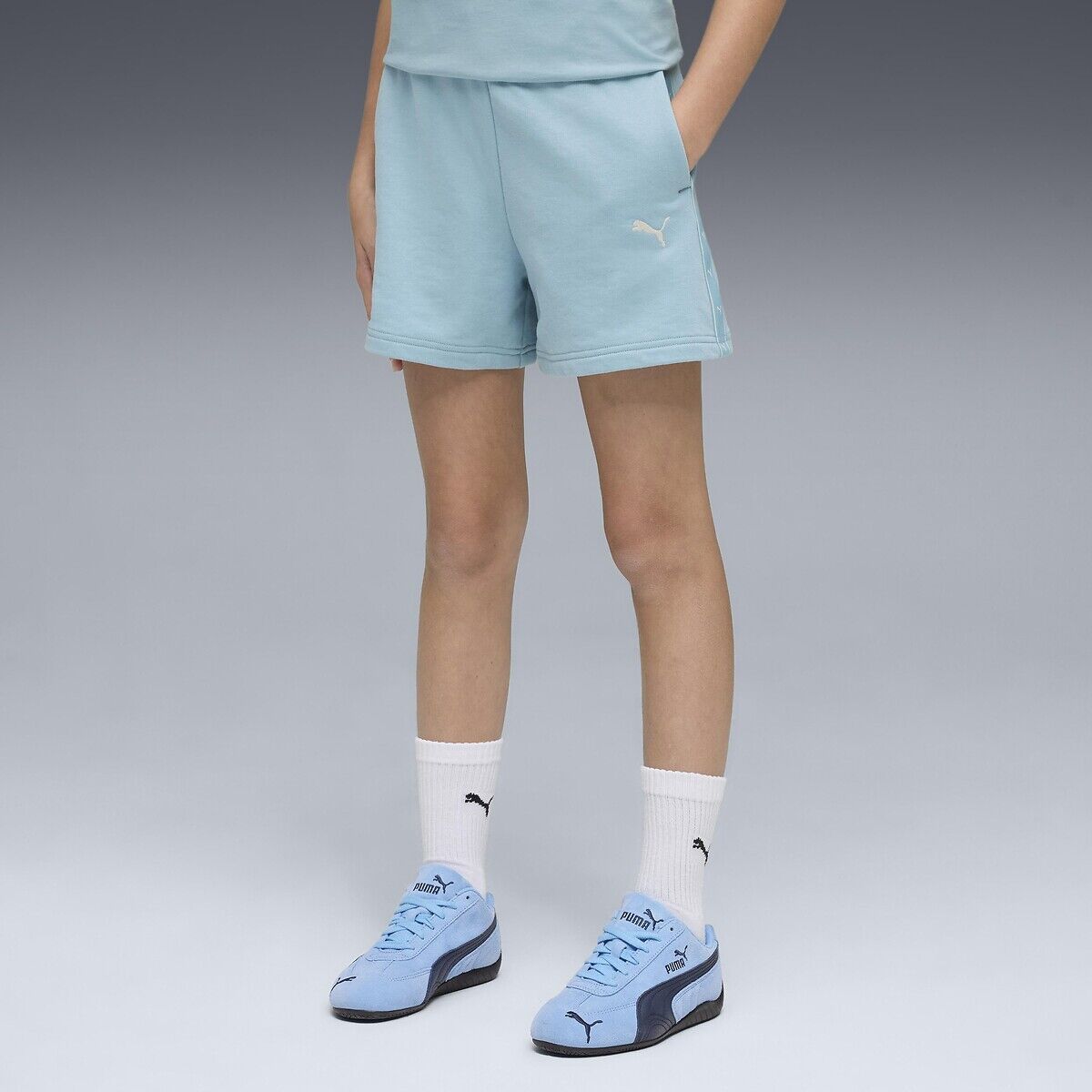
PUMA Short en molleton non grattéDétails produit • Taille : standard • Taille élastiquée Composition et Entretien • 42% coton, 32% polyester, 26% polycoton • Pour l'entretien, merci de vous référer aux indications figurant sur l'étiquette du produit19,60 €*Shipping: 3,99 €Secure redirect to the provider
-
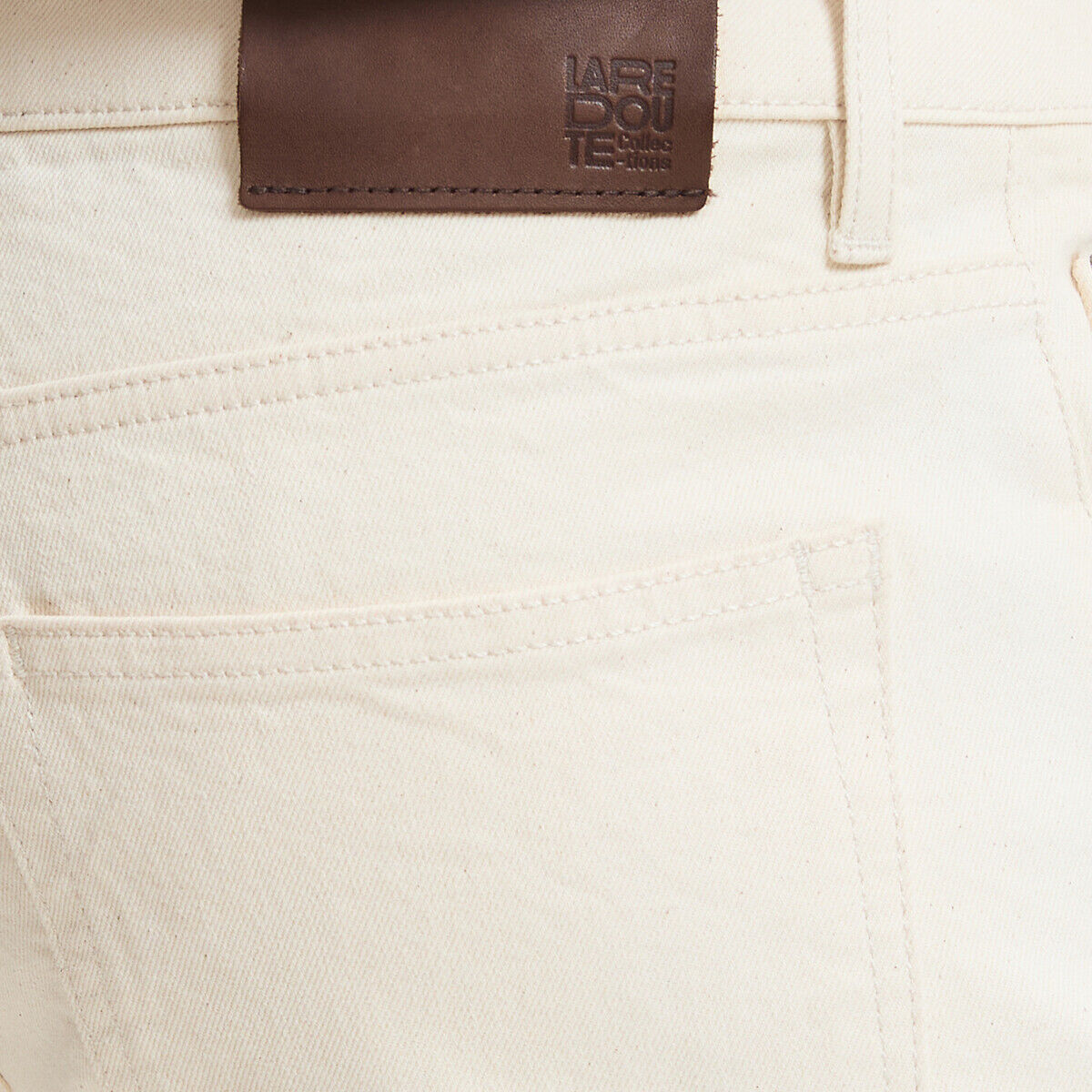
LA REDOUTE COLLECTIONS Jean non teint régularDétails produit • Regular, droit • Taille standard • Coupe 5 poches • Ceinture à passants boutonnée Mesures du produit en taille 40/M • Longueur de l’entrejambe : 81 cm • Largeur du bas : 19,5 cm Composition et Entretien • 98% coton, 2% élasthanne • Température de lavage 40° cycle délicat • Température de repassage moyenne / blanchiment interdit • Séchage en tambour faible • Pas de nettoyage à sec • COTON ISSU DE L'AGRICULTURE BIOLOGIQUE. L’agriculture biologique exclut tous produits chimiques, pesticides, insecticides et OGM. Une production dont l’impact sur la biodiversité est réduit. • DÉLAVAGE ÉCONOME EN EAU. Ce délavage permet de réduire la consommation d’eau utilisée par rapport à un délavage classique.32,49 €*Shipping: 3,99 €Secure redirect to the provider
-
CONVERSE Sweat à capuche en molleton non grattéDétails produit • A capuche • Col rond • Manches longues • Longueur : standard • Logo devant • Molleton léger Composition et Entretien • 56% coton, 44% polyester • Pour l'entretien, merci de vous référer aux indications figurant sur l'étiquette du produit26,60 €*Shipping: 3,99 €Secure redirect to the provider
-
PUMA Ensemble sweat et jogging en molleton non grattéDétails produit • Sweat • Taille : standard • Pantalon • Taille élastiquée Composition et Entretien • 100% polyester • Pour l'entretien, merci de vous référer aux indications figurant sur l'étiquette du produit24,50 €*Shipping: 3,99 €Secure redirect to the provider
-
What is the difference between ionizing and non-ionizing radiation?
Ionizing radiation has enough energy to remove tightly bound electrons from atoms, creating ions. This type of radiation includes X-rays, gamma rays, and some forms of ultraviolet radiation. Non-ionizing radiation, on the other hand, does not have enough energy to remove electrons from atoms, and includes forms of radiation such as visible light, radio waves, and microwaves. The main difference between the two is the amount of energy they carry and their ability to ionize atoms. **
-
How can the intensity of non-ionizing radiation be determined?
The intensity of non-ionizing radiation can be determined using a variety of methods. One common method is to use a radiation detector or meter specifically designed to measure non-ionizing radiation, such as a radiofrequency (RF) meter for measuring electromagnetic fields. These meters can measure the strength of the radiation in terms of power density or electric and magnetic field strength. Another method is to use dosimeters, which are devices that can be worn by individuals to measure their personal exposure to non-ionizing radiation over a period of time. Additionally, computer simulations and modeling can be used to estimate the intensity of non-ionizing radiation in a given environment. **
-
Who discovered ionizing radiation?
Ionizing radiation was discovered by Wilhelm Conrad Roentgen in 1895. While experimenting with cathode rays, he noticed that a fluorescent screen in his lab would glow even when it was not directly in the path of the rays. This led him to the discovery of X-rays, which are a form of ionizing radiation. Roentgen's discovery revolutionized the field of medicine and earned him the first Nobel Prize in Physics in 1901. **
-
Are female academics much more tolerant than non-academics?
It is not accurate to make a blanket statement that female academics are much more tolerant than non-academics. Tolerance levels can vary greatly among individuals regardless of their profession or academic background. Factors such as personal experiences, upbringing, education, and cultural influences play a significant role in shaping an individual's level of tolerance. It is important to recognize and appreciate diversity of opinions and perspectives among all individuals, regardless of their profession. **
Similar search terms for Non-ionizing
-
LA REDOUTE INTERIEURS Sommier déco non recouvert 22 lattes souplesIdéal pour les personnes ayant le dos sensible, la suspension du sommier tapissier lattes nues assouplit le confort de votre couchage.Un sommier fabriqué en France et signé La Redoute Intérieurs, expert et créateur de literie. • Type de sommier : tapissier à lattes nues • Fermeté : médium • Le + : bonne aération pour le matelas Bien choisir sa literie ? Consultez notre guide au bas de cette fiche produit Description • Cadre en pin massif finition tapissier • 22 lattes bois multiplis de bouleau en 190 cm de long (2 x 22 à partir de 120 cm de large) • Coutil 70% polyester 30% coton sans traitement (absence de substance active) • Pieds inclus • Chaque sommier a son matelas assorti. Le couple parfait pour un confort maximum. Retrouvez-le sur le site. Qualité • Garantie 5 ans. • 365 nuits pour tester votre literie La Redoute Intérieurs. • Conjuguant confort et soutien, la literie La Redoute Intérieurs propose une gamme adaptée à chaque dormeur et déclinée en 3 technologies. Belles nuits en perspective. Dimensions • Hauteur : 15 cm • FABRIQUÉ EN FRANCE. • FABRICATION À LA DEMANDE. En ne produisant que l’article commandé, les ressources sont préservées. Pas de surproduction, pas de matières premières utilisées inutilement. • BOIS ISSU DE FORÊTS GÉRÉES DURABLEMENT. Le bois certifié PEFC est issu de forêts gérées durablement et de sources contrôlées. PEFC contribue à assurer la pérennité et le renouvellement par régénération naturelle ou par plantation en préservant des arbres d’avenir et en favorisant la diversité des essences.181,35 €*Shipping: 9,99 €Secure redirect to the provider
-
LA REDOUTE COLLECTIONS Pull col roulé en cachemire non teintDu cachemire pour la douceur et un volume loose pour le confort... ce pull col roulé, fini par bord-côtes à la base et aux poignets sera le complice des hivers froids...Détails produit • Pull long • Manches longues • Col roulé • Grosse maille Composition et Entretien • 100% cachemire • Cachemire recyclé au minimum à 50% • Lavage à la main température ambiante • Séchage à plat • Température de repassage faible / blanchiment interdit • Pas de nettoyage à sec • CACHEMIRE RECYCLÉ. Utiliser du cachemire recyclé, c'est préserver certaines ressources et réduire les déchets Fiche produit relative aux qualités et caractéristiques environnementales • Origine de fabrication (tissage, teinture) : Chine • Confection : Cambodge Dernière mise à jour des informations : 11/03/2026143,65 €*Shipping: 3,99 €Secure redirect to the provider
-
vidaXL Étagère "flottante" 40x20x2 cm bois d'acacia massif non traitéTransformez votre mur nu en un élément de décoration et un espace de rangement pratique et efficace pour votre espace de vie grâce à cette étagère "flottante" en bois ! Matériau robuste et stable : le bois d'acacia massif est connu pour sa solidité et sa durabilité. Ses couleurs variées et ses grains uniques lui confèrent un aspect attrayant. Avec une excellente stabilité et résistance aux intempéries, il est idéal pour la fabrication de mobilier d'intérieur et d'extérieur. Surface non traitée : cette étagère est fabriquée en bois d'acacia non traité et vous pouvez conserver sa couleur naturelle ou la personnaliser avec de la peinture ou de la laque selon vos préférences. Bricolage aléatoire : vous pouvez disposer les étagères de manière aléatoire, par exemple de droite à gauche, de haut en bas, ou en forme d'échelle. En utilisant plusieurs étagères murales, vous pouvez créer des motifs uniques et personnalisés. Gain de place : cette étagère flottante optimise l'espace mural inutilisé en le transformant en un espace de rangement compact et efficace. Multifonctionnelle : cette étagère murale polyvalente peut être utilisée dans différents environnements, tels que la cuisine, la salle de bain, le salon, la chambre à coucher, le bureau, le garage, etc. Bon à savoir : Chaque article est unique, avec des variations de couleurs et de grains. La livraison est aléatoire, ce qui garantit l'exclusivité et l'individualité de votre produit. La livraison comprend une seule étagère murale. Les vis et les supports ne sont pas inclus dans la livraison.19,40 €*Shipping: 0,00 €Secure redirect to the provider
-
PUMA Short en molleton non grattéDétails produit • Taille : standard • Taille élastiquée Composition et Entretien • 42% coton, 32% polyester, 26% polycoton • Pour l'entretien, merci de vous référer aux indications figurant sur l'étiquette du produit16,10 €*Shipping: 3,99 €Secure redirect to the provider
-
Do academics have a better life than non-academics?
The answer to this question is subjective and depends on individual preferences and priorities. Academics may have the opportunity for intellectual stimulation, flexible schedules, and the pursuit of knowledge, which can be fulfilling for some. However, non-academics may have a better work-life balance, higher earning potential, and less pressure to publish or meet academic standards. Ultimately, the definition of a "better life" varies from person to person, and both academics and non-academics can lead fulfilling lives in their respective fields. **
-
Are non-academics considered less intelligent?
No, intelligence is not solely determined by academic achievements or qualifications. Non-academics can possess a wide range of skills, knowledge, and intelligence in various fields such as creativity, emotional intelligence, problem-solving, and practical skills. It is important to recognize and value different forms of intelligence beyond academic success. **
-
What professions involve working with ionizing radiation?
Professions that involve working with ionizing radiation include radiologic technologists, nuclear medicine technologists, radiation therapists, and radiologists. These professionals use ionizing radiation in various medical imaging and treatment procedures. Other professions that may involve working with ionizing radiation include nuclear engineers, physicists, and researchers in the field of nuclear energy. **
-
When and why does ionizing radiation occur?
Ionizing radiation occurs when an atom undergoes a process that causes it to lose or gain electrons, resulting in the formation of charged particles called ions. This can happen through natural processes such as radioactive decay of certain elements, or through human activities such as medical imaging and nuclear power generation. Ionizing radiation is harmful to living organisms because it can damage cells and DNA, leading to potential health risks such as cancer and genetic mutations. **
* All prices are inclusive of VAT and, if applicable, plus shipping costs. The offer information is based on the details provided by the respective shop and is updated through automated processes. Real-time updates do not occur, so deviations can occur in individual cases. ** Note: Parts of this content were created by AI.