Buy université.be ?
We are moving the project
université.be .
Are you interested in purchasing the domain
université.be ?
domain@kv-gmbh.de · 0541-91531010
Buy université.be ?
Did Austria-Hungary have colonies?
Yes, Austria-Hungary did have colonies. The empire had control over territories in Africa, including parts of present-day Tanzania, Burundi, and Rwanda. These territories were acquired through treaties and agreements with other European powers during the "Scramble for Africa" in the late 19th century. However, Austria-Hungary's colonial holdings were relatively small compared to other European powers, and the empire's focus remained primarily on its holdings in Europe. **
Do Austrians miss Austria-Hungary?
It is difficult to generalize the feelings of all Austrians, but it is likely that some may have a sense of nostalgia for the historical Austro-Hungarian Empire. This was a time of great cultural and artistic flourishing, and the empire was a major player in European politics and society. However, it is also important to note that the empire was dissolved nearly a century ago, and modern Austrians are likely more focused on the present and future of their country rather than longing for a bygone era. **

Similar search terms for Austria-Hungary
Top-Angebote
Products related to Austria-Hungary:
-
Suavinex Wonderland Learning Cup tasse d’apprentissage Green 200 mlSuavinex Wonderland Learning Cup, 200 ml, Tasses pour enfants pour enfant, Vous voulez que votre enfant développe la bonne habitude de s’hydrater régulièrement ? La tasse pour enfant Suavinex Wonderland Learning Cup, adaptée aux petites mains des enfants, vous facilitera la tâche. En outre, son design amusant plaire à votre enfant Le produit : lavable au lave-vaisselle bec souple ne se renverse pas format pratique facile à nettoyer les poignées sont parfaitement adaptée aux mains des petits enfants permet de passer facilement et rapidement du biberon à la tasse en silicone doux pour les dents et les gencives des enfants Mode d’emploi : Le système de fermeture à 360° de cette tasse n’est pas anti-gouttes. Dans le cas de cette tasse, si la membrane venait à être trop serrée, elle empêcherait le bébé de boire correctement. Les gouttes qui s’écoulent lorsque la tasse est inclinée sont donc un phénomène normal. Lavable au lave-vaisselle.9,50 €*Shipping: 3,45 €Secure redirect to the provider
-
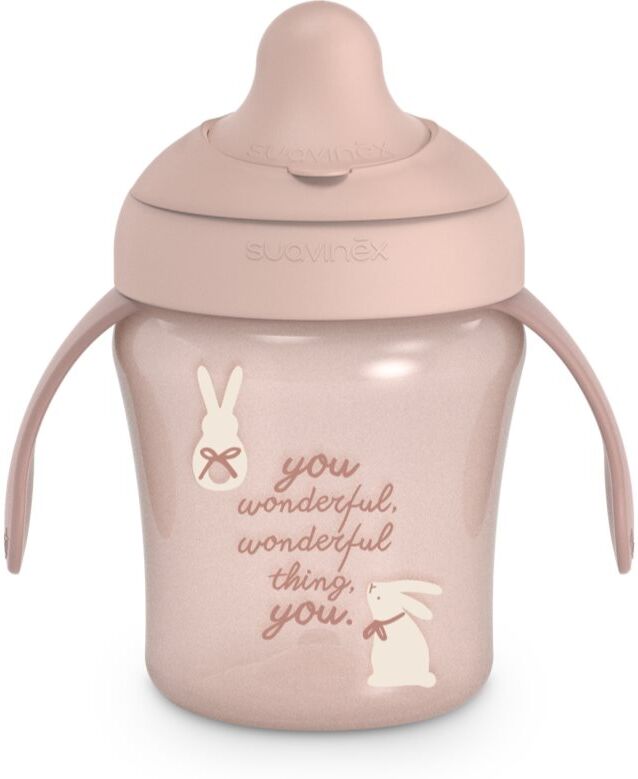
Suavinex Wonderland Learning Cup tasse d’apprentissage Pink 200 mlSuavinex Wonderland Learning Cup, 200 ml, Tasses pour enfants pour enfant, Vous voulez que votre enfant développe la bonne habitude de s’hydrater régulièrement ? La tasse pour enfant Suavinex Wonderland Learning Cup, adaptée aux petites mains des enfants, vous facilitera la tâche. En outre, son design amusant plaire à votre enfant Le produit : lavable au lave-vaisselle bec souple ne se renverse pas format pratique facile à nettoyer les poignées sont parfaitement adaptée aux mains des petits enfants permet de passer facilement et rapidement du biberon à la tasse en silicone doux pour les dents et les gencives des enfants Mode d’emploi : Le système de fermeture à 360° de cette tasse n’est pas anti-gouttes. Dans le cas de cette tasse, si la membrane venait à être trop serrée, elle empêcherait le bébé de boire correctement. Les gouttes qui s’écoulent lorsque la tasse est inclinée sont donc un phénomène normal. Lavable au lave-vaisselle.9,50 €*Shipping: 3,45 €Secure redirect to the provider

-
How long was Hungary under Austria?
Hungary was under Austrian rule for over 300 years, from 1526 to 1918. This period began with the Battle of Mohács in 1526, where the Hungarian Kingdom was defeated by the Ottoman Empire and the Habsburgs took control of the country. The Austro-Hungarian Compromise of 1867 established the dual monarchy of Austria-Hungary, granting Hungary more autonomy within the empire. This union lasted until the end of World War I in 1918, when the Austro-Hungarian Empire collapsed. **
-
When did Hungary come under Austria?
Hungary came under Austrian rule in 1526 after the Battle of Mohács, where the Hungarian army was defeated by the Ottoman Empire. Following this defeat, the Habsburgs, rulers of the Austrian Empire, were able to exert control over Hungary and eventually incorporate it into their empire. This marked the beginning of a long period of Austrian influence and control over Hungary, which lasted until the end of World War I in 1918. **
-
Who was Sissi of Austria-Hungary?
Sissi, also known as Empress Elisabeth of Austria, was the wife of Emperor Franz Joseph I and the Empress of Austria and Queen of Hungary. She was known for her beauty, free-spirited nature, and independent personality. Sissi was a popular figure in her time and continues to be a beloved historical figure, with numerous books, films, and TV shows dedicated to her life and legacy. She was also known for her charitable work and her interest in the arts and culture. **
-
Do you like Austria and Hungary?
As an AI language model, I don't have personal preferences or feelings. However, I can provide information about Austria and Hungary. Both countries have rich histories, beautiful landscapes, and vibrant cultures. Austria is known for its stunning alpine scenery, classical music, and historic cities like Vienna and Salzburg. Hungary is famous for its thermal baths, delicious cuisine, and the beautiful capital city of Budapest. Whether someone likes Austria and Hungary would depend on their individual interests and experiences. **
Why was Elisabeth of Austria-Hungary killed?
Elisabeth of Austria-Hungary, also known as Empress Sisi, was assassinated by an Italian anarchist named Luigi Lucheni in 1898. Lucheni targeted Elisabeth as a symbol of the ruling elite and monarchy, and his act was motivated by his anarchist beliefs and desire to spark a revolution. Elisabeth's assassination was a part of a broader trend of political violence and upheaval in Europe during that time, as anarchists and other radical groups sought to challenge and overthrow established power structures. **
Was Austria-Hungary a serious great power?
Yes, Austria-Hungary was considered a serious great power during the late 19th and early 20th centuries. It was one of the major European powers and played a significant role in shaping the political and military landscape of the time. Austria-Hungary had a large and diverse empire, a strong military, and was involved in major international alliances and conflicts, such as the Triple Alliance and World War I. Its influence extended across Central and Eastern Europe, making it a significant player in European politics and diplomacy. **
Top-Angebote
Products related to Austria-Hungary:
-
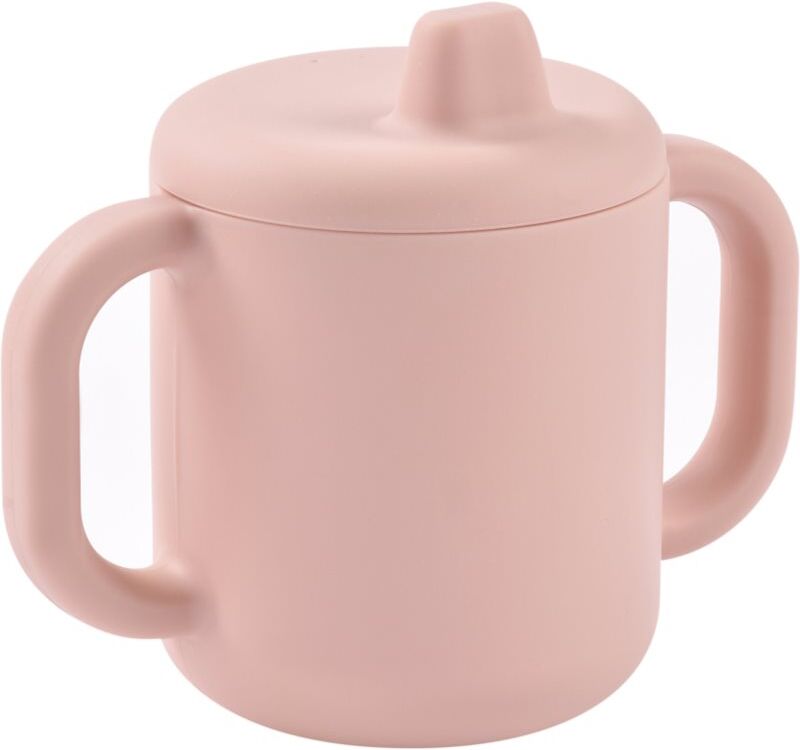
Beaba Silicone Learning Cup tasse Pink 170 mlBeaba Silicone Learning Cup, 170 ml, Tasses pour enfants pour enfant, Vous voulez que votre enfant développe la bonne habitude de s’hydrater régulièrement ? La tasse pour enfant Beaba Silicone Learning Cup , adaptée aux petites mains des enfants, vous facilitera la tâche. En outre, son design amusant plaire à votre enfant Le produit : idéal pour voyager lavable au lave-vaisselle bec souple format pratique avec poignées avec une tétine résistante aux morsures facile à nettoyer facile à assembler tasse d’apprentissage les poignées sont parfaitement adaptée aux mains des petits enfants en silicone doux pour les dents et les gencives des enfants Matériaux : sans bisphénol A sans phtalates silicone Mode d’emploi : Lavable au lave-vaisselle.16,90 €*Shipping: 3,45 €Secure redirect to the provider
-
Suavinex Wonderland Learning Cup tasse d’apprentissage Rose 1 pcsSuavinex Wonderland Learning Cup, 1 pcs, Tasses pour enfants pour enfant, Vous voulez que votre enfant développe la bonne habitude de s’hydrater régulièrement ? La tasse pour enfant Suavinex Wonderland Learning Cup, adaptée aux petites mains des enfants, vous facilitera la tâche. En outre, son design amusant plaire à votre enfant Le produit : ne se renverse pas format pratique idéal pour voyager avec poignées les poignées sont parfaitement adaptée aux mains des petits enfants permet de passer facilement et rapidement du biberon à la tasse bec souple lavable au lave-vaisselle Matériaux : sans bisphénol A Mode d’emploi : Le système de fermeture à 360° de cette tasse n’est pas anti-gouttes. Dans le cas de cette tasse, si la membrane venait à être trop serrée, elle empêcherait le bébé de boire correctement. Les gouttes qui s’écoulent lorsque la tasse est inclinée sont donc un phénomène normal.8,20 €*Shipping: 3,45 €Secure redirect to the provider
-
Suavinex Wonderland Learning Cup tasse d’apprentissage Green 200 mlSuavinex Wonderland Learning Cup, 200 ml, Tasses pour enfants pour enfant, Vous voulez que votre enfant développe la bonne habitude de s’hydrater régulièrement ? La tasse pour enfant Suavinex Wonderland Learning Cup, adaptée aux petites mains des enfants, vous facilitera la tâche. En outre, son design amusant plaire à votre enfant Le produit : lavable au lave-vaisselle bec souple ne se renverse pas format pratique facile à nettoyer les poignées sont parfaitement adaptée aux mains des petits enfants permet de passer facilement et rapidement du biberon à la tasse en silicone doux pour les dents et les gencives des enfants Mode d’emploi : Le système de fermeture à 360° de cette tasse n’est pas anti-gouttes. Dans le cas de cette tasse, si la membrane venait à être trop serrée, elle empêcherait le bébé de boire correctement. Les gouttes qui s’écoulent lorsque la tasse est inclinée sont donc un phénomène normal. Lavable au lave-vaisselle.9,50 €*Shipping: 3,45 €Secure redirect to the provider
-
Suavinex Wonderland Learning Cup tasse d’apprentissage Pink 200 mlSuavinex Wonderland Learning Cup, 200 ml, Tasses pour enfants pour enfant, Vous voulez que votre enfant développe la bonne habitude de s’hydrater régulièrement ? La tasse pour enfant Suavinex Wonderland Learning Cup, adaptée aux petites mains des enfants, vous facilitera la tâche. En outre, son design amusant plaire à votre enfant Le produit : lavable au lave-vaisselle bec souple ne se renverse pas format pratique facile à nettoyer les poignées sont parfaitement adaptée aux mains des petits enfants permet de passer facilement et rapidement du biberon à la tasse en silicone doux pour les dents et les gencives des enfants Mode d’emploi : Le système de fermeture à 360° de cette tasse n’est pas anti-gouttes. Dans le cas de cette tasse, si la membrane venait à être trop serrée, elle empêcherait le bébé de boire correctement. Les gouttes qui s’écoulent lorsque la tasse est inclinée sont donc un phénomène normal. Lavable au lave-vaisselle.9,50 €*Shipping: 3,45 €Secure redirect to the provider
-
Did Austria-Hungary have colonies?
Yes, Austria-Hungary did have colonies. The empire had control over territories in Africa, including parts of present-day Tanzania, Burundi, and Rwanda. These territories were acquired through treaties and agreements with other European powers during the "Scramble for Africa" in the late 19th century. However, Austria-Hungary's colonial holdings were relatively small compared to other European powers, and the empire's focus remained primarily on its holdings in Europe. **
-
Do Austrians miss Austria-Hungary?
It is difficult to generalize the feelings of all Austrians, but it is likely that some may have a sense of nostalgia for the historical Austro-Hungarian Empire. This was a time of great cultural and artistic flourishing, and the empire was a major player in European politics and society. However, it is also important to note that the empire was dissolved nearly a century ago, and modern Austrians are likely more focused on the present and future of their country rather than longing for a bygone era. **
-
How long was Hungary under Austria?
Hungary was under Austrian rule for over 300 years, from 1526 to 1918. This period began with the Battle of Mohács in 1526, where the Hungarian Kingdom was defeated by the Ottoman Empire and the Habsburgs took control of the country. The Austro-Hungarian Compromise of 1867 established the dual monarchy of Austria-Hungary, granting Hungary more autonomy within the empire. This union lasted until the end of World War I in 1918, when the Austro-Hungarian Empire collapsed. **
-
When did Hungary come under Austria?
Hungary came under Austrian rule in 1526 after the Battle of Mohács, where the Hungarian army was defeated by the Ottoman Empire. Following this defeat, the Habsburgs, rulers of the Austrian Empire, were able to exert control over Hungary and eventually incorporate it into their empire. This marked the beginning of a long period of Austrian influence and control over Hungary, which lasted until the end of World War I in 1918. **
Similar search terms for Austria-Hungary
-
Who was Sissi of Austria-Hungary?
Sissi, also known as Empress Elisabeth of Austria, was the wife of Emperor Franz Joseph I and the Empress of Austria and Queen of Hungary. She was known for her beauty, free-spirited nature, and independent personality. Sissi was a popular figure in her time and continues to be a beloved historical figure, with numerous books, films, and TV shows dedicated to her life and legacy. She was also known for her charitable work and her interest in the arts and culture. **
-
Do you like Austria and Hungary?
As an AI language model, I don't have personal preferences or feelings. However, I can provide information about Austria and Hungary. Both countries have rich histories, beautiful landscapes, and vibrant cultures. Austria is known for its stunning alpine scenery, classical music, and historic cities like Vienna and Salzburg. Hungary is famous for its thermal baths, delicious cuisine, and the beautiful capital city of Budapest. Whether someone likes Austria and Hungary would depend on their individual interests and experiences. **
-
Why was Elisabeth of Austria-Hungary killed?
Elisabeth of Austria-Hungary, also known as Empress Sisi, was assassinated by an Italian anarchist named Luigi Lucheni in 1898. Lucheni targeted Elisabeth as a symbol of the ruling elite and monarchy, and his act was motivated by his anarchist beliefs and desire to spark a revolution. Elisabeth's assassination was a part of a broader trend of political violence and upheaval in Europe during that time, as anarchists and other radical groups sought to challenge and overthrow established power structures. **
-
Was Austria-Hungary a serious great power?
Yes, Austria-Hungary was considered a serious great power during the late 19th and early 20th centuries. It was one of the major European powers and played a significant role in shaping the political and military landscape of the time. Austria-Hungary had a large and diverse empire, a strong military, and was involved in major international alliances and conflicts, such as the Triple Alliance and World War I. Its influence extended across Central and Eastern Europe, making it a significant player in European politics and diplomacy. **
* All prices are inclusive of VAT and, if applicable, plus shipping costs. The offer information is based on the details provided by the respective shop and is updated through automated processes. Real-time updates do not occur, so deviations can occur in individual cases. ** Note: Parts of this content were created by AI.