Buy université.be ?
We are moving the project
université.be .
Are you interested in purchasing the domain
université.be ?
domain@kv-gmbh.de · 0541-91531010
Buy université.be ?
What are the learning levels in mathematics for class R9?
In mathematics for class R9, students typically learn about a variety of topics including algebra, geometry, statistics, and probability. They are expected to have a solid understanding of basic arithmetic operations, fractions, decimals, and percentages. Students also begin to explore more complex concepts such as solving equations, working with geometric shapes, and interpreting data. Overall, the learning levels in mathematics for class R9 focus on building a strong foundation in mathematical concepts and problem-solving skills to prepare students for more advanced math courses in the future. **
Can a diabetologist take thyroid levels?
Yes, a diabetologist can take thyroid levels. While a diabetologist specializes in the treatment of diabetes, they are also trained to manage other endocrine disorders, including thyroid conditions. Diabetologists often have expertise in interpreting thyroid function tests and can use this information to provide comprehensive care for their patients with diabetes and thyroid disorders. If necessary, a diabetologist may also collaborate with an endocrinologist or other specialists for further evaluation and management of thyroid conditions. **

Similar search terms for A-levels
Top-Angebote
Products related to A-levels:
-
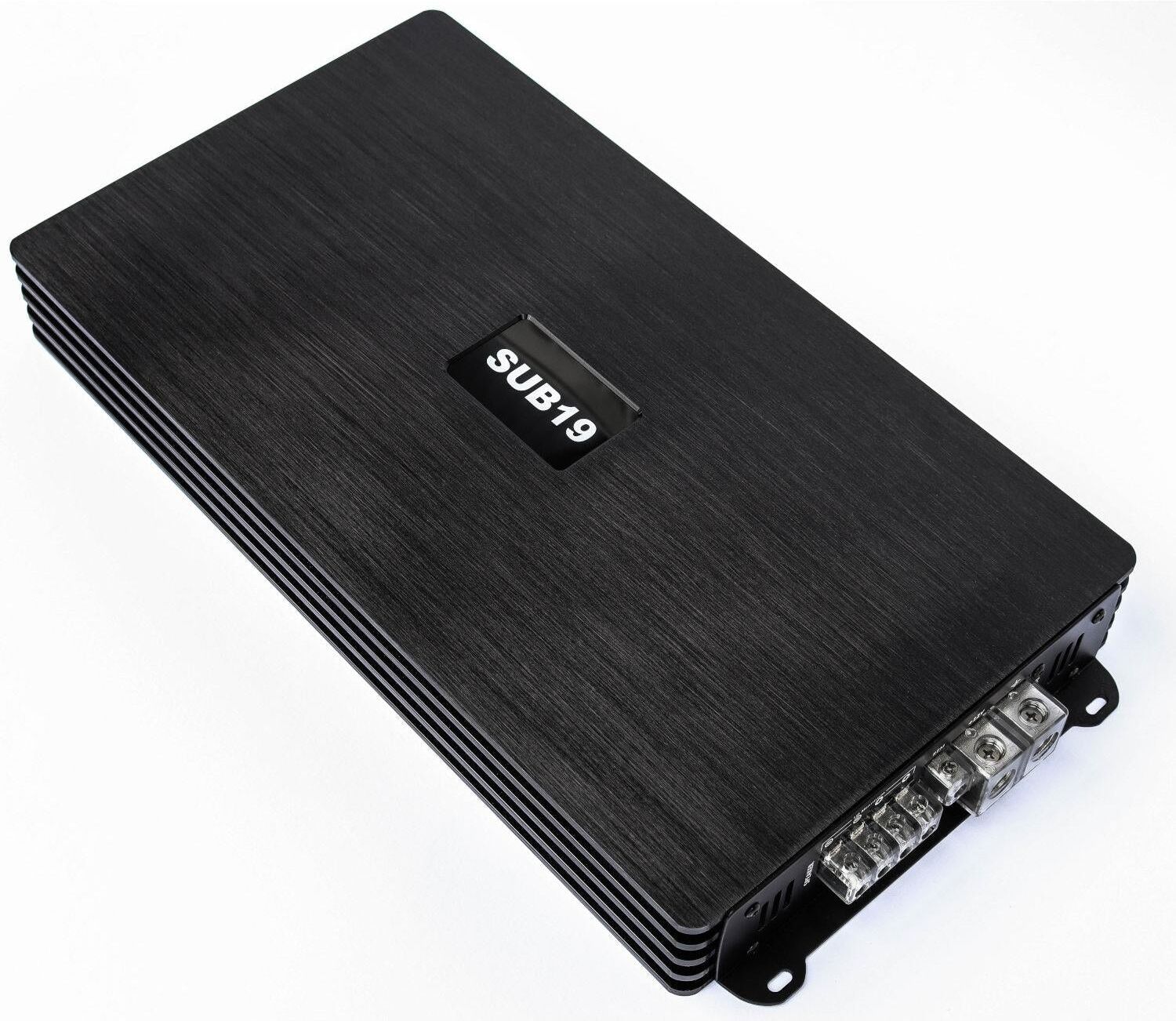
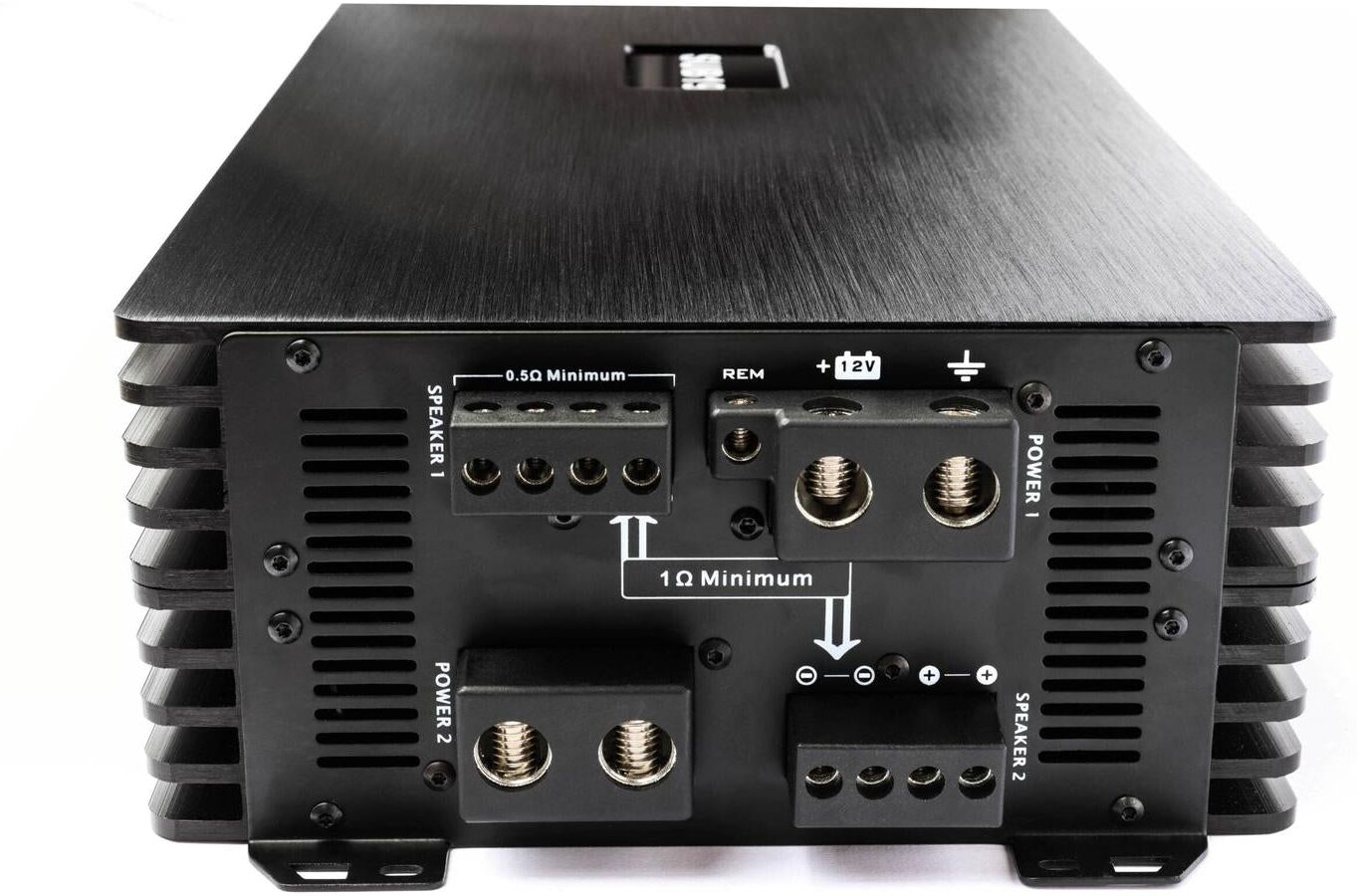
SUB19 SN A 6.5The SN A 6.5 from SUB19 is a 1-Channel Class-D Amplifier with a minimum impedance of 1 Ohm. The RMS power reaches up to 7500 Watts at 1 Ohm considering 5 percent THD+N at 14.4 Volts. The housing is made of a solid aluminum extrusion with dimensions of 228 mm width, 104 mm height, and 502 mm length. The frequency range extends from 13 Hz to 225 Hz with a drop of 3 dB. Features include a low-pass filter from 35 Hz to 225 Hz and a high-pass filter from 14 Hz to 60 Hz, each with a slope of 24 dB per octave. An adjustable bass boost between 30 Hz and 80 Hz allows for a gain of 0 dB to 12 dB with an adjustable quality factor. The operating voltage ranges from 8.6 Volts to 16.2 Volts. Features 1-Channel Amplifier Class-D Technology Solid aluminum extrusion Width: 228 mm Height: 104 mm Length: 502 mm Low-pass filter: 35 Hz – 225 Hz (24 dB/octave) High-pass filter: 14 Hz – 60 Hz (24 dB/octave) Bass boost: 30 Hz – 80 Hz (0 dB to 12 dB) Adjustable quality factor for bass boost Technical Specifications Power: 7500 W RMS at 1 Ohm (5% THD+N, 14.4 V) Power: 7000 W RMS at 1 Ohm (2% THD+N, 14.4 V) Power: 4200 W RMS at 2 Ohm (5% THD+N, 14.4 V) Power: 3800 W RMS at 2 Ohm (2% THD+N, 14.4 V) Power: 2850 W RMS at 4 Ohm (5% THD+N, 14.4 V) Power: 2620 W RMS at 4 Ohm (2% THD+N, 14.4 V) Frequency response: 18 Hz – 175 Hz (-1 dB) Frequency response: 13 Hz – 225 Hz (-3 dB) Efficiency: 88 % at 4 Ohm (at THD+N = 1%) Input sensitivity: 0.2 V – 5 V Signal-to-noise ratio: > 75 dB THD+N: 0.48 % (at 250 W at 4 Ohm) Operating voltage: 8.6 V – 16.2 V1312,75 €*Shipping: 0,00 €Secure redirect to the provider
-
TAPE A L'OEIL CasquetteDétails produit • Imprimé floral • Broderie sur le devant • Patte de réglage à l'arrière Composition et Entretien • 100% coton • Pour l'entretien, merci de vous référer aux indications figurant sur l'étiquette du produit6,99 €*Shipping: 3,99 €Secure redirect to the provider



-
What are the learning levels in mathematics for the R9 class?
In the R9 class, students are typically expected to have a solid understanding of foundational mathematical concepts such as addition, subtraction, multiplication, and division. They are also expected to have a good grasp of fractions, decimals, and percentages. Additionally, students at this level are usually introduced to more advanced topics such as algebra, geometry, and basic statistics. Overall, the learning levels in mathematics for the R9 class focus on building a strong mathematical foundation while also introducing more complex mathematical concepts. **
-
Are trophic levels and trophic levels the same in biology?
No, trophic levels and trophic levels are not the same in biology. Trophic levels refer to the hierarchical levels in an ecosystem based on an organism's position in the food chain, such as producers, primary consumers, secondary consumers, etc. On the other hand, trophic cascades are the indirect effects that occur when a change in one trophic level impacts other trophic levels in the ecosystem. Both concepts are important in understanding the dynamics of energy flow and interactions within ecosystems. **
-
What is the difference between iron levels and ferritin levels?
Iron levels refer to the amount of iron circulating in the blood, which can fluctuate throughout the day. Ferritin levels, on the other hand, reflect the amount of iron stored in the body for future use. Ferritin is a protein that stores iron and releases it in a controlled manner when needed. Monitoring both iron and ferritin levels is important in assessing overall iron status and diagnosing conditions such as iron deficiency anemia. **
-
Are trophic levels and trophic levels the same thing in biology?
No, "trophic levels" and "trophic levels" are not the same thing in biology. "Trophic levels" refer to the hierarchical levels in an ecosystem based on an organism's position in the food chain, such as producers, primary consumers, secondary consumers, and so on. On the other hand, "trophic levels" appears to be a typographical error or a repetition of the term "trophic levels." In biology, it is important to use accurate and specific terminology to avoid confusion and miscommunication. **


Can you take A-Levels in Germany?
No, A-Levels are a qualification specific to the United Kingdom and some international schools. In Germany, the equivalent qualification is the Abitur, which is obtained after completing the Gymnasium education. The Abitur is a prerequisite for university admission in Germany, similar to A-Levels in the UK. Therefore, students in Germany would not typically take A-Levels as part of their education. **
What is a question about scale levels?
A question about scale levels could be: How do different scale levels, such as individual, community, and global, impact the effectiveness of environmental conservation efforts? This question explores how the size and scope of different levels of analysis can influence the outcomes and success of conservation initiatives. By considering the interactions and dynamics between these scale levels, researchers and practitioners can develop more comprehensive and sustainable strategies for protecting the environment. **
Top-Angebote
Products related to A-levels:
-
SUB19 SN A 0.8The SN A 0.8 from SUB19 is a 1-Channel Class-D Amplifier with a minimum impedance of 1 Ohm. The housing is made of solid, black brushed aluminum and features metal terminals as well as metal adjustment screws. The maximum power is 870 W RMS at 1 Ohm and 14.4 V. The equipment includes a continuously adjustable bass boost in the range of 30 Hz to 80 Hz with an amplification of up to 12 dB. The dimensions of the device are 228 mm x 53 mm x 280 mm. Features 1-Channel Amplifier Housing made of solid, black brushed aluminum Terminals and adjustment screws made of metal Power RMS 1 Ohm: 870 W (5% THD+N, 14.4 V) Power RMS 1 Ohm: 800 W (1% THD+N, 14.4 V) Power RMS 2 Ohm: 600 W (5% THD+N, 14.4 V) Power RMS 2 Ohm: 550 W (1% THD+N, 14.4 V) Power RMS 4 Ohm: 360 W (5% THD+N, 14.4 V) Power RMS 4 Ohm: 320 W (1% THD+N, 14.4 V) Width: 228 mm Height: 53 mm Length: 280 mm Technical Specifications Frequency response: 18 Hz – 175 Hz (-1 dB) Frequency response: 13 Hz – 225 Hz (-3 dB) Low-pass filter: 35 Hz – 225 Hz (24 dB/Octave) High-pass filter: 14 Hz – 60 Hz (24 dB/Octave) Bass boost: 30 Hz – 80 Hz (0 dB to 12 dB gain) Efficiency: 88 % (4 Ohm at THD+N = 1%) Input sensitivity: 0.2 V – 5 V Signal-to-noise ratio: greater than 75 dB THD+N: 0.17 % at 98 W at 4 Ohm Operating voltage: 8.6 V – 16.2 V162,18 €*Shipping: 0,00 €Secure redirect to the provider
-
SUB19 SN A 1.8The SN A 1.8 from SUB19 is a 1-Channel Amplifier with a minimum impedance of 1 Ohm. The device is housed in a brushed black aluminum case and has dimensions of 228 mm x 53 mm x 393 mm. The RMS power reaches up to 1800 Watts at 1 Ohm with 1 percent THD+N and 14.4 Volts. Technical features include a continuously adjustable bass boost between 30 Hz and 80 Hz as well as an adjustable quality factor. A switchable clip limiter and a clipping indicator are integrated into the system. The frequency response covers the range from 18 Hz to 175 Hz. Features 1-Channel Amplifier Brushed black aluminum case Power: 2000 Watts RMS at 1 Ohm (5 percent THD+N, 14.4 V) Power: 1800 Watts RMS at 1 Ohm (1 percent THD+N, 14.4 V) Power: 1350 Watts RMS at 2 Ohm (5 percent THD+N, 14.4 V) Power: 1160 Watts RMS at 2 Ohm (1 percent THD+N, 14.4 V) Power: 780 Watts RMS at 4 Ohm (5 percent THD+N, 14.4 V) Power: 660 Watts RMS at 4 Ohm (1 percent THD+N, 14.4 V) Dimensions: 228 mm x 53 mm x 393 mm Clipping indicator and switchable clip limiter Continuously adjustable level and mid-frequency settings Technical Specifications Frequency response: 18 Hz – 175 Hz (-1 dB) Low-pass filter: 35 Hz – 225 Hz (24 dB/Octave) High-pass filter: 14 Hz – 60 Hz (24 dB/Octave) Bass boost: 30 Hz – 80 Hz (0 dB to 12 dB gain) Efficiency at 4 Ohm: 89.6 percent (THD+N = 1 percent) Input sensitivity: 0.2 V – 5 V Signal-to-noise ratio: greater than 75 dB THD+N: 0.165 percent at 375 W at 4 Ohm Operating voltage: 8.6 V – 16.2 V361,49 €*Shipping: 0,00 €Secure redirect to the provider
-
SUB19 SN A 6.5The SN A 6.5 from SUB19 is a 1-Channel Class-D Amplifier with a minimum impedance of 1 Ohm. The RMS power reaches up to 7500 Watts at 1 Ohm considering 5 percent THD+N at 14.4 Volts. The housing is made of a solid aluminum extrusion with dimensions of 228 mm width, 104 mm height, and 502 mm length. The frequency range extends from 13 Hz to 225 Hz with a drop of 3 dB. Features include a low-pass filter from 35 Hz to 225 Hz and a high-pass filter from 14 Hz to 60 Hz, each with a slope of 24 dB per octave. An adjustable bass boost between 30 Hz and 80 Hz allows for a gain of 0 dB to 12 dB with an adjustable quality factor. The operating voltage ranges from 8.6 Volts to 16.2 Volts. Features 1-Channel Amplifier Class-D Technology Solid aluminum extrusion Width: 228 mm Height: 104 mm Length: 502 mm Low-pass filter: 35 Hz – 225 Hz (24 dB/octave) High-pass filter: 14 Hz – 60 Hz (24 dB/octave) Bass boost: 30 Hz – 80 Hz (0 dB to 12 dB) Adjustable quality factor for bass boost Technical Specifications Power: 7500 W RMS at 1 Ohm (5% THD+N, 14.4 V) Power: 7000 W RMS at 1 Ohm (2% THD+N, 14.4 V) Power: 4200 W RMS at 2 Ohm (5% THD+N, 14.4 V) Power: 3800 W RMS at 2 Ohm (2% THD+N, 14.4 V) Power: 2850 W RMS at 4 Ohm (5% THD+N, 14.4 V) Power: 2620 W RMS at 4 Ohm (2% THD+N, 14.4 V) Frequency response: 18 Hz – 175 Hz (-1 dB) Frequency response: 13 Hz – 225 Hz (-3 dB) Efficiency: 88 % at 4 Ohm (at THD+N = 1%) Input sensitivity: 0.2 V – 5 V Signal-to-noise ratio: > 75 dB THD+N: 0.48 % (at 250 W at 4 Ohm) Operating voltage: 8.6 V – 16.2 V1312,75 €*Shipping: 0,00 €Secure redirect to the provider
-
TAPE A L'OEIL CasquetteDétails produit • Imprimé floral • Broderie sur le devant • Patte de réglage à l'arrière Composition et Entretien • 100% coton • Pour l'entretien, merci de vous référer aux indications figurant sur l'étiquette du produit6,99 €*Shipping: 3,99 €Secure redirect to the provider
-
What are the learning levels in mathematics for class R9?
In mathematics for class R9, students typically learn about a variety of topics including algebra, geometry, statistics, and probability. They are expected to have a solid understanding of basic arithmetic operations, fractions, decimals, and percentages. Students also begin to explore more complex concepts such as solving equations, working with geometric shapes, and interpreting data. Overall, the learning levels in mathematics for class R9 focus on building a strong foundation in mathematical concepts and problem-solving skills to prepare students for more advanced math courses in the future. **
-
Can a diabetologist take thyroid levels?
Yes, a diabetologist can take thyroid levels. While a diabetologist specializes in the treatment of diabetes, they are also trained to manage other endocrine disorders, including thyroid conditions. Diabetologists often have expertise in interpreting thyroid function tests and can use this information to provide comprehensive care for their patients with diabetes and thyroid disorders. If necessary, a diabetologist may also collaborate with an endocrinologist or other specialists for further evaluation and management of thyroid conditions. **
-
What are the learning levels in mathematics for the R9 class?
In the R9 class, students are typically expected to have a solid understanding of foundational mathematical concepts such as addition, subtraction, multiplication, and division. They are also expected to have a good grasp of fractions, decimals, and percentages. Additionally, students at this level are usually introduced to more advanced topics such as algebra, geometry, and basic statistics. Overall, the learning levels in mathematics for the R9 class focus on building a strong mathematical foundation while also introducing more complex mathematical concepts. **
-
Are trophic levels and trophic levels the same in biology?
No, trophic levels and trophic levels are not the same in biology. Trophic levels refer to the hierarchical levels in an ecosystem based on an organism's position in the food chain, such as producers, primary consumers, secondary consumers, etc. On the other hand, trophic cascades are the indirect effects that occur when a change in one trophic level impacts other trophic levels in the ecosystem. Both concepts are important in understanding the dynamics of energy flow and interactions within ecosystems. **
Similar search terms for A-levels
-
What is the difference between iron levels and ferritin levels?
Iron levels refer to the amount of iron circulating in the blood, which can fluctuate throughout the day. Ferritin levels, on the other hand, reflect the amount of iron stored in the body for future use. Ferritin is a protein that stores iron and releases it in a controlled manner when needed. Monitoring both iron and ferritin levels is important in assessing overall iron status and diagnosing conditions such as iron deficiency anemia. **
-
Are trophic levels and trophic levels the same thing in biology?
No, "trophic levels" and "trophic levels" are not the same thing in biology. "Trophic levels" refer to the hierarchical levels in an ecosystem based on an organism's position in the food chain, such as producers, primary consumers, secondary consumers, and so on. On the other hand, "trophic levels" appears to be a typographical error or a repetition of the term "trophic levels." In biology, it is important to use accurate and specific terminology to avoid confusion and miscommunication. **
-
Can you take A-Levels in Germany?
No, A-Levels are a qualification specific to the United Kingdom and some international schools. In Germany, the equivalent qualification is the Abitur, which is obtained after completing the Gymnasium education. The Abitur is a prerequisite for university admission in Germany, similar to A-Levels in the UK. Therefore, students in Germany would not typically take A-Levels as part of their education. **
-
What is a question about scale levels?
A question about scale levels could be: How do different scale levels, such as individual, community, and global, impact the effectiveness of environmental conservation efforts? This question explores how the size and scope of different levels of analysis can influence the outcomes and success of conservation initiatives. By considering the interactions and dynamics between these scale levels, researchers and practitioners can develop more comprehensive and sustainable strategies for protecting the environment. **
* All prices are inclusive of VAT and, if applicable, plus shipping costs. The offer information is based on the details provided by the respective shop and is updated through automated processes. Real-time updates do not occur, so deviations can occur in individual cases. ** Note: Parts of this content were created by AI.